Context
In a new neuroscience breakthrough, researchers have identified for the first time that dysfunction in dopamine signalling within the entorhinal cortex—a key brain region involved in memory processing—can directly disrupt the formation of new memories.
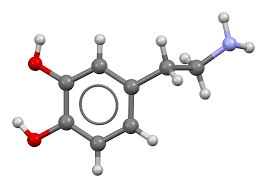
About Dopamine
- Dopamine is a chemical produced by the body that functions as both a neurotransmitter in the brain and a hormone-like messenger in other tissues.
- It plays a key role in motivation, helping with focus, planning, and maintaining interest in tasks or goals.
- In the nervous system, it transmits signals between nerve cells and connects the brain with different parts of the body.
- Dopamine is involved in functions such as:
- sleep regulation
- learning and attention
- control of voluntary movement
- mood and emotional balance
- heart rate regulation
- pain perception
- kidney function and fluid balance
- blood vessel activity
- lactation
- It is released not only when a reward is received but also when one is expected, reinforcing behaviors and habits.
- Outside the brain, it helps regulate processes like:
- insulin secretion
- sodium levels and urine production
- constriction and relaxation of blood vessels
- slowing certain digestive processes
- Dopamine is closely tied to the brain’s reward system and influences how pleasure and reinforcement are experienced.
- Abnormal levels of dopamine are linked to conditions such as Parkinson’s disease, restless legs syndrome, and attention deficit hyperactivity disorder (ADHD).
- Even anticipating something enjoyable can increase dopamine levels.
- This chemical is found not only in humans but also in many animals, including both vertebrates and invertebrates, where it serves similar roles.