Context
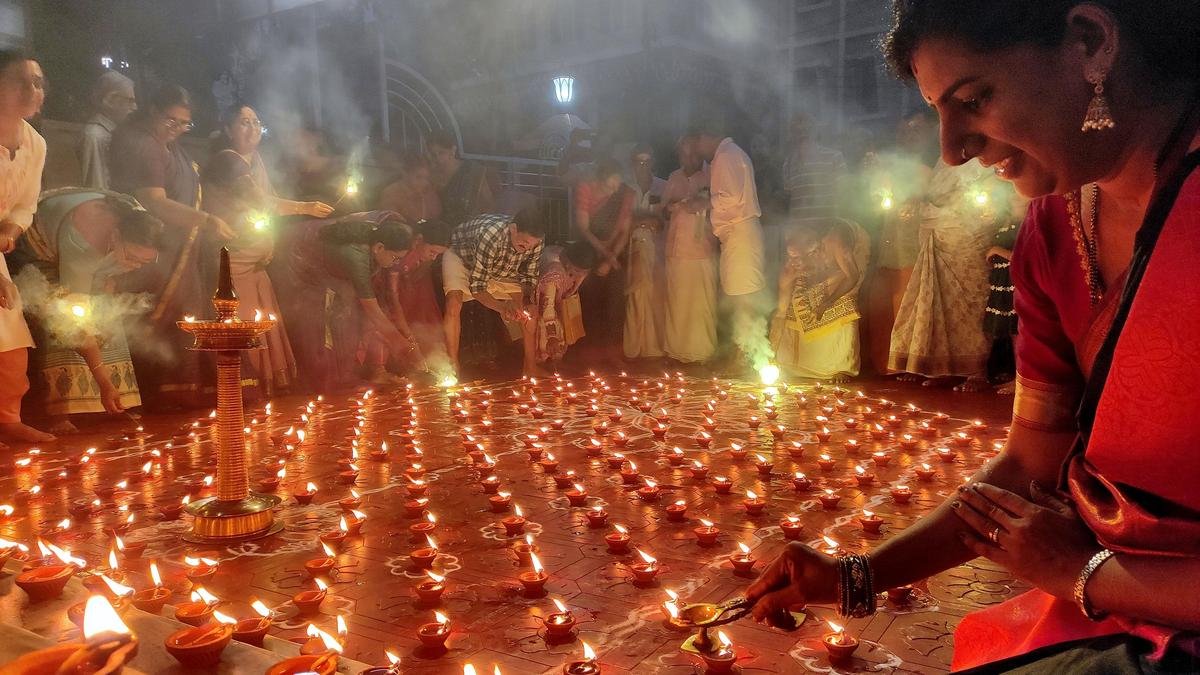
UNESCO has inscribed “Deepavali, the festival of light” on its Representative List of the Intangible Cultural Heritage of Humanity (2025). This makes Diwali the 16th Indian element on the list. The decision was finalized during UNESCO’s 20th Session held at the Red Fort in December 2025.
What Is UNESCO’s Intangible Cultural Heritage List?
- The Intangible Cultural Heritage (ICH) list recognises living cultural traditions, not monuments or physical sites.
- It includes practices passed down over generations in five broad domains:
- Oral traditions
- Performing arts
- Social practices, rituals, festivals
- Knowledge of nature and the universe
- Traditional craftsmanship
- Examples include India’s Vedic chanting, Ramlila, Yoga, Garba dance, Kumbh Mela, and global examples such as French baguette-making.
- To qualify, a tradition must be:
- Community-based
- Representative of cultural identity
- Inclusive and transmitted across generations
- ICH also identifies practices that are at risk and need urgent safeguarding, such as pottery traditions from Vietnam and Chile.
Why Does This Recognition Matter?
- It preserves and promotes living cultural practices at a time when globalisation can weaken local traditions.
- It emphasises cultural diversity and shared heritage, which strengthens community identity.
- It supports safeguarding measures, ensuring traditions remain alive for future generations.
- It enhances India’s cultural diplomacy and visibility on a global stage.
How the Nomination and Inscription Process Works?
- Countries submit nominations which must show that the cultural practice is alive, community-supported, and safeguarded.
- The Intergovernmental Committee evaluates nominations under the 2003 Convention.
- Once approved, UNESCO provides guidance, promotes best practices, and can mobilise financial support for protection.
- For 2025, Diwali was chosen. For next year, India has nominated Bihar’s Chhath Puja.
Implications for Diwali
- Cultural Significance and Safeguarding
- The inscription raises global awareness about Diwali’s traditions—light, community bonding, rituals, craftsmanship, and storytelling.
- It encourages governments and communities to protect rituals, artisanal work, traditional crafts, and local knowledge linked to the festival.
- Impact on the Indian Diaspora
- Recognition strengthens cultural identity among the global Indian community.
- It supports cultural exchange programmes and international celebrations.
- Economic and Tourism Impact
- Higher global visibility can boost tourism, especially around festival seasons.
- Artisans who produce lamps, rangoli materials, idols, sweets, textiles, and festival crafts may receive better recognition and sustainable income opportunities.
Challenges and Way Forward
| Challenges | Way Forward |
| Risk of commercialisation overshadowing cultural value | Promote community-led celebrations and safeguard core rituals |
| Loss of traditional knowledge among younger generations | Strengthen local training, workshops, and documentation |
| Uniform festival formats due to globalisation | Encourage regional diversity and local variations of Diwali |
| Limited awareness of UNESCO safeguards | Launch campaigns explaining benefits and responsibilities under ICH |
Conclusion
Diwali’s UNESCO recognition strengthens India’s cultural heritage on the world stage, promotes safeguarding of rituals and craftsmanship, and supports cultural identity at home and abroad. With community participation and proper safeguarding, the festival’s rich traditions will continue to thrive globally.
| Ensure IAS Mains Question
Q. Discuss the significance of UNESCO’s Intangible Cultural Heritage (ICH) recognition for festivals like Diwali. How does such recognition contribute to cultural preservation, tourism, and India’s soft power? (250 words) |
| Ensure IAS Prelims Question
Q. Consider the following statements regarding UNESCO’s Intangible Cultural Heritage (ICH) list: 1. It includes living traditions, rituals, and craftsmanship rather than physical monuments. 2. India currently has more than 15 cultural elements inscribed on the Representative ICH List. 3. To be inscribed, a cultural practice must be community-based and transmitted across generations. Which of the above statements are correct? a) 1 and 2 only b) 2 and 3 only c) 1 and 3 only d) 1, 2 and 3 Answer: d) 1, 2 and 3 Explanation: Statement 1 is correct: The ICH list recognises living cultural expressions – rituals, festivals, skills, and performing arts – rather than monuments or archaeological sites, focusing on traditions actively practised by communities. Statement 2 is correct: With Diwali added to the Representative List, India now has 16 inscribed elements, including Yoga, Garba, Durga Puja and Kumbh Mela, reflecting its diverse intangible heritage. Statement 3 is correct: UNESCO requires nominated practices to be community- driven, inclusive and passed down through generations, ensuring they remain active and culturally meaningful. |