Why in the News?
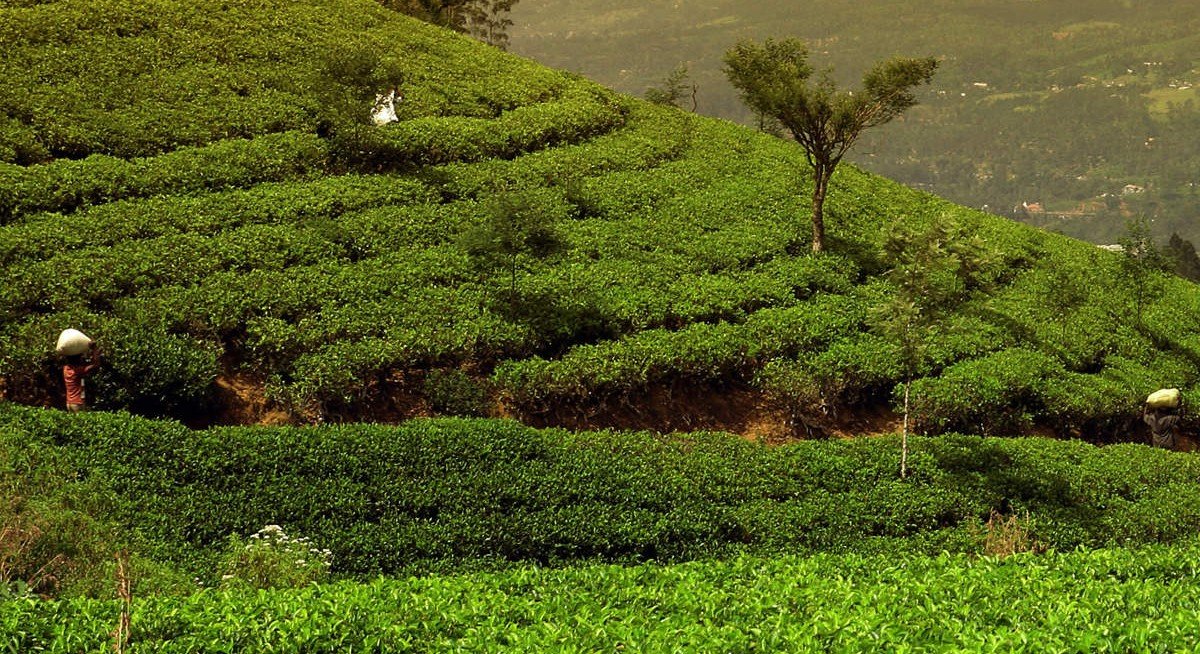
- Rising temperatures, delayed rainfall, and erratic monsoons are severely affecting Assam’s tea-growing regions.
- A new study (Tea Research Association + Ethical Tea Partnership) using Intergovernmental Panel on Climate Change (IPCC) climate models warns that major tea zones may lose suitability by 2050.
- Tea yields, quality, prices, and livelihoods of over 12 lakh workers are increasingly under threat.
Key Highlights
- Assam’s Changing Climate
- Seasonal patterns (cool winters, clear post-monsoon months) are disappearing.
- Persistent heat, muggy weather, and delayed monsoons now extend into November.
- Tea growers report wilting bushes, blackened leaves, and unpredictable flush cycles.
- Narrow Climatic Requirements of Tea
- Ideal temperature: 13–28°C, optimum: 23–25°C.
- Required rainfall: 1,500–2,500 mm annually, evenly distributed.
- Prefers slightly acidic, organic-rich soils — once abundant across the Brahmaputra Valley.
- Climate change is shifting all these thresholds, stressing tea plants.
- Scientific Evidence from Climate Models
- The study used 50 years of data, IPCC’s RCP 2.6 and 4.5, and MaxEnt models.
- Findings:
- Minimum temperature has risen 1°C in 90 years.
- Annual rainfall reduced by 200 mm.
- Future: cold-season rainfall decreases; monsoon rains become erratic.
- Currently “very suitable” tea regions (Upper Assam, South Bank, Cachar) will lose suitability by 2050.
- Tea cultivation may shift to higher altitudes (Karbi Anglong, Dima Hasao).
- Economic Stress for Growers
- Climate impacts worsen, but tea prices remain stagnant.
- Auction prices increased only 4.8% annually, compared to 10% for staples like wheat and rice.
- Rising costs: labour, chemicals, energy, irrigation.
- Many estates cannot afford replantation or climate-resilient technology.
- New Pest and Disease Patterns
- Extreme heat (>35°C) reduces nutrient absorption.
- Stressed plants become more pest-prone.
- Unlike crop farmers elsewhere, tea growers receive very limited government support during heat or drought.
Implications
- Declining Tea Yield and Quality: Assam’s global brand value (flavour, aroma) depends on climate rhythms; disruptions threaten competitiveness.
- Economic Vulnerability: Stagnant prices + rising input costs push plantations towards financial stress.
- Risk to Livelihoods: Over 12 lakh workers, many from tea tribes, face job insecurity, lower wages, and worsening working conditions.
- Shift in Tea Geography: Lower and mid-altitude regions may become unsuitable; production may move to hills.
- Political Significance: With elections in 2026, the distress of tea tribes may become a major political issue.
Challenges and Way Forward
| Challenges | Way Forward |
| Rising temperatures and irregular rainfall affecting tea physiology | Develop and plant climate-resilient tea varieties with deeper roots and heat tolerance |
| Declining soil moisture and increased drought | Promote mulching, cover crops, organic compost, and soil conservation |
| Erratic monsoon causing droughts/floods | Adopt micro-irrigation, rainwater harvesting, improved drainage |
| Increased pest and disease outbreaks | Use integrated pest management, shade trees, mixed cropping |
| Poor market returns and stagnant prices | Support direct-to-consumer models, premiumisation, organic tea markets |
| Limited support for tea growers | Provide crop insurance, subsidies, and extension services |
| Small growers lack technical knowledge | Expand trustea, Sustainable Tea Code, and training programmes |
| Overdependence on tea income | Encourage diversification—spices, fruits, livestock, tourism |
Conclusion
Assam’s tea industry must rapidly adopt climate-resilient varieties, better water and soil practices, diversified livelihoods, and stronger policy support to withstand warming trends and secure sustainable growth for farmers and workers.
| EnsureIAS Mains Question
Q. Climate change poses a serious threat to the tea plantations of Assam. Discuss the ecological, economic, and social implications, and suggest a long-term adaptation strategy. (250 words) |
| EnsureIAS Prelims Question
Q. Consider the following statements about tea cultivation in Assam: 1. Tea requires annual rainfall between 1,500–2,500 mm distributed evenly. 2. Tea grows best in alkaline soils rich in calcium. 3. Rising night-time temperatures can affect tea yield and flavour. 4. Assam’s tea-growing regions may shift to higher altitudes due to climate change. Which of the above statements are correct? A. 1, 3 and 4 only Answer: A Explanation: Statement 1 is correct: Tea requires evenly distributed rainfall of 1500–2500 mm. Statement 2 is incorrect: Tea prefers slightly acidic soils (pH 4.5–5.5), not alkaline. Statement 3 is correct: Rising night temperatures affect nutrient absorption and flavour compounds. Statement 4 is correct: Climate models predict a shift toward hills like Karbi Anglong and Dima Hasao. |
|
Also Read |
|
| UPSC Foundation Course | UPSC Daily Current Affairs |
| UPSC Monthly Magazine | CSAT Foundation Course |
| Free MCQs for UPSC Prelims | UPSC Test Series |
| Best IAS Coaching in Delhi | Our Booklist |