Context
Chhath Puja, a major festival in Bihar, eastern Uttar Pradesh, Jharkhand and Nepal, witnessed lakhs of devotees offering prayers to the setting and rising Sun. The celebration reflects India’s deep-rooted traditions of nature worship, communal harmony, cleanliness and gender inclusivity.
About Chhath Puja
- Nature of the Festival: A four-day festival dedicated to worshipping the Sun God (Surya) and Chhathi Maiya, believed to be the Sun’s sister.
- Timing: Celebrated six days from Diwali (Kartik Shukla Shashthi) and, in some regions, in April as Chaiti Chhath.
- Regions: Predominantly observed in Bihar, eastern UP, Jharkhand, and among the Purvanchali diaspora across India and abroad.
- Deity: Chhathi Maiya, daughter of Rishi Kashyap and Aditi, and wife of Lord Kartikeya, symbolises fertility and protection.
Cultural and Religious Significance
- Ancient Roots: References in the Rig Veda, Ramayana, and Mahabharata link the festival to Sun worship by Sita, Draupadi, and Karna.
- Eco-spiritual Aspect: Symbolises gratitude to the Sun for sustaining life and aligns with sustainable, nature-based worship practices.
- Social Inclusivity: No priestly hierarchy; anyone, irrespective of caste or class, can perform the rituals.
- Collective Spirit: Promotes community participation — cleaning ghats, preparing prasad (thekua), and ensuring smooth celebration.
Ritual Process
| Day | Description |
| Day 1: Naha Kha | Devotees take a holy dip in rivers/ponds and eat a single, pure meal prepared on a clay stove (chulha). |
| Day 2: Kharna | A single meal of kheer and roti is consumed in the evening before beginning a 36-hour fast without water. |
| Day 3: Sandhya Arghya | Offerings are made to the setting Sun (Pratyusha) at riverbanks or temporary pools, symbolising gratitude. |
| Day 4: Bhor ka Arghya | Devotees offer prayers to the rising Sun (Usha), marking the conclusion of the fast and celebration of life’s cycle. |
What Makes Chhath Unique
- Direct Devotion: No intermediary priests; direct worship of the visible Sun.
- Equality in Faith: Uniform rituals for all devotees regardless of social status.
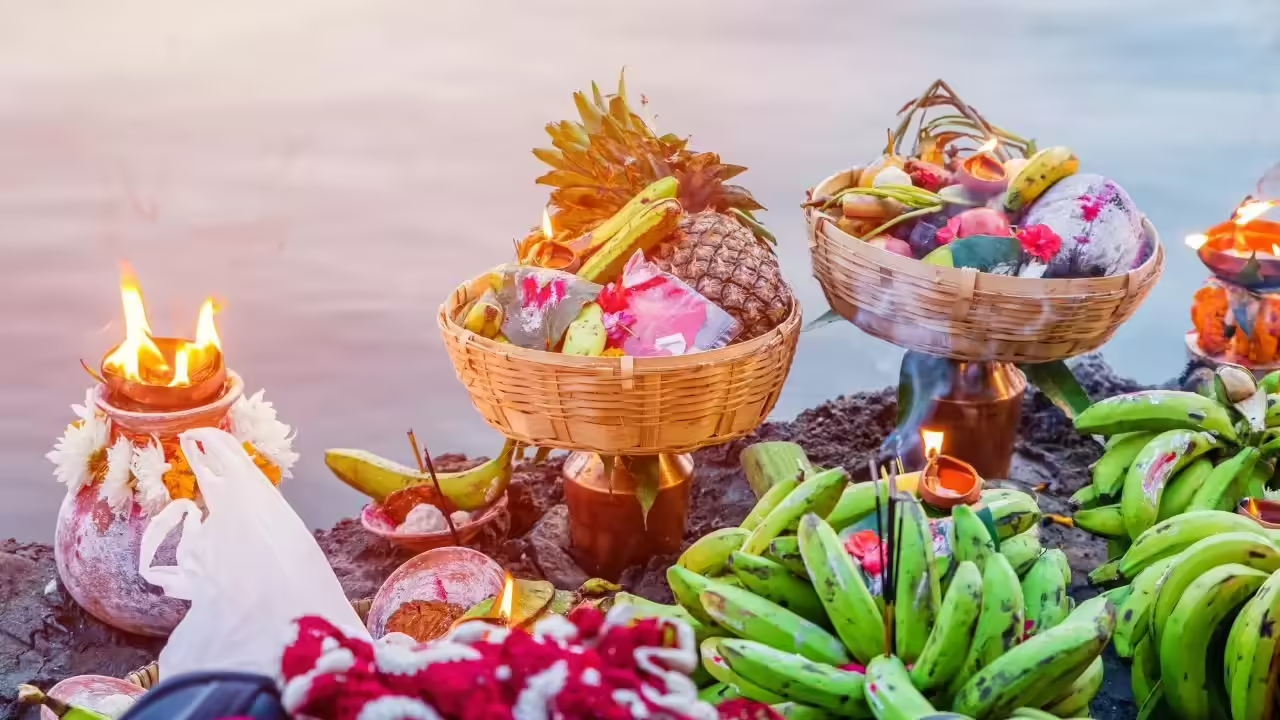
- Eco-Cultural Ethos: Use of natural offerings, seasonal fruits, sugarcane, diyas and rangolis encourages sustainability.
- Community Cohesion: It shows how people from Purvanchal stay connected through their shared culture and traditions, even when they migrate to other parts of India or abroad.
- Spiritual Philosophy: Emphasises balance between dusk and dawn, symbolising renewal and hope.
Challenges and Way Forward
| Challenges | Way Forward |
| Polluted Water Bodies: Rituals often occur in contaminated rivers and ponds. | Strengthen local administration’s role in cleaning ghats and ensuring safe water quality before the festival. |
| Urban Constraints: Migrants in cities lack access to natural water bodies for rituals. | Promote community ghats and temporary eco-friendly ponds in urban areas. |
| Commercialisation & Media Sensationalism: Focus often shifts from devotion to display. | Reinforce cultural awareness campaigns about the festival’s values and simplicity. |
| Environmental Pressure: Excessive use of plastics and non-biodegradable materials. | Encourage eco-friendly offerings and bamboo/cane baskets through local regulations. |
| Legal and Constitutional Aspects: Managing public gatherings must align with safety, public order, and environmental laws. | Implement guidelines under Articles 25-26 (freedom of religion) balanced with environmental protection laws. |
Conclusion
Chhath Puja exemplifies India’s ancient connection with nature and its inclusive social fabric. Beyond ritualistic devotion, it embodies sustainability, equality, and reverence for life’s cyclical balance, offering valuable lessons for modern society navigating environmental and cultural change.
| Ensure IAS Mains Question
Q. Chhath Puja represents the deep intertwining of ecological balance, social equality, and spiritual discipline in Indian culture. Discuss. (250 words) |
| Ensure IAS Prelims Question
Q. Consider the following statements regarding Chhath Puja: 1. It is a four-day festival dedicated to the worship of the Sun God and Chhathi Maiya. 2. It is celebrated primarily during the month of Kartik, six days after Diwali. 3. The rituals involve offerings to both the rising and setting Sun. Which of the above statements are correct? a) 1 and 2 only b) 2 and 3 only c) 1 and 3 only d) 1, 2 and 3 Answer: d) 1, 2 and 3 Explanation: Statement 1 is correct: Chhath Puja honours both the Sun God and his sister, Chhathi Maiya. Statement 2 is correct: It falls on the sixth day of the waxing moon fortnight of Kartik, after Diwali. Statement 3 is correct: Offerings (Arghya) are made to both the setting and rising Sun, symbolising gratitude and renewal. |
|
Also Read |
|
| UPSC Foundation Course | UPSC Daily Current Affairs |
| UPSC Monthly Magazine | CSAT Foundation Course |
| Free MCQs for UPSC Prelims | UPSC Test Series |
| Best IAS Coaching in Delhi | Our Booklist |