Context
A recent study has warned that more than one-third of Africa could be at risk from Cassava Brown Streak Disease (CBSD). The spread of this disease threatens cassava production, which is a crucial staple food crop for millions of people in Africa.
What is Cassava Brown Streak Disease?
- It is a highly destructive viral disease affecting cassava plants. It damages the roots (tubers) of the cassava plant. As a result, both crop yield and quality decline significantly. In severe cases, the disease can lead to complete crop loss.
- Causes of the Disease – 2 related viruses – Cassava Brown Streak Virus (CBSV) and Ugandan Cassava Brown Streak Virus (UCBSV).
- Geographic Spread
- The disease was first reported in the coastal regions of East Africa around the mid-20th century.
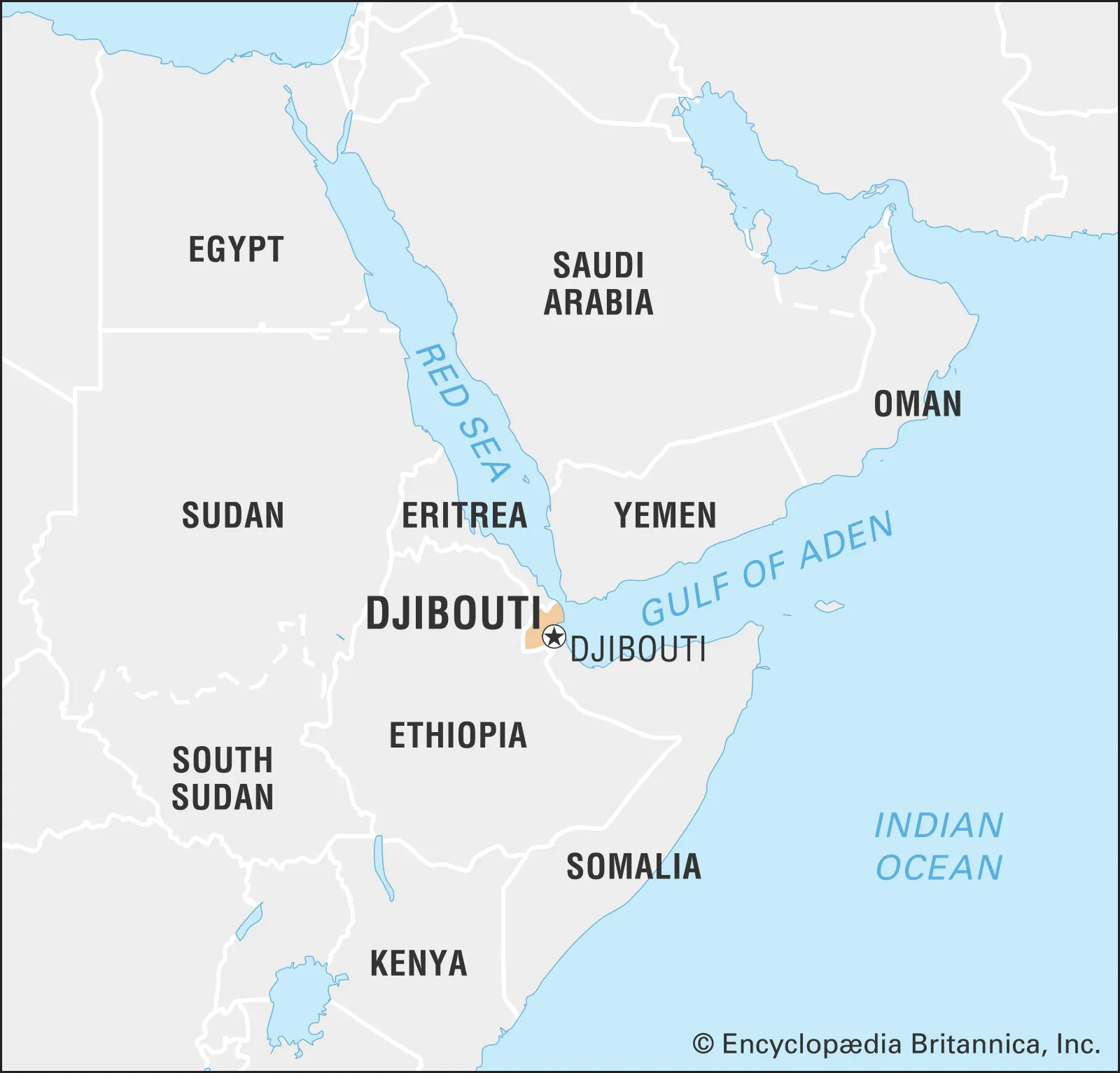
- Over time, the disease has expanded across several parts of Africa. It has now been confirmed in many countries, including Tanzania, Uganda, Kenya, Rwanda, Burundi, Democratic Republic of the Congo, South Sudan, Malawi and Zambia.
How the Disease Spreads
- The primary carrier of the virus is the Bemisia tabaci, commonly known as the whitefly. In this the two major groups responsible for spreading the disease are Sub-Saharan Africa 1 (SSA1) and Sub-Saharan Africa 2 (SSA2).
- These whiteflies transfer the virus while feeding on infected plants and then moving to healthy plants.
Symptoms of Cassava Brown Streak Disease
- CBSD symptoms can appear in leaves, stems, and roots of cassava plants.
- Leaf Symptoms: Chlorosis (yellowing of leaves)
- Stem Symptoms: Brown streaks visible along the stems
- Root Symptoms: Dry, hard rot inside the cassava roots. The roots develop necrotic tissues (dead tissue)
- Because cassava roots are the edible part of the plant, this damage directly reduces the quantity and quality of food production.
- In severe cases, the infection can cause complete crop failure.
Factors Accelerating the Spread
Several conditions can increase the spread of CBSD:
- Weak clean-seed systems (infected planting materials)
- Large populations of whiteflies
- Climate-related pressures, which may favour the spread of pests and viruses
Management and Control Measures
Effective control of Cassava Brown Streak Disease focuses mainly on prevention.
- Use of Clean Planting Material: Farmers should plant disease-free cassava cuttings.
- Resistant Varieties: Developing and using virus-resistant cassava varieties is considered the most sustainable long-term solution.
- Improving seed systems and monitoring pest populations can also help reduce the spread of the disease.
FAQs
Q1. What is Cassava Brown Streak Disease (CBSD)?
Cassava Brown Streak Disease is a viral disease affecting cassava plants, caused by Cassava Brown Streak Virus (CBSV) and Ugandan Cassava Brown Streak Virus (UCBSV). It damages cassava roots, leading to reduced yield, poor quality, and in severe cases, complete crop loss.
Q2. Where did Cassava Brown Streak Disease originate and how has it spread?
CBSD was first reported in East Africa’s coastal regions in the mid‑20th century. It has since spread to countries including Tanzania, Uganda, Kenya, Rwanda, Burundi, DR Congo, South Sudan, Malawi, and Zambia, threatening cassava production across Africa.
Q3. How does Cassava Brown Streak Disease spread?
The disease is primarily transmitted by the whitefly (Bemisia tabaci), especially groups SSA1 and SSA2. Whiteflies feed on infected plants and transfer the virus to healthy ones. Infected planting materials also accelerate its spread.
Q4. What are the symptoms of Cassava Brown Streak Disease?
- Leaves: Yellowing (chlorosis)
- Stems: Brown streaks along stems
- Roots: Dry, hard rot and necrotic tissues inside cassava tubers
Since cassava roots are the edible part, root damage directly reduces food availability.
Q5. How can farmers manage and control Cassava Brown Streak Disease?
Key strategies include:
- Planting clean, disease‑free cassava cuttings
- Developing and using virus‑resistant cassava varieties
- Strengthening seed systems and monitoring whitefly populations
These measures are crucial for preventing crop losses and ensuring food security.