| Important questions for UPSC Pre/ Mains/ Interview:
1. What is cadre allocation and why is it important in All India Services? 2. How did the earlier zonal system work and why was it criticised? 3. What is the new grouping-based cadre allocation structure? 4. What are the objectives of the revised cadre allocation policy? 5. How are vacancies determined under the new policy? 6. What changes have been made in insider–outsider allocation rules? 7. What is the rotational cycle system and why was it introduced? 8. Why is the revised cadre allocation policy significant for governance? 9. What are the challenges and the way forward? |
Context
The Union government has revised the cadre allocation policy for All India Services, replacing the zonal system with an alphabetical grouping framework to improve transparency, fairness, and national integration.
Q1. What is cadre allocation and why is it important in All India Services?
- Cadre allocation determines the State or Joint Cadre in which IAS, IPS, and IFoS officers serve.
- It is central to:
- National integration through inter-State exposure.
- Administrative neutrality by limiting regional and local biases.
- Federal balance by ensuring equitable officer distribution across States.
- Effective governance, as officers spend most of their careers within a single cadre.
Q2. How did the earlier zonal system work and why was it criticised?
- Under the 2017 policy, States were grouped into five geographical zones.
- Candidates ranked zones and then cadres within them.
- However:
- States flagged uneven officer distribution and cadre skewness.
- Aspirants raised concerns about opacity and rigidity.
- Geographical clustering often resulted in regional concentration, diluting the integration objective.
Q3. What is the new grouping-based cadre allocation structure?
- The revised policy replaces zones with four alphabetical groups of State and Joint Cadres.
- Cadres are evenly distributed across groups without geographical logic.
- This aims to standardise preferences, reduce discretion, and ensure wider inter-State exposure.
Q4. What are the objectives of the revised cadre allocation policy?
- The reform seeks to:
- Enhance transparency by removing subjective zonal preferences.
- Ensure fairer distribution of officers across States.
- Promote national integration, a core rationale of All India Services.
- Improve administrative efficiency through predictable allocation rules.
Q5. How are vacancies determined under the new policy?
- Vacancies are calculated annually based on cadre gaps as on January 1.
- IAS: Department of Personnel and Training.
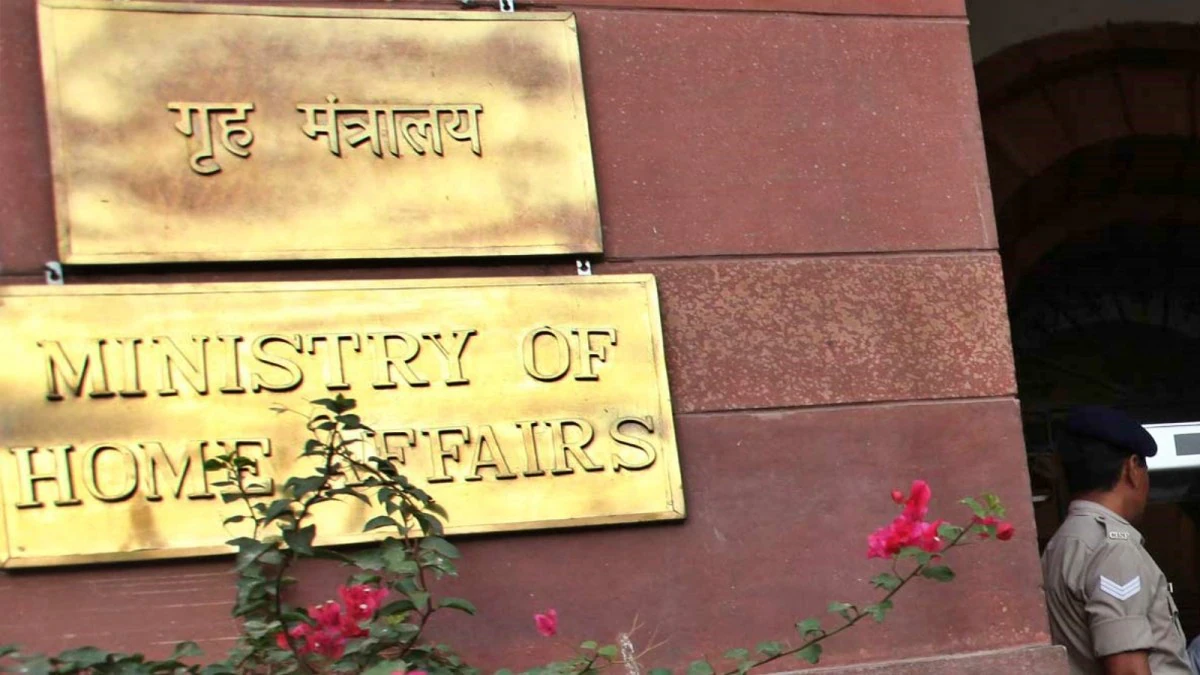
- IPS: Ministry of Home Affairs.
- IFoS: Ministry of Environment, Forest and Climate Change.
- States must submit vacancy requisitions by January 31, failing which they are excluded.
- Vacancy data will be publicly disclosed to ensure transparency.
Q6. What changes have been made in insider–outsider allocation rules?
- Insider allocation is strictly merit-based and subject to vacancy availability.
- Willingness to serve in the home State is now mandatory for insider eligibility.
- EWS vacancies are treated as part of the unreserved category for cadre allocation.
- These measures aim to limit discretion and reinforce equality in allocation.
Q7. What is the rotational cycle system and why was it introduced?
- A new rotational cycle of 25 candidates (equal to total cadres) has been introduced.
- Higher-ranked candidates in a cycle get priority.
- Unallocated candidates move to the next cycle.
- Outsider allocation follows insider placement, with priority for PwBD candidates.
- This system enhances objectivity, predictability, and uniformity.
Q8. Why is the revised cadre allocation policy significant for governance?
It is expected to:
- Reduce litigation and administrative grievances.
- Address long-standing State concerns, strengthening cooperative federalism.
- Improve officers’ exposure to diverse administrative environments.
- Align recruitment practices with governance efficiency and institutional credibility.
Q9. What are the challenges and the way forward?
- Challenges include:
- Resistance from States perceiving loss of influence.
- Adjustment concerns among aspirants accustomed to zonal preferences.
- Implementation consistency across services and years.
- Way forward requires:
- Continuous review of allocation outcomes.
- Transparent communication with States and candidates.
- Data-driven fine-tuning to balance equity, efficiency, and federal trust.
Conclusion
The revised cadre allocation policy strengthens transparency, integration, and federal balance. Its success will depend on fair implementation, stakeholder confidence, and sustained alignment with the constitutional ethos of All India Services.