Context
The Supreme Court of India is examining the current framework for certifying brain death and has sought expert advice from doctors at All India Institute of Medical Sciences. The review follows concerns that existing procedures may sometimes be misused, particularly in cases linked to organ donation. Questions have been raised about the subjectivity of tests like the apnea test and non-compliance with safeguards such as mandatory videography. There is also debate on whether advanced diagnostic tools like EEG and cerebral angiography should be included.
Understanding Brain Death
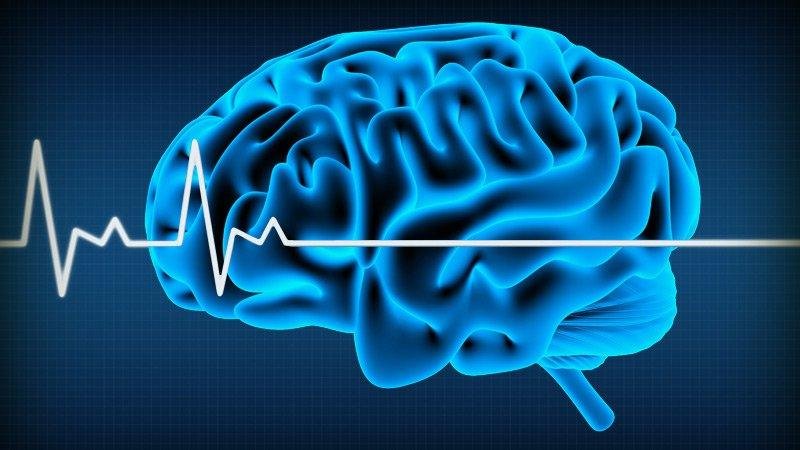
- Brain death, also referred to as brain stem death, is a permanent and irreversible loss of all brain functions, including those necessary for breathing.
- Even if machines maintain heartbeat and blood circulation, the individual is medically declared dead as recovery is not possible.
Causes and Clinical Background
- It generally occurs due to severe brain injuries caused by events such as road accidents, falls, or strokes.
- These conditions deprive the brain of oxygen, leading to irreversible damage.
Role in Organ Donation
- Brain-dead individuals are a key source for organ transplantation since vital organs remain functional with life support.
- Organs like the heart and lungs, which cannot be donated by living persons, can be retrieved in such cases.
- Although donations after circulatory death are possible, brain-dead donors remain the primary source.
Importance of Certification
- Formal declaration of brain death enables deceased organ donation, benefiting patients requiring transplants of organs such as kidneys, liver, heart, and eyes.
- It reduces dependence on living donors, who may face medical risks despite improved surgical safety.
Status of Organ Donation in India
- Despite a high number of deaths due to traumatic brain injuries and strokes annually, organ donation rates remain very low.
- India’s deceased organ donation rate is significantly below several countries, highlighting a gap between potential donors and actual donations.
Existing Certification Protocol in India
- As per National Organ and Tissue Transplant Organisation guidelines:
- Brain death must be certified by a panel of four doctors, including a neurologist/neurosurgeon and the treating physician.
- The condition must be confirmed twice, with a minimum gap of 12 hours.
- The underlying cause must be clearly established.
- Reversible conditions such as drug effects, low body temperature, or metabolic imbalances must be ruled out before certification.
Diagnostic Methods and Debate
- Current rules rely mainly on clinical bedside tests and do not mandate advanced investigations.
- Electroencephalogram (EEG): Measures electrical activity in the brain; absence of signals indicates no brain function.
- Cerebral Angiogram: Assesses blood flow in the brain; absence of circulation confirms irreversible damage.
- While these tests provide objective confirmation, their universal use is debated due to feasibility concerns.
Challenges and Way Forward
| Challenges | Way Forward |
| Limited awareness and understanding of brain death among medical professionals | Conduct nationwide training programmes and continuous medical education for doctors |
| Inconsistent training during postgraduate medical education | Introduce mandatory modules on brain death certification in medical curricula |
| Absence of uniform standards across hospitals | Develop and enforce a standardised national protocol with strict monitoring |
| Subjectivity in existing clinical tests such as apnea test | Incorporate additional confirmatory tests (EEG/angiogram) where feasible |
| Poor compliance with procedural safeguards like videography | Ensure strict implementation through audits and legal accountability |
| Limited infrastructure in smaller hospitals | Strengthen healthcare facilities and create referral systems to higher centres |
| Low public awareness and misconceptions about organ donation | Launch targeted awareness campaigns to build trust and acceptance |
| Gap between potential and actual organ donors | Improve identification and timely certification of brain-dead patients |
Conclusion
Strengthening the brain death certification process is essential not only for ensuring ethical medical practices but also for improving organ donation rates in India. A balanced approach combining stricter protocols, better training, and enhanced infrastructure can help address existing concerns while promoting life-saving transplants.