| Important questions for UPSC Pre/ Mains/ Interview:
1. Why has the recent aircraft crash renewed focus on aviation safety in India? 2. What key concerns did the Parliamentary Standing Committee raise on aviation safety? 3. Why is the non-scheduled aviation sector considered more vulnerable? 4. What deficiencies were identified in flight planning and risk assessment? 5. How is the aviation regulator facing capacity constraints? 6. Why are Air Traffic Control (ATC) systems a growing safety concern? 7. What lessons have past aviation accidents revealed? 8. What are the key challenges highlighted by the Committee? 9. What should be the way forward to strengthen aviation safety? |
Context
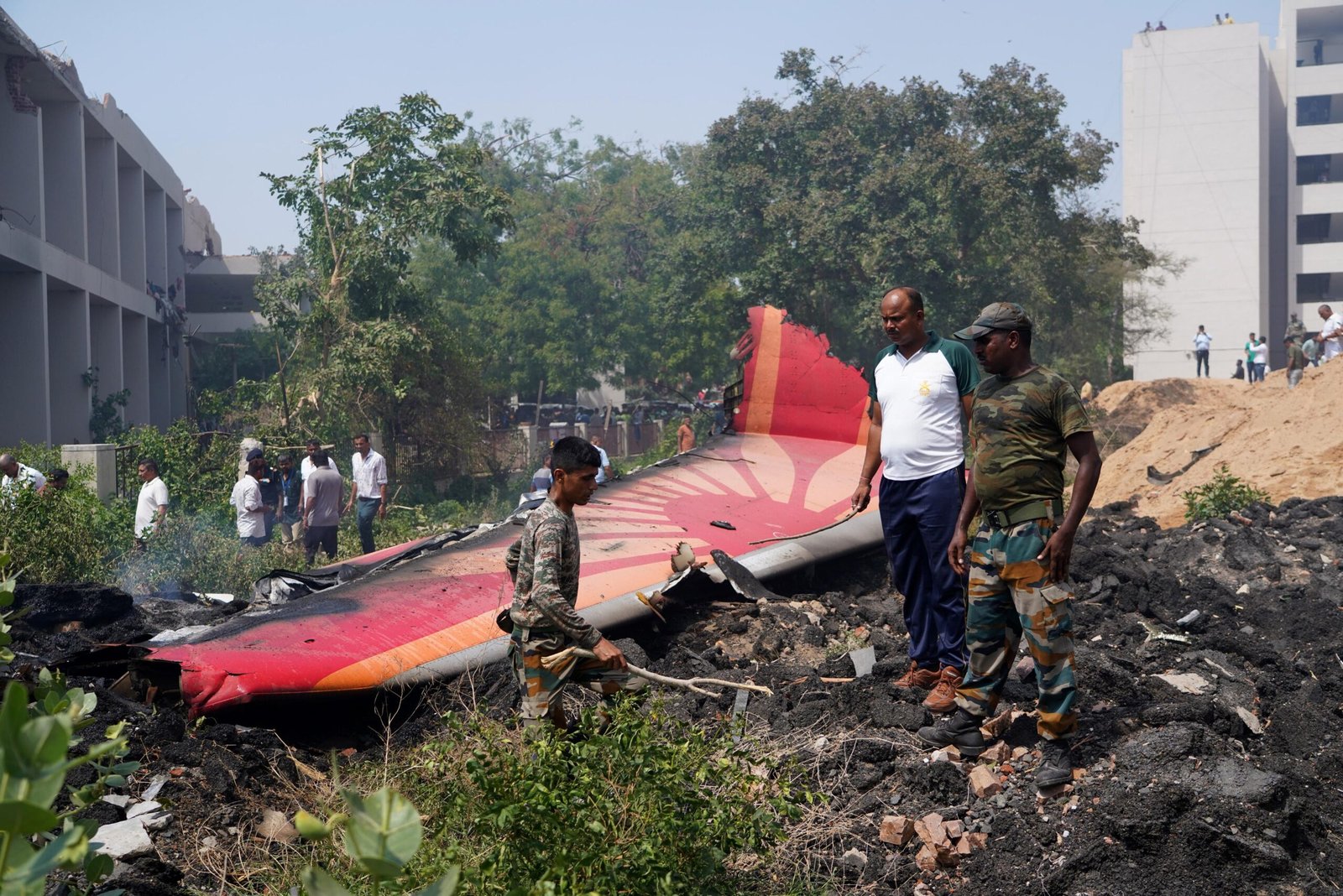
A fatal plane crash in Baramati has revived concerns flagged earlier by a Parliamentary Standing Committee that India’s rapid aviation growth is outpacing regulatory oversight and safety preparedness.
Q1. Why has the recent aircraft crash renewed focus on aviation safety in India?
- The Baramati crash involving a private aircraft highlighted vulnerabilities outside scheduled commercial aviation.
- The incident coincided with warnings already issued by a Parliamentary Standing Committee in August 2025.
- The Committee cautioned that regulatory capacity has not expanded in proportion to fleet growth and flight operations.
- The episode underscores systemic risks rather than an isolated operational failure.
Q2. What key concerns did the Parliamentary Standing Committee raise on aviation safety?
- India’s civil aviation sector is expanding rapidly in terms of aircraft numbers, airports, and flight movements.
- Regulatory surveillance and enforcement mechanisms have not scaled up at the same pace.
- Safety gaps are most pronounced in the non-scheduled aviation sector, including private jets and charter services.
- Uneven compliance and weaker institutional safety culture increase accident risks.
Q3. Why is the non-scheduled aviation sector considered more vulnerable?
- Maintenance and safety practices:
- Smaller charter operators often have limited technical manpower and safety specialists.
- This weakens maintenance planning, record-keeping, and independent safety checks.
- Operational support systems:
- Unlike scheduled airlines, private operators often lack layered operational control centres.
- Pilots may fly without real-time support during weather deterioration or diversions.
- Safety Management Systems (SMS):
- SMS implementation is uneven across private operators.
- The Committee stressed that safety processes must match the standards followed by commercial airlines.
Q4. What deficiencies were identified in flight planning and risk assessment?
- Inadequate pre-departure risk evaluation in non-scheduled flights.
- Weak weather assessment and insufficient alternate planning.
- Lack of real-time operational oversight once the aircraft is airborne.
- The Committee warned that “non-scheduled” status cannot justify diluted safety planning.
Q5. How is the aviation regulator facing capacity constraints?
- The Directorate General of Civil Aviation (DGCA) is overstretched.
- It faces manpower shortages amid expanding responsibilities.
- Limited staffing often pushes the regulator into a reactive rather than preventive safety approach.
- The Committee recommended enhanced technical staffing, better training, and data-driven risk monitoring.
Q6. Why are Air Traffic Control (ATC) systems a growing safety concern?
- Rising workload:
- ATC personnel at busy airports manage dense traffic without proportional manpower increases.
- Fatigue and human error:
- High stress during peak hours and adverse weather elevates error probability.
- Fatigue-related risks directly affect aviation safety.
- Infrastructure and coordination:
- Need for faster modernisation of communication, navigation, and surveillance systems.
- Importance of redundancy and improved civil–defence airspace coordination.
Q7. What lessons have past aviation accidents revealed?
- Human factors:
- Investigations repeatedly highlight decision-making under pressure and training quality.
- Implementation gap:
- Safety recommendations from accident probes are often noted but not fully implemented.
- The Committee suggested a centralised system to monitor compliance.
- Smaller airports:
- Infrastructure at regional airports has not kept pace with traffic growth.
- Deficiencies exist in runway safety, navigational aids, and emergency response.
Q8. What are the key challenges highlighted by the Committee?
- Rapid sectoral expansion without parallel strengthening of safety oversight.
- Weak safety culture in private and charter aviation.
- Overburdened regulator and fatigued ATC workforce.
- Inadequate follow-through on safety recommendations from past accidents.
Q9. What should be the way forward to strengthen aviation safety?
- Strengthen DGCA capacity: Recruit and train technical personnel and adopt predictive risk tools.
- Uniform safety standards: Enforce airline-level SMS and audit norms on private operators.
- ATC reforms: Increase staffing, improve rostering, and modernise systems to reduce fatigue risks.
- Safety compliance tracking: Create a central mechanism to ensure implementation of accident investigation recommendations.
- Infrastructure upgrades: Improve safety facilities at smaller airports alongside traffic expansion.
Conclusion
India’s aviation expansion must be matched by stronger regulation, institutional capacity, and safety culture. Without parallel investments in oversight and human systems, rapid growth risks turning systemic safety gaps into recurring tragedies.