Chincha Kingdom Latest News
New archaeological evidence reveals that seabird guano – nutrient-rich bird droppings – may have been a major factor in the rise of Peru’s precolonial Chincha Kingdom.
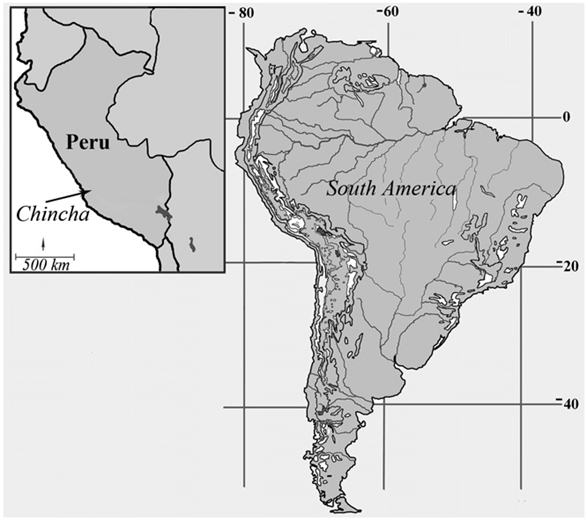
What made the Chincha Kingdom a unique pre-Inca power?
Flourishing between 900 CE and 1450 CE during what historians call the Late Intermediate Period, the Chincha Kingdom was a sophisticated maritime and agricultural society.
- Location: They ruled the fertile Chincha Valley, located about 200 kilometers south of modern-day Lima, Peru.
- Social Structure: With a population of over 100,000, they were highly organized into specialized groups, including expert farmers, brave fisherfolk, and a dominant class of long-distance merchants.
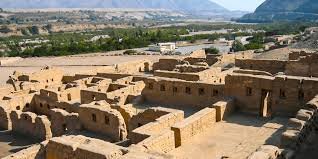
- Architecture: Unlike the Incas who used stone, the Chinchas mastered adobe (mud-brick). Their capital, La Centinela, is famous for its pyramid structures and walls decorated with stucco carvings of fish, pelicans, and seabirds.
Why was “Guano” the secret to their economic success?
New biochemical analysis of 800-year-old corn (maize) samples has revealed exceptionally high nitrogen levels. This confirms their agriculture using seabird guano from the nearby Chincha Islands.
- Sustainable Fertilizer: Guano is one of the world’s most potent natural fertilizers. It allowed the Chinchas to grow massive surpluses of maize in a desert environment where soil normally loses nutrients quickly.
- Trade Surplus: This agricultural surplus meant they didn’t just survive; they thrived. They used the extra food to trade for luxury goods like Spondylus shells (thorny oysters) from as far away as Ecuador.
- Diplomatic Leverage: When the Inca Empire expanded, they were obsessed with maize for making chicha (ceremonial beer). Because the Incas lived in the high Andes and couldn’t sail, they relied on the Chinchas for both the maize and the “secret ingredient” (guano) that grew it.
How did the Chincha Kingdom decline and what is its legacy?
The Chincha story is an example of Ecological Diplomacy. They were so wealthy and organized that the Incas didn’t initially conquer them by force; they formed a peaceful strategic alliance in 1476 CE.
- Inca Integration: The “Lord of Chincha” was so respected that he was the only person allowed to be carried in a litter (palanquin) alongside the Inca Emperor.
- Spanish Conquest: The end came in the 16th century with the arrival of the Spanish. Like many indigenous groups, the Chincha population was decimated by European diseases and colonial exploitation.
- Cultural Impact: They gave their name to the Chinchaysuyo (the northern quarter of the Inca Empire), the Chincha Islands, and even the animal we know as the Chinchilla (which means “Little Chincha”).