- News: The latest report from the UN Security Council (UNSC) 1267 Sanctions Monitoring Committee has linked the Pakistan-based Jaish-e-Mohammed (a UN-designated terror outfit) to the Delhi Red Fort terror attack.
- Identity and Origin
- The 1267 Committee is a subsidiary body of the United Nations Security Council. It was established in 1999 through Resolution 1267.
- Originally, its mission was to impose a ban on trade and freeze the assets of the Taliban, but its role has since expanded.
- Today, its primary purpose is to oversee international sanctions against ISIS, Al-Qaida, and any individuals or groups associated with them.
- Working Mechanism
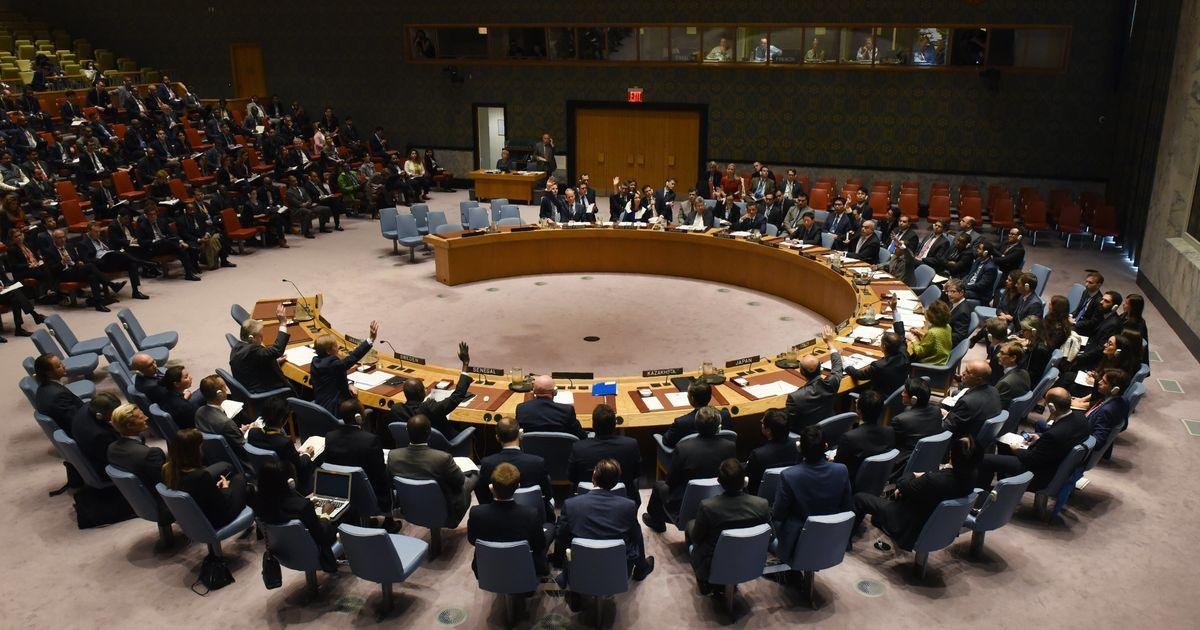
- The committee is composed of all 15 members of the UN Security Council. Its decision-making process is unique because it functions strictly on the basis of consensus.
- This means that for any person or group to be sanctioned, all 15 member countries must agree. If even one member disagrees, the action cannot move forward.
- Key Mandates: The committee has three main responsibilities:
- Designating: Identifying and adding dangerous individuals or groups to the global sanctions list.
- Reviewing: Managing requests to remove names from the list or granting specific exemptions for basic needs.
- Reporting: Submitting regular updates and annual reports to the Security Council regarding terror threats.
- Impact of Sanctions
- When a name is added to this list, every country in the world is legally required to enforce three things: freezing their bank accounts, banning them from traveling, and preventing them from acquiring weapons.
- By cutting off their money and movement, the 1267 Committee plays a vital role in stopping global terrorism.