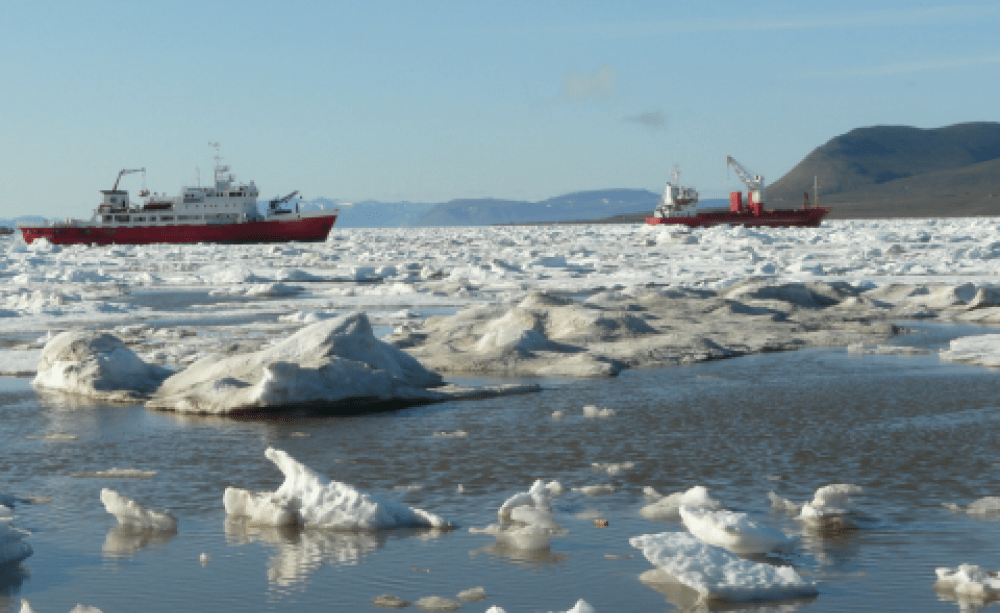
- As the Arctic Circle warms rapidly due to climate change, human activities like tourism (“last chance tourism”), mineral and oil exploration and Arctic shipping routes are increasing. This is leading to a new biodiversity threat – invasive plant species entering the Arctic Tundra.
- Native vs Invasive Species:
- Native species are plants or animals that naturally belong to an ecosystem.
- Invasive (alien) species come from outside and disturb local food chains, often pushing native species towards extinction as they grow faster, spread aggressively, outcompete local flora and fauna and alter soil and nutrient cycles.
- The Arctic region becomes more vulnerable to invasive species as it hosts a fragile Tundra ecosystem with presence of non-vascular plants (lichens, mosses), sparse grasses and species like Arctic fox, snowy owl, seals, walrus,
- Earlier, extreme cold acted as a natural barrier against outside species. Now, warming temperatures are removing this protection.
- A study reported in Neobiota shows that alien plant species have started to appear in Arctic regions like Svalbard. Also, around 2500 vascular plant species from Russia and Europe have been found that can survive the Arctic conditions.
- If this is not managed, then it can replace the Arctic vegetation permanently.
- How do Invasive Species Reach the Arctic?
- Invasive plants primarily enter the Arctic through human activities such as shipping, cargo movement, vehicles, and equipment used in exploration and tourism.
- The rise in maritime traffic and Arctic exploration has turned shipping routes into carriers of biological invasion, alongside their role in contributing to carbon emissions.
- Why This Is Serious: Invasive species, when combined with climate stress, can destabilize the Arctic by collapsing native ecosystems, disrupting food webs, and reducing biodiversity — creating a second ecological disaster layered on top of climate change.