| Important Questions for UPSC Prelims / Mains / Interview
1. Why has solid waste management emerged as a major governance challenge in India? 2. What were the key limitations of India’s solid waste management framework before 2026? 3. What are the main features of the Solid Waste Management (SWM) Rules, 2026? 4. How do the new SWM Rules redefine the role of bulk waste generators in India? 5. What is the significance of mandatory source-level waste processing under the 2026 Rules? 6. How does the revised waste segregation framework improve recycling and processing efficiency? 7. What new powers have been granted to local bodies under the SWM Rules, 2026? 8. How do the new rules promote the principles of circular economy and waste hierarchy? 9. Why are the Solid Waste Management Rules, 2026 significant for India’s urban sustainability goals? |
Context
The Union government has notified the Solid Waste Management Rules, 2026, replacing the earlier 2016 framework. The new rules aim to tackle India’s mounting waste crisis by making source-level waste processing mandatory, especially for bulk waste generators, and by shifting accountability from municipalities to waste producers themselves.
Q1. Why has solid waste management emerged as a major governance challenge in India?
- Rapid urbanisation and population growth have sharply increased waste generation in Indian cities.
- Changing lifestyles and consumption patterns have led to higher volumes of non-biodegradable waste.
- India generates about 1.85 lakh tonnes of solid waste daily, straining urban infrastructure.
- Nearly one-third of this waste comes from bulk generators like housing societies and institutions.
- Waste processing capacity has not kept pace with waste generation.
- Poor segregation at source increases costs and reduces recycling efficiency.
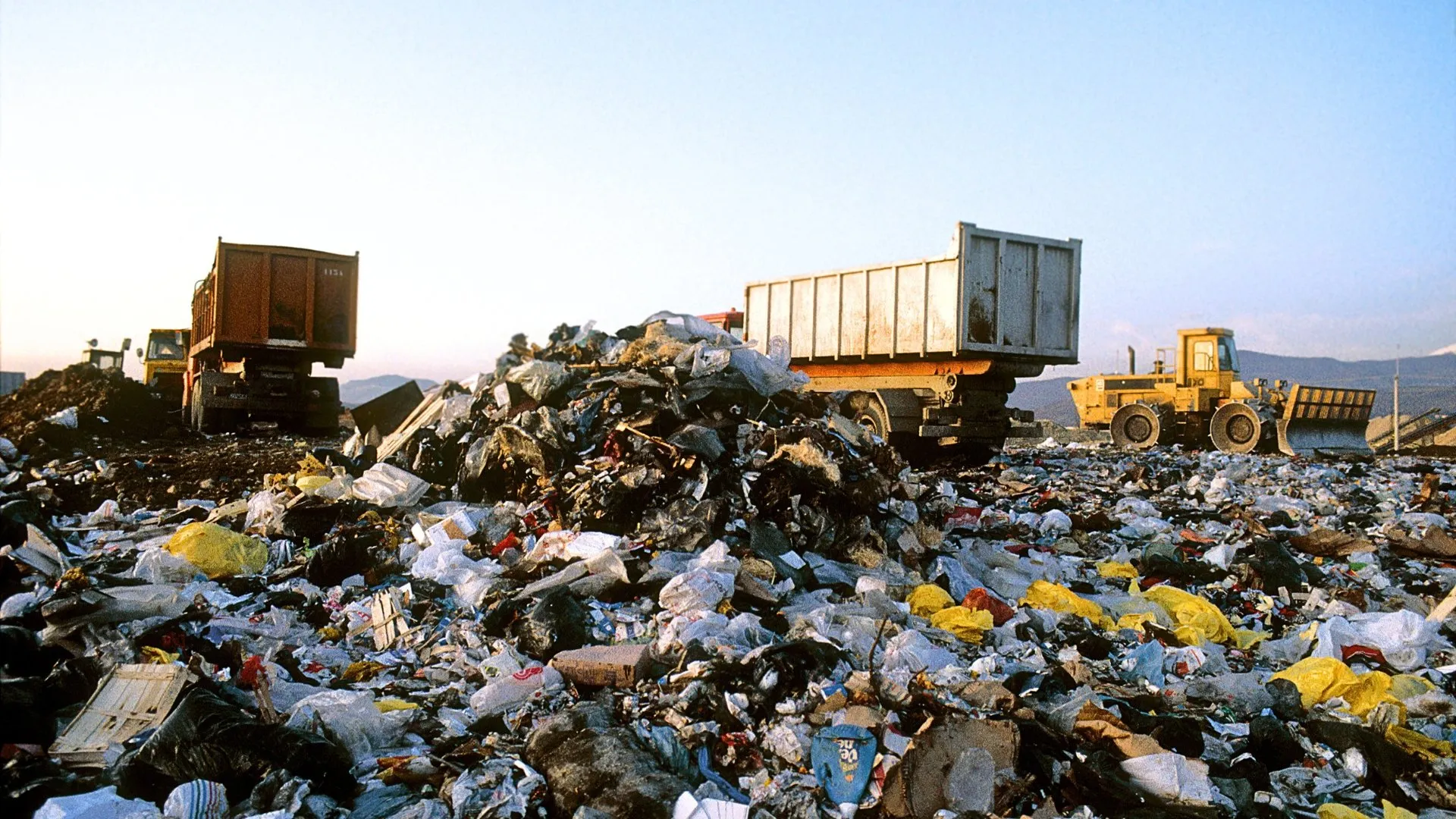
- Landfill dumping causes land degradation, water pollution, and health hazards.
- Together, these factors make solid waste management a critical urban governance issue.
Q2. What were the key limitations of India’s solid waste management framework before 2026?
- The SWM Rules, 2016 introduced progressive ideas but suffered from weak enforcement.
- Urban local bodies lacked financial and technical capacity to manage growing waste volumes.
- Segregation at source was poorly implemented in many cities.
- Accountability of bulk waste generators remained unclear.
- Landfill-based disposal continued despite policy emphasis on processing.
- Monitoring and compliance mechanisms were inadequate.
- Penalties for non-compliance were rarely enforced.
- These gaps reduced the effectiveness of the earlier framework.
Q3. What are the main features of the Solid Waste Management (SWM) Rules, 2026?
- The 2026 Rules mandate source-level processing of waste by bulk generators.
- They strengthen segregation norms by prescribing four distinct waste streams.
- Landfills are restricted to inert and non-recoverable waste only.
- Higher landfill fees are imposed for unsegregated waste.
- A centralized online portal enables monitoring and enforcement.
- Extended Bulk Waste Generator Responsibility is formally introduced.
- Local bodies receive enhanced regulatory powers.
- Overall, the rules focus on accountability and waste reduction.
Q4. How do the new SWM Rules redefine the role of bulk waste generators in India?
- Bulk waste generators are now legally responsible for managing their own waste.
- Entities generating over 100 kg of waste daily fall under this category.
- Large residential, commercial, and institutional premises are included.
- On-site processing of wet waste is made mandatory wherever feasible.
- Off-site processing requires certification and compliance with standards.
- Waste generators must ensure safe collection and transport.
- Non-compliance attracts penalties and higher disposal charges.
- This marks a shift from municipal to producer responsibility.
Q5. What is the significance of mandatory source-level waste processing under the 2026 Rules?
- Processing waste at source reduces pressure on municipal systems.
- It lowers transportation and landfill costs.
- Segregated waste improves composting and recycling outcomes.
- Organic waste can be converted into compost or biogas locally.
- Landfill dependency is significantly reduced.
- Environmental pollution from dumping is minimised.
- Accountability of waste producers is strengthened.
- This makes waste management more efficient and sustainable.
Q6. How does the revised waste segregation framework improve recycling and processing efficiency?
- The rules mandate segregation into wet, dry, sanitary, and special care waste.
- Clear categorisation reduces contamination of recyclable materials.
- Wet waste becomes suitable for composting and biomethanation.
- Dry waste can be efficiently recycled and reused.
- Hazardous and e-waste receive specialised handling.
- Sanitary waste is managed with health safeguards.
- Processing costs are reduced due to better quality inputs.
- Overall recycling rates are expected to improve significantly.
Q7. What new powers have been granted to local bodies under the SWM Rules, 2026?
- Local bodies can levy higher fees for unsegregated waste.
- Authorities in hilly and island areas can charge tourists for waste services.
- Visitor numbers can be regulated based on waste-handling capacity.
- This recognises ecological sensitivity of fragile regions.
- Municipalities gain stronger enforcement authority.
- Fiscal stress on local bodies is reduced.
- Waste management costs are shared more equitably.
- Local governance capacity is strengthened.
Q8. How do the new rules promote the principles of circular economy and waste hierarchy?
- The rules prioritise waste reduction and prevention.
- Reuse and recycling are encouraged over disposal.
- Energy recovery is promoted through biomethanation and waste-to-energy.
- Landfilling is treated as the last option.
- Higher landfill costs discourage dumping.
- Waste is viewed as a resource rather than a burden.
- Material recovery is maximised.
- This aligns with circular economy principles.
Q9. Why are the Solid Waste Management Rules, 2026 significant for India’s urban sustainability goals?
- The rules directly target major waste contributors.
- They improve accountability across the waste value chain.
- Urban pollution and landfill expansion are reduced.
- Municipal finances benefit from reduced waste burden.
- Environmental and public health outcomes improve.
- Circular economy practices are institutionalised.
- Citizen and institutional responsibility is reinforced.
- The rules support long-term urban sustainability.
Conclusion
The Solid Waste Management Rules, 2026 mark a decisive shift in India’s approach to urban waste governance. By mandating source-level processing and placing responsibility on bulk waste generators, the rules address long-standing weaknesses in segregation, enforcement, and landfill dependence. If effectively implemented, the new framework can significantly improve waste processing efficiency, reduce environmental damage, and move India closer to a circular, sustainable urban economy.