Context
- India has over 40 million students in higher education and 10 million youth entering the workforce annually, yet many struggle to transition from education to employment.
- Despite skilling and internship policies, inequalities in access to confidence, networks, and exposure persist, especially for first-generation learners and women.
- Governments and institutions are increasingly recognising mentoring as a systemic solution, integrating it into platforms like the National Career Service and State education systems.
Ethical Issues Involved
- Inequality of Opportunity
- Talent is widespread, but access to guidance, networks, and role models is unequal.
- First-generation learners lack informal social capital enjoyed by privileged groups.
- John Rawls’ theory of Fair Equality of Opportunity is violated when background determines life chances.
- Gender Justice and Workforce Exclusion
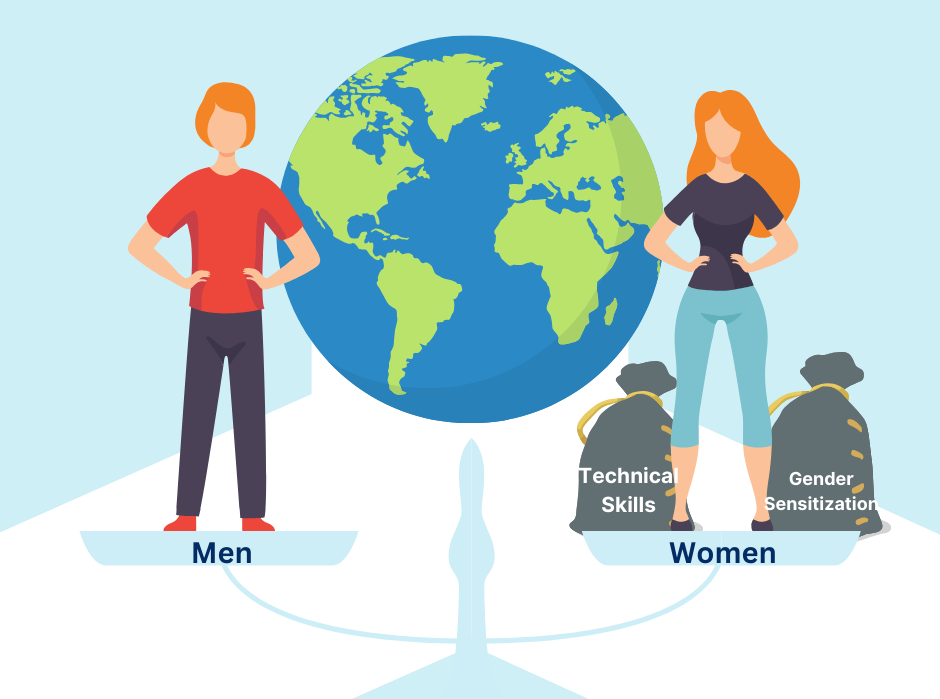
- Women achieve educational parity but face low labour force participation due to social norms, safety concerns, and confidence gaps.
- Denial of mentorship reinforces structural patriarchy.
- Aligns with Amartya Sen’s Capability Approach, where real freedom to choose work is constrained.
- Ethical Responsibility of Institutions
- Education systems focus on degrees but neglect human development like confidence, adaptability, and leadership.
- This reflects instrumental ethics over human-centric ethics.
- Institutions risk moral failure by producing “qualified but unsupported” youth.
- Digital and Network Divide
- Employment increasingly depends on networks and social connections, disadvantaging rural and marginalised youth.
- This creates a modern form of exclusion, violating principles of social justice and inclusivity.
- Intergenerational Ethical Duty
- Professionals benefiting from society have a moral obligation to support the next generation.
- Gandhian ethics of trusteeship emphasise sharing privilege for collective upliftment.
Course of Action
- Institutionalising Mentorship in Public Systems
- Embed mentoring into education, skilling, and employment platforms.
- Ensure mentoring is treated as essential infrastructure, not a voluntary add-on.
- Reflects Max Weber’s ethics of responsibility in governance.
- Ensuring Quality, Safeguards, and Inclusion
- Develop ethical standards, mentor training, safeguarding norms, and accountability mechanisms.
- Prevent power imbalance, bias, or tokenism.
- Aligns with Kantian ethics — treating mentees as ends, not means.
- Targeted Support for Women and Marginalised Groups
- Design mentoring sensitive to gender realities, social norms, and safety concerns.
- Promote role models who reflect lived realities.
- Example: Women officers like Kiran Bedi mentoring young women in leadership and policing.
- Multi-Stakeholder Ethical Collaboration
- Government: policy architecture and scale.
- Non-profits: training, evidence, and ethical design.
- Corporates: volunteering and network access through CSR.
- Example: LinkedIn Coaches Program enabling professionals to mentor underserved youth.
- Building a Culture of Ethical Citizenship
- Encourage professionals to mentor at least one young person annually.
- Reinforces communitarian ethics and civic virtue.
- Echoes civil servants like Sreedharan, who mentored teams to build institutions, not just projects.
Conclusion
Mentoring is an ethical imperative for India’s demographic moment. By institutionalising guidance, sharing social capital, and nurturing human potential, India can advance justice, dignity, and inclusive growth while fulfilling its moral duty to the next generation.