| Important Questions for UPSC Prelims / Mains / Interview
1. What do high-frequency indicators suggest about India’s domestic demand and economic activity in December 2025? 2. What is India’s projected GDP growth for FY2025-26 according to the National Statistics Office’s first advance estimates, and why is it significant? 3. How did inflation trends evolve in December 2025, and what macroeconomic implications do they carry? 4. Why are global geopolitical and geo-economic risks key to interpreting India’s economic outlook, and what are their potential implications? 5. Which major structural reforms in 2025 are underscored in the RBI assessment, and how might they strengthen fundamentals? 6. How is India pursuing export diversification and trade strategy as part of its external sector resilience? 7. What challenges does the Indian economy face despite strong domestic demand, and what policy responses are suggested? 8. How does the RBI reconcile domestic resilience with external uncertainties in its overall economic outlook? 9. What broader insights does the RBI’s assessment offer on India’s economic strategy in a volatile global environment? |
Context
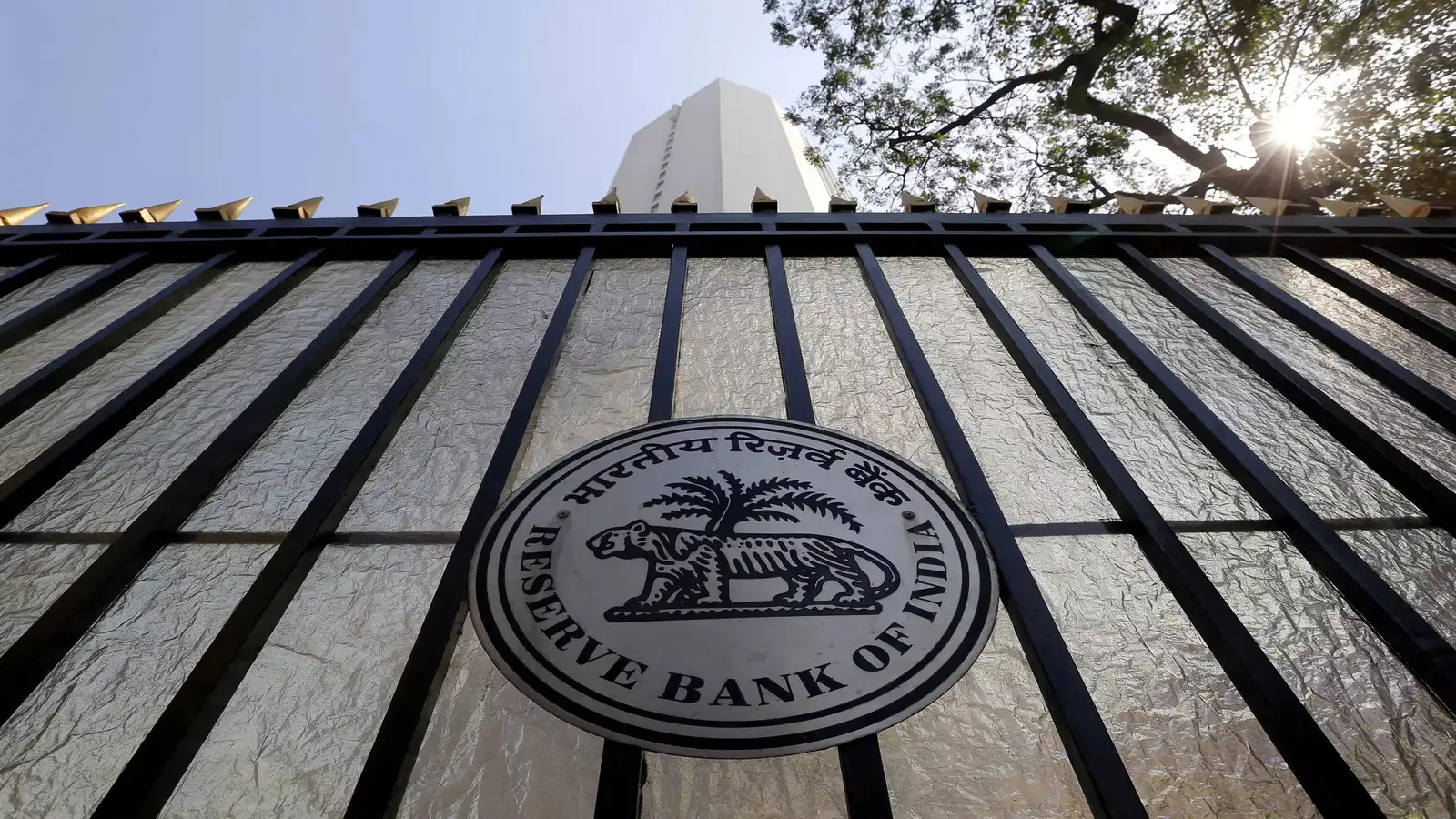
The Reserve Bank of India in its State of the Economy article analysed India’s macroeconomic conditions using high-frequency data for December 2025. The assessment highlights continued growth momentum, resilient domestic demand, and optimism for future prospects despite elevated global geopolitical and geo-economic risks. The article reflects the views of the authors, not the formal policy stance of the RBI.
Q1. What do high-frequency indicators suggest about India’s domestic demand and economic activity in December 2025?
- High-frequency data for December 2025 indicate sustained buoyancy in growth impulses, with domestic demand remaining lively even amid external risks.
- Retail automobile sales grew broadly across categories, reflecting strong household consumption and rural pickup.
- Commercial vehicle sales maintained strong momentum, signalling improved goods movement and underlying economic activity.
- E-way bill generation—a key formal economy indicator—continued healthy growth, driven by GST rate rationalisation, year-end stock clearances, and firm business activity.
- Together, these signals show that production and consumption cycles remained robust, supporting overall economic resilience.
Q2. What is India’s projected GDP growth for FY2025-26 according to the National Statistics Office’s first advance estimates, and why is it significant?
- The National Statistics Office’s first advance estimate projects real GDP growth of 7.4% for FY2025-26, up from 6.5% in the previous year.
- This growth rate positions India to remain one of the fastest-growing major economies globally at a time when many advanced economies face slowdown.
- Higher output growth reflects strengthening domestic drivers—consumption, investment, and formal economic activity.
- The sustained high growth is noteworthy given global trade uncertainties and geopolitical tensions.
- It signals confidence in India’s medium-term growth trajectory and underpins policy optimism.
Q3. How did inflation trends evolve in December 2025, and what macroeconomic implications do they carry?
- In December 2025, CPI inflation rose modestly to around 1.3%, influenced by slower food deflation and slightly higher core price pressures.
- Despite the uptick, inflation remained well below the RBI’s 2–6% target band, indicating subdued price pressures.
- Low headline inflation reflects broader disinflationary forces, including weak global commodity prices and improving supply conditions.
- Benign inflation provides room for accommodative monetary policy to support growth.
- However, policymakers remain vigilant about risks from imported inflation due to volatile energy and food markets.
Q4. Why are global geopolitical and geo-economic risks key to interpreting India’s economic outlook, and what are their potential implications?
- At the start of 2026, several global risk factors have the potential to affect economic stability—such as US intervention in Venezuela, continued Middle East conflicts, uncertainty over the Russia–Ukraine peace process, and rising tensions in the Arctic region.
- These geopolitical developments create geo-economic uncertainty, affecting global trade, supply chains, and investor confidence.
- Such risks can influence India’s external sector via trade disruptions, energy price volatility, and capital flow fluctuations.
- Elevated policy uncertainty can constrain export demand and foreign investment.
- As a result, even a strong domestic economy must be read in the context of these broader global stressors.
Q5. Which major structural reforms in 2025 are underscored in the RBI assessment, and how might they strengthen fundamentals?
- The RBI highlights several structural reforms completed or advanced in 2025, including GST rate rationalisation and simplification of the indirect tax regime.
- Implementation of new labour codes aims to streamline labour market regulations, increasing flexibility and formal employment.
- Financial sector deregulation reforms enhance market functioning and credit flows.
- These reforms are expected to improve productivity, investment climate, and ease of doing business.
- Over the medium and long term, such reforms strengthen Indian economic fundamentals by enhancing competitiveness and growth potential.
Q6. How is India pursuing export diversification and trade strategy as part of its external sector resilience?
- India has stepped up efforts to diversify export destinations, focusing on emerging markets in Africa and Latin America.
- Active trade negotiations are underway with about 14 countries or regional groups, spanning nearly 50 nations, including the European Union and Gulf Cooperation Council countries.
- Diversification mitigates dependence on any single market and reduces vulnerability to external shocks.
- Broader engagement supports market access and enhances India’s role in global value chains.
- Strengthening export competitiveness aligns with India’s strategic goal of enhancing external sector resilience.
Q7. What challenges does the Indian economy face despite strong domestic demand, and what policy responses are suggested?
- Persisting global geopolitical instability poses a downside risk that could affect trade and investment flows.
- There is a risk of imported inflation, especially due to volatile global energy and commodity markets.
- Balancing growth with inflation management requires a mix of monetary, fiscal, and trade policies—including interest rate adjustments and strategic tariff reforms.
- Ensuring inclusive growth calls for deepening structural reforms to boost productivity and widen economic participation.
- Managing policy uncertainty demands prudent regulation, strong macro-prudential oversight, and responsive fiscal strategies.
Q8. How does the RBI reconcile domestic resilience with external uncertainties in its overall economic outlook?
- The RBI’s assessment emphasises that while domestic demand and economic activity remain robust, global uncertainties cannot be ignored.
- Strong inland indicators such as consumption growth and formal sector activity provide optimism for sustained momentum.
- The central bank underscores the significance of structural reforms and prudent policy calibration to navigate global headwinds.
- India’s economy is expected to sustain high growth while remaining attentive to inflationary and external risks.
- This balanced outlook supports confidence in medium-term growth prospects despite global geopolitical volatility.
Q9. What broader insights does the RBI’s assessment offer on India’s economic strategy in a volatile global environment?
- The RBI’s State of the Economy article illustrates that strong domestic demand can anchor growth even when external conditions are uncertain.
- High-frequency indicators provide real-time insights, enabling quicker policy responses.
- Export diversification and structural reforms enhance resilience against external shocks.
- Monetary and fiscal coordination remains crucial for sustaining growth without inflation overshoot.
- India’s continued high growth performance reflects a dynamic economic strategy combining internal strengths with external engagement.
Conclusion
The RBI’s State of the Economy assessment for December 2025 highlights India’s resilient growth path, underpinned by robust domestic demand, buoyant high-frequency indicators, and a sustained reform push. While inflation remains subdued and manageable, global geopolitical risks persist and warrant continued policy vigilance. India’s macroeconomic fundamentals, combined with calibrated policy responses, provide credible grounds for optimism and position the economy for sustained and stable long-term growth—even in a volatile global environment.