| Important Questions for UPSC Prelims / Mains / Interview
1. Why is the signing of a Strategic Defence Partnership between India and the UAE significant in the current West Asia geopolitical context? 2. What are the key outcomes of UAE President Sheikh Mohamed bin Zayed Al Nahyan’s visit to India? 3. How does the India–UAE Strategic Defence Partnership differ from a traditional military alliance? 4. What is the significance of India–UAE economic and trade cooperation, particularly under CEPA? 5. How does energy cooperation with the UAE strengthen India’s long-term energy security? 6. Why is civil nuclear and space cooperation emerging as a new pillar in India–UAE relations? 7. How does the partnership reflect India’s strategic autonomy and multi-alignment approach in West Asia? 8. What challenges does India face in deepening defence cooperation in a volatile Gulf region? 9. What is the way forward for India–UAE relations in an increasingly unstable regional and global order? |
Context
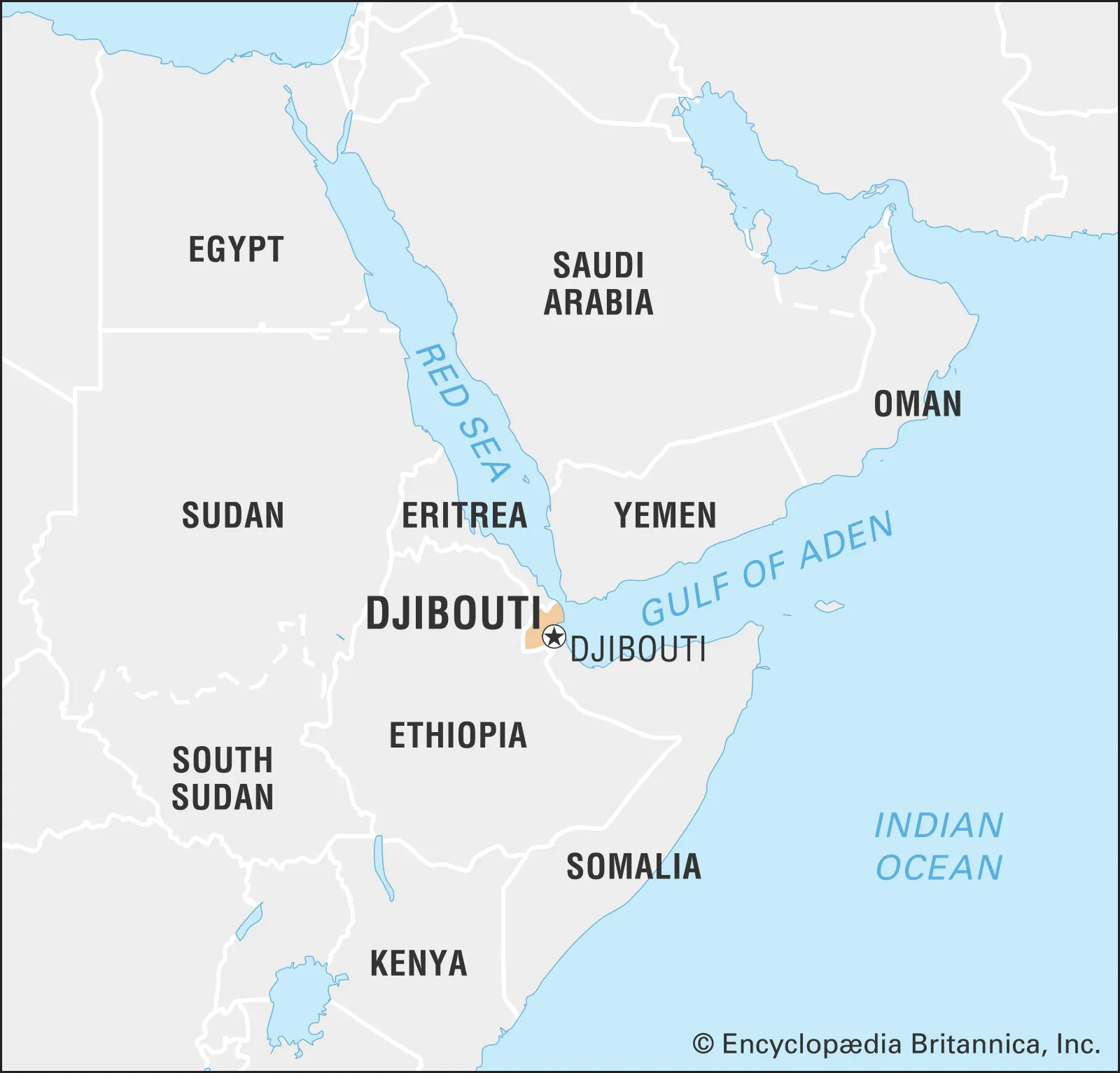
Against the backdrop of escalating geopolitical tensions in West Asia—including the Gaza conflict, instability in Yemen, unrest in Iran, and growing Saudi–Pakistan defence cooperation—India and the United Arab Emirates have further deepened their Comprehensive Strategic Partnership.
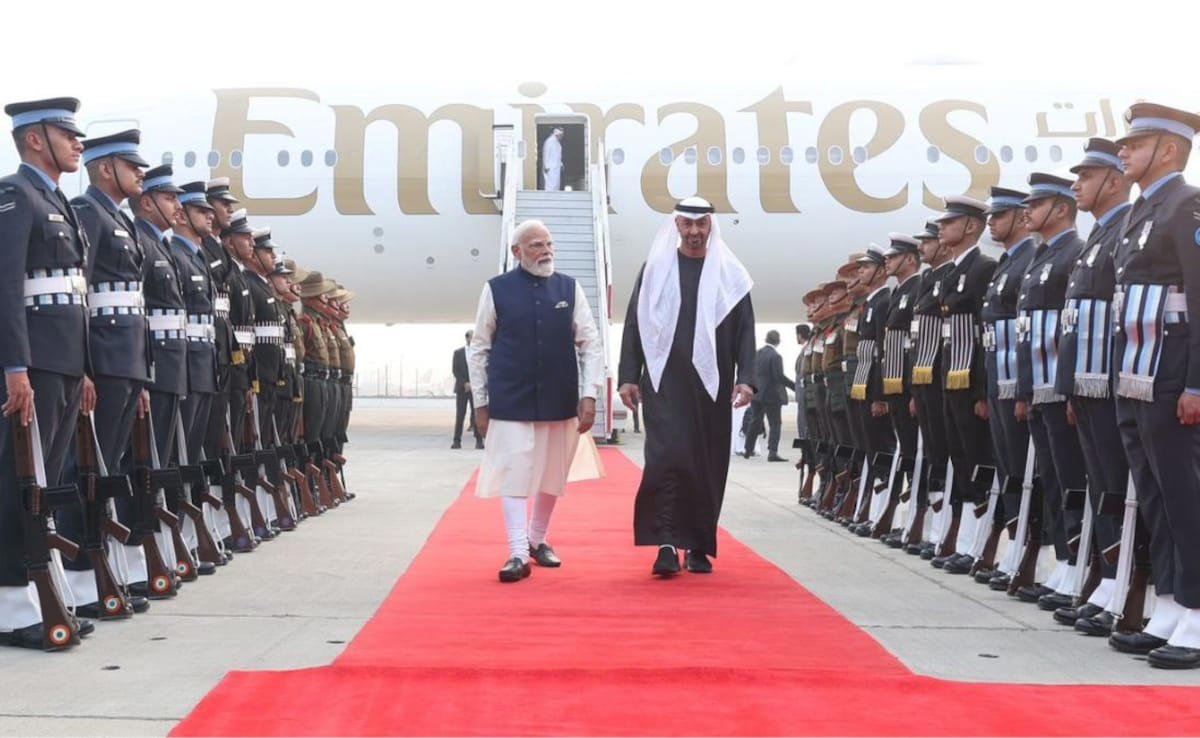
During the visit of UAE President Sheikh Mohamed bin Zayed Al Nahyan to New Delhi, both sides signed a Letter of Intent (LoI) for a Bilateral Strategic Defence Partnership. The visit underscores India’s calibrated diplomacy in a region marked by rivalries, while reaffirming the UAE’s role as a key energy supplier, investment partner, and strategic interlocutor.
Q1. Why is the signing of a Strategic Defence Partnership between India and the UAE significant in the current West Asia geopolitical context?
- The agreement comes amid heightened instability in West Asia, including conflicts in Gaza and Yemen.
- Strategic significance:
- Signals trust and long-term intent beyond transactional ties
- Enhances defence dialogue without formal alliance obligations
- Offers UAE strategic diversification beyond traditional partners
- It reflects India’s growing role as a credible security partner without regional entanglement.
- The partnership strengthens India’s presence in the Gulf while maintaining neutrality in regional rivalries.
Q2. What are the key outcomes of UAE President Sheikh Mohamed bin Zayed Al Nahyan’s visit to India?
- Strategic Defence Partnership: LoI signed to develop a formal framework agreement.
- Trade and economy:
- Target to double bilateral trade to $200 billion by 2032
- CEPA (2022) continues to drive non-oil trade growth
- Energy:
- 10-year LNG supply agreement between Hindustan Petroleum Company Ltd and Abu Dhabi National Oil Company
- UAE becomes India’s second-largest LNG supplier
- Space, nuclear, digital, and financial cooperation further broadened.
Q3. How does the India–UAE Strategic Defence Partnership differ from a traditional military alliance?
- India clarified that the partnership is not directed against any country.
- Key distinctions:
- No mutual defence obligation
- No permanent troop deployment
- Focus on capacity-building and defence industry cooperation
- Cooperation builds on joint exercises like Desert Eagle and Gulf Star-1.
- It aligns with India’s doctrine of non-entanglement and strategic autonomy.
Q4. What is the significance of India–UAE economic and trade cooperation under CEPA?
- UAE is India’s 3rd largest trading partner and 2nd largest export destination.
- CEPA outcomes:
- Trade reached ~$100 billion (FY 2024–25)
- Target of $200 billion by 2032
- UAE investment supports:
- Infrastructure
- Energy transition
- AI, fintech, and logistics
- Initiatives like Bharat Mart, Virtual Trade Corridor, and Bharat–Africa Setu deepen geo-economic integration.
Q5. How does energy cooperation with the UAE strengthen India’s long-term energy security?
- UAE is a reliable and diversified energy supplier for India.
- LNG agreement ensures:
- Stable long-term supply
- Reduced spot market volatility
- Support for India’s gas-based transition
- UAE also hosts India’s strategic crude oil reserves.
- Energy cooperation cushions India from West Asia supply disruptions.
Q6. Why is civil nuclear and space cooperation emerging as a new pillar in India–UAE relations?
- Both countries are expanding cooperation in advanced technologies.
- Civil nuclear cooperation:
- Large reactors and SMRs
- Nuclear safety and operations
- Enabled by India’s SHANTI Act
- Space cooperation:
- LoI between IN-SPACe and UAE Space Agency
- Joint missions, start-ups, and commercial space services
- These sectors create high-skill employment and strategic depth.
Q7. How does the partnership reflect India’s strategic autonomy and multi-alignment approach in West Asia?
- India engages simultaneously with UAE, Saudi Arabia, Iran, Israel, and the US.
- The visit reinforces issue-based partnerships, not bloc politics.
- India welcomed humanitarian aspects of US peace initiatives but ruled out military participation in non-UN forces.
- This reflects balanced diplomacy amid competing Gulf rivalries.
Q8. What challenges does India face in deepening defence cooperation in a volatile Gulf region?
- Perception risks: Avoiding alignment with one regional camp.
- Operational challenges:
- Ensuring cooperation does not imply intervention
- Preventing spillover from regional conflicts
- Maritime security risks in the Gulf and Red Sea.
- India must institutionalise cooperation while preserving policy flexibility.
Q9. What is the way forward for India–UAE relations in an increasingly unstable regional and global order?
- Deepen geo-economic engagement through CEPA-linked manufacturing and logistics.
- Institutionalise defence cooperation without operational entanglement.
- Leverage UAE capital for Make in India and Atmanirbhar Bharat.
- Coordinate with Global South partners to uphold stability and de-escalation in West Asia.
Conclusion
The India–UAE Strategic Defence Partnership marks a decisive evolution from transactional ties to a multi-dimensional strategic relationship. Amid deepening instability in West Asia, India has strengthened cooperation with the UAE while reaffirming its commitment to peace, restraint, and strategic autonomy. The outcomes highlight India’s emergence as a non-aligned yet influential stakeholder in the Gulf—an approach vital for protecting its energy security, diaspora interests, and long-term geopolitical relevance in a rapidly shifting regional order.