Context
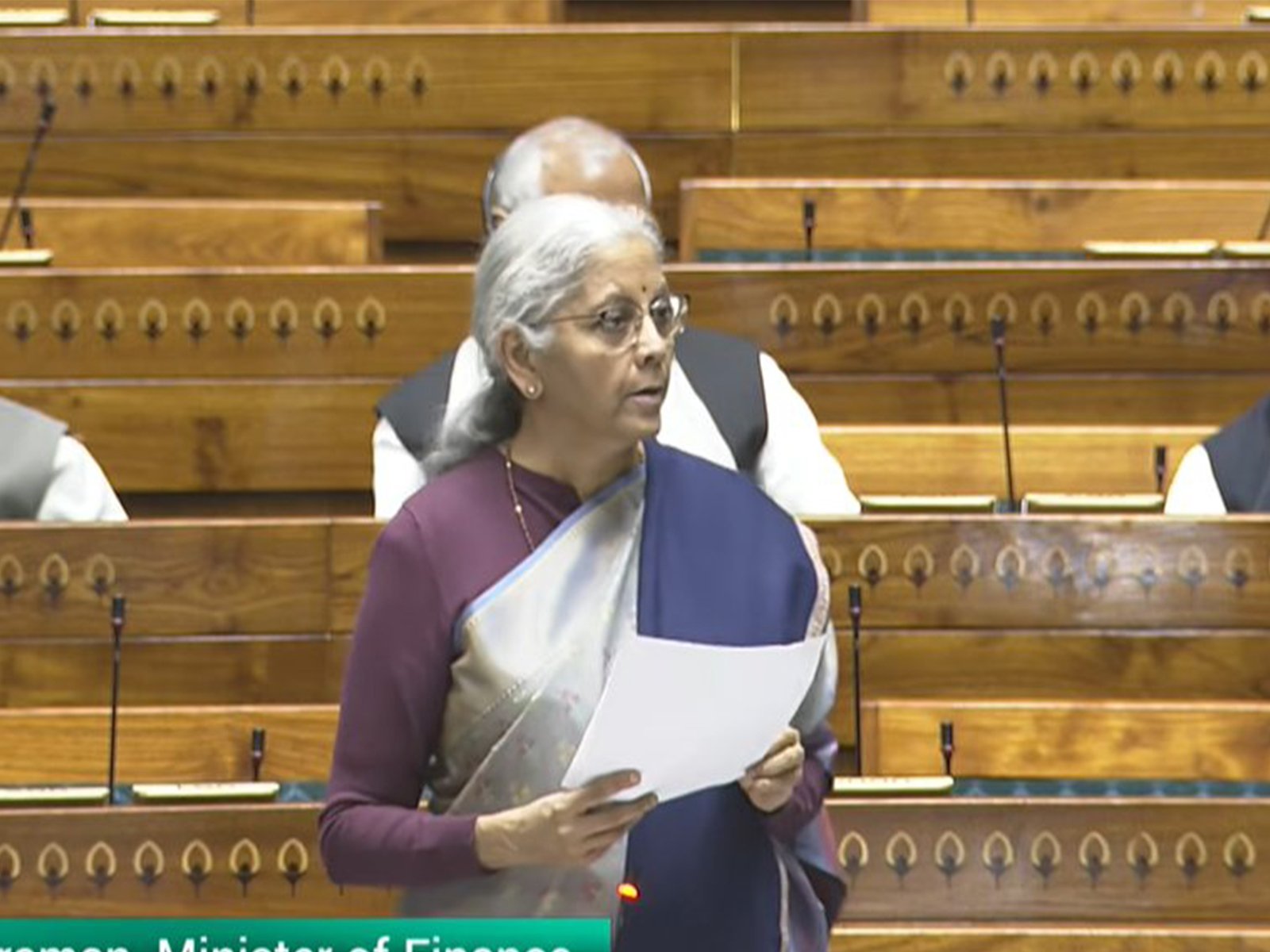
- The Union Government introduced the Health and National Security Cess Bill, 2025, proposing a National Security Cess on demerit goods such as pan masala, to generate dedicated funds for health initiatives and national security.
- The issue has triggered a debate in Parliament over impact on MSMEs, federal revenue sharing, and potential return of inspector raj (excessive bureaucratic control).
What is the National Security Cess?
- The National Security Cess is a levy imposed on specified demerit goods (products associated with high health risks), such as pan masala and similar items.
- It is designed to create a predictable revenue stream for health services and national security programmes.
Key Features of the Proposed Cess
- Applicable Only on Demerit Goods
- The cess applies only to high-risk products like pan masala, not on essential or commonly used goods.
- It is a capacity-based cess, levied on the machines installed for production rather than actual production output.
- This structure aims to reduce tax evasion, enhance transparency, and regulate historically opaque sectors.
- Revenue Sharing with States
- A portion of the collected revenue will be shared with states specifically for health-related schemes and awareness programmes.
- This diverges from typical cesses which are not shareable, and strengthens cooperative fiscal federalism.
- No Adverse Impact on GST System
- The cess is independent of GST and will not impact GST revenue distribution.
- For example, pan masala is already taxed at 28% GST + compensation cess; the proposed cess is additional and capacity-based.
- It does not disturb the GST Council mechanism or the compensation arrangements.
Why was it Introduced (Objectives)?
- To discourage consumption of harmful goods like pan masala by increasing economic deterrence.
- To raise funds for critical sectors, namely health infrastructure and national security systems.
- To improve transparency in revenue utilisation by dedicating collections to specified purposes.
- To reduce tax evasion in the pan masala manufacturing industry.
How the Cess Works?
- The cess will be imposed not on consumption, but on machine-linked production capacity.
- Pan masala will be taxed at a maximum 40% rate under GST, plus the new cess.
- The cess applies independent of GST, and will not reduce GST collections.
- Different factories will have different liabilities based on the number and capacity of installed machines.
- A compliance mechanism may require factory inspections, raising concerns about administrative overreach.
Implications
- Improved Funding for Health and Security: Better resources for hospitals, preventive healthcare, and national defence infrastructure.
- Public Health Benefits: Taxing harmful goods may reduce usage and lower long-term disease costs.
- Compliance and Administrative Implications: Factory-level oversight may increase operational demands for units, especially smaller ones.
- Strengthening Fiscal Federalism: Revenue-sharing model promotes collaborative centre-state fiscal planning.
- Ethical and Policy Questions: Raises debate about whether public welfare should be financed through taxation of harmful products.
Challenges and Way Forward
| Challenges | Way Forward |
| Burden on MSMEs: Capacity-based cess may increase compliance costs and machinery-related assessment could pressure small manufacturing units. | Provide simplified compliance procedures, capacity-based slabs for small units, technology upgrade support, and single-window clearance to reduce cost and paperwork burden. |
| Fear of ‘Inspector Raj’: Greater inspection and monitoring may increase regulatory interference and risk of harassment. | Introduce digital auditing, transparent online reporting, time-bound inspections, and clear accountability rules to prevent discretion. |
| Effectiveness Debate: Higher taxation alone may not significantly reduce consumption of harmful goods. | Combine taxation with awareness campaigns, public health education, strict enforcement against illegal supply, and consider policy alternatives such as targeted restrictions where appropriate. |
| Increased reliance on cesses (‘Cessification of governance’): Concerns that frequent cesses bypass standard revenue-sharing frameworks. | Maintain clear utilisation reports, periodic public audits, apply sunset clauses, and ensure revenues are transparently earmarked. |
| Administrative complexity for implementation: Machine-linked assessment may require frequent inspections, accurate tracking, and sector reforms. | Ensure digital monitoring tools, capacity verification through online systems, and consult industry stakeholders for smooth transition. |
| Impact on small manufacturers’ competitiveness: Capacity-based tax may favour larger firms with automation. | Provide gradual transition timelines, financial assistance, and incentives for efficiency improvements. |
Conclusion
A National Security Cess on demerit goods aims to balance public health protection, revenue generation, and national security financing. Success will depend on transparent implementation, protection of smaller manufacturers, and accountable utilisation of collected funds. A carefully managed framework can support public welfare without increasing administrative burden.
| Ensure IAS Mains Question
Q. Critically examine the proposed National Security Cess on demerit goods. Discuss its potential benefits and challenges for public health, national security and MSMEs. (250 words) |
| Ensure IAS Prelims Question
Q. Consider the following statements regarding the National Security Cess: 1. It will be levied on demerit goods such as pan masala, not on essential goods. 2. The cess is based on production capacity rather than actual output. 3. The cess will affect the GST revenue-sharing system. 4. Part of the revenue collected will be shared with states for health schemes. Which of the above statements are correct? a) 1 and 2 only b) 1, 2 and 4 only c) 2 and 3 only d) 1, 2, 3 and 4 Answer: b) 1, 2 and 4 only Explanation Statement 1 is correct: The National Security Cess is proposed to be levied only on demerit goods such as pan masala, which are linked to public health risks, and will not apply to essential commodities. Statement 2 is correct: The cess will be calculated on a capacity-based and machine-linked system, meaning the tax burden depends on the installed production capacity, not on the actual quantity produced. Statement 3 is incorrect: The cess is independent of the GST framework and will not affect GST revenue-sharing between the Union and states, as it operates outside the regular GST compensation system. Statement 4 is correct: A portion of the revenue collected under the cess will be shared with states specifically for health-related schemes and awareness programmes, promoting cooperative fiscal support. |