Context
India must submit new Nationally Determined Contributions (NDCs) up to 2035 under the Paris Agreement. To strengthen credibility and scale up climate action, a seven-point strategy has been proposed for the next decade, aligned with the goal of achieving net-zero emissions by 2070.
What is Net Zero?
Net zero means balancing greenhouse gas emissions with absorption or removal, so that total emissions become zero by a target year. India has committed to net zero by 2070.
Why are the next 10 years critical?
- India is currently the third-largest emitter in the world, and emissions are still rising as the economy grows.
- The next decade is crucial because announcing a specific year when emissions will peak will build international credibility and demonstrate responsible climate leadership.
- Delaying action will force India to continue investing in fossil fuel infrastructure, which will later become stranded assets and cause financial losses.
- Acting now allows India to create a strong and planned transition that supports economic growth, employment opportunities, and clean energy investment, rather than reacting in crisis mode later.
How the Seven-Point Plan Works?
- Reduce Emission Intensity
- The target for 2035 should be 65% reduction in emission intensity compared to 2005 levels.
- GDP is expected to grow 6% per year, meaning total emissions will still rise but at a slower rate.
- Emissions should peak around 2035, increasing credibility of India’s decarbonisation commitment.
- Scale Up Non-Fossil Electricity Capacity
- Raise non-fossil capacity to 80% of total by 2035 (from 50% by 2030).
- Total capacity is expected to reach 1,600 GW by 2035; solar and wind around 1,200 GW.
- The share of electricity from solar and wind is expected to increase from 5% currently to 50% by 2035.
- Energy storage must expand from <1 GW today to ~170 GW by 2035.
- Requires major grid infrastructure expansion.
- Phase Down Unabated Coal
- No new unabated coal plants should be commissioned after 2030.
- Coal capacity to rise to 293 GW by 2030, then fall to 230 GW by 2040.
- Limited coal may remain by 2070 only if carbon capture and storage (CCS) becomes competitive.
- Coal-dependent states should prepare retraining, diversification, and social protection
- Rapid Electrification of Transport
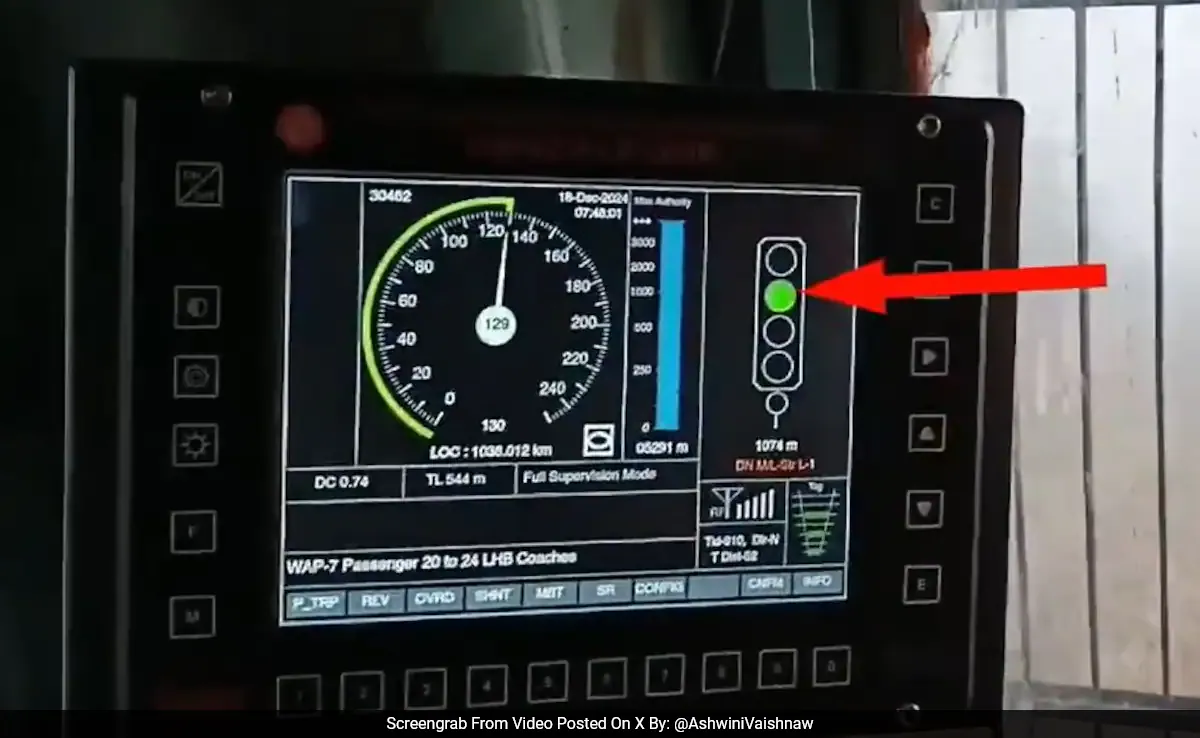
- Achieve near-100% electric traction in railways by 2035, phasing out diesel locomotives.
- Ensure 50% electric buses in city fleets.
- Electric three-wheeler segment to move from over 50% currently to 100%
- Set EV sales targets for other vehicle categories with industry consultation.
- Implement Carbon Credit Trading Scheme (CCTS)
- Operational from April 2026.
- Review after two years, gradually expand coverage to more sectors, including power.
- Tighten emission intensity targets over time to align with net-zero
- Reform Electricity Markets
- Higher renewable share brings intraday and seasonal variability.
- Require reforms shifting from fixed power purchase agreements to exchange-based trading.
- Introduce time-of-day tariffs to influence consumer behaviour and improve grid stability.
- Mobilise Investment and Financing
- Estimated investment needed: $62 billion per year (2026-2035) or 84% of GDP annually.
- 80% should come from domestic sources, including private capital.
- Remaining $12.5 billion per year from international private investment and MDBs (Multilateral Development Bank like World Bank, New Development Bank, Asian Development Bank, etc.).
- MDBs should provide risk-sharing and credit enhancement to leverage private finance.
Implications
- Establishes a clear pathway toward net zero by 2070.
- Strengthens India’s position in international climate negotiations.
- Aligns transition with economic growth, innovation, and employment.
- Creates opportunities for green manufacturing, storage, and export potential.
Challenges and Way Forward
| Challenges | Way Forward |
| No declared year for emissions peak | Announce 2035 as peaking year for credibility |
| High dependence on coal and employment concerns | Retraining, economic diversification, and social safety for coal regions |
| Weak grid capacity and storage limits | Expand grid, accelerate storage, and adopt market-based pricing reform |
| Financial stress in DISCOMs | Reform distribution companies and strengthen financial discipline |
| Large investment requirement | Use domestic capital, private investment, and MDB risk-sharing mechanisms |
| Resistance to electricity price reforms | Build public awareness on time-of-day tariffs |
| Need for national coordination | Revive PM’s Council on Climate Change for unified planning |
Conclusion
A clear 2035 emission peak, strong renewable expansion, coal phase-down, electrification, market reforms, and domestic financing can put India firmly on track to net-zero by 2070. Implementing the seven-point plan will support high growth, improve air quality, reduce future risks, and demonstrate global leadership.
| Ensure IAS Mains Question
Q. Discuss the seven-point strategy required for India’s energy transition over the next decade. How can India balance economic growth with decarbonisation while securing the required financing? (250 words) |
| Ensure IAS Prelims Question
Q. Consider the following statements about India’s proposed climate transition strategy: 1. The target for reducing emission intensity by 2035 is proposed at 65% below 2005 levels. 2. Energy storage capacity needs to rise to around 170 GW by 2035. 3. Coal-based capacity is projected to peak after 2045 in the proposed plan. 4. Renewable energy is expected to contribute around 50% of electricity generation by 2035. Which of the statements given above are correct? a) 1 and 2 only b) 1, 2 and 4 only c) 1, 3 and 4 only d) 1, 2, 3 and 4 Answer: b) 1, 2 and 4 only Explanation: Statement 1 is correct: The plan proposes reducing emission intensity by 65% below 2005 levels by 2035, going beyond the existing 2030 target of 45%, to support a pathway where emissions peak around 2035. Statement 2 is correct: To manage high renewable penetration and variable power supply, energy storage capacity must increase from less than 1 GW at present to around 170 GW by 2035, ensuring reliable grid stability. Statement 3 is incorrect: Coal-based generation capacity is expected to peak around 2030 at about 293 GW and then decline to 230 GW by 2040. Statement 4 is correct: Renewables such as solar and wind are projected to generate about 50% of electricity by 2035, supported by total installation of nearly 1,200 GW of renewable capacity. |