Context
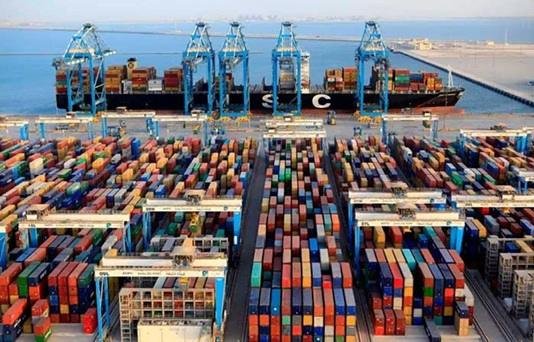
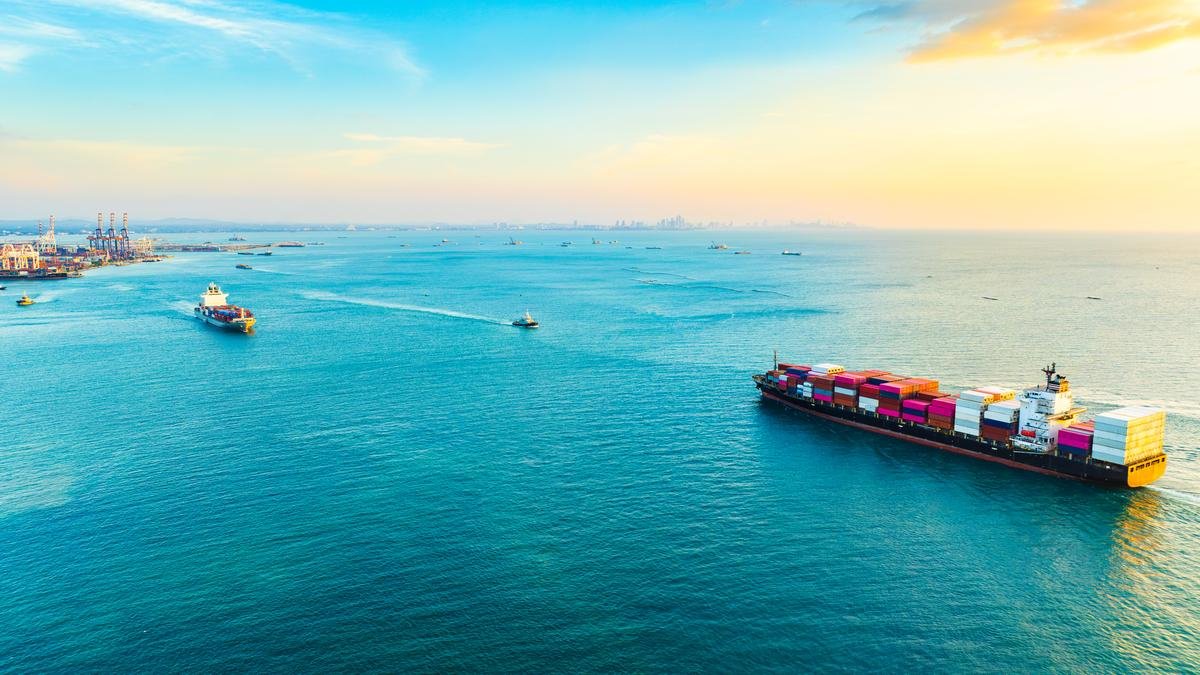
Sagarmala Finance Corporation Ltd. (SMFCL) plans to raise up to ₹1,000 crore through a blue bond, marking a significant step in bringing ocean- and water-related infrastructure to the capital market. The issuance aims to provide long-term financing for India’s maritime sector.
About Blue Bonds
- Definition: Debt instruments that raise funds for ocean-, marine- and water-related projects with measurable environmental benefits.
- Structure: Like conventional bonds, they involve interest payments and repayment of principal at maturity.
- Accountability: Issuers must define eligible projects, measure their environmental impact and report fund utilisation periodically to prevent bluewashing.
- Regulation: SEBI recognises blue bonds as a sustainable finance instrument.
Significance for Sagarmala
- Long-term Finance: Provides longer-duration funding for infrastructure projects with loan tenures of around 12 years.
- Asset-Liability Management: Helps SMFCL reduce the mismatch between the maturity of its infrastructure loans and borrowings.
- Funding Diversification: Expands financing beyond bank loans and government support and may attract insurance companies, pension funds and sustainability-focused investors.
- Project Coverage: Can support coastal shipping, inland waterways, Ro-Ro/Ro-Pax services, inland terminals and cruise infrastructure among Sagarmala’s 200+ identified projects.
- Port Modernisation: Can complement the nearly ₹2.9 lakh crore investment planned for port modernisation through electrification, shore power and energy-efficient cargo handling.
- Sustainable Infrastructure: Can finance cleaner logistics and fishing harbour upgrades where measurable environmental benefits can be demonstrated.
Global Experience
- Market Growth: Global blue bond issuance exceeded $15 billion by mid-2025, up from about $222 million in 2018, according to the World Bank.
- Seychelles: Issued the world’s first sovereign blue bond in 2018 with World Bank
- Belize: In 2021, restructured around $553 million of external debt through an ocean conservation-linked financing arrangement.
- Regional Trend: Asia-Pacific has emerged as a major market for blue and water-related bonds.
Challenges
- No Common Taxonomy: Absence of a universally accepted blue finance taxonomy creates uncertainty over eligible projects.
- Impact Measurement: Environmental benefits such as biodiversity and fish-stock recovery are difficult to quantify financially.
- Limited Investors: The market mainly attracts specialised impact investors, with limited participation from mainstream institutions.
- Project Readiness: Many ocean-related projects lack adequate preparation and bankability for investment.
- Limited Scale: India’s proposed ₹1,000 crore issuance is only 0.17% of Sagarmala’s identified project cost of over ₹6 lakh crore.
Way Forward
- Standardise Framework: Develop clear blue-finance standards and impact indicators to improve investor confidence.
- Build Project Pipeline: Promote investment-ready projects in cleaner ports, sustainable fisheries, coastal infrastructure and inland waterways.
- Strengthen Transparency: Ensure robust monitoring, disclosure and impact reporting to prevent bluewashing.
- Expand Investor Base: Encourage greater participation of institutional and international investors to scale up the blue bond market.
- Leverage Maritime Potential: Use India’s 7,500-km coastline and 95% maritime share of trade by volume to expand ocean-linked financing.
FAQs
Q1. What are blue bonds?
Ans. Blue bonds are debt instruments used to finance projects that provide measurable benefits to oceans, water resources and marine ecosystems.
Q2. Which projects can be financed through blue bonds?
Ans. Projects may include sustainable ports, inland waterways, cleaner logistics, port electrification, fishing harbours and coastal infrastructure with measurable environmental benefits.
Q3. What is bluewashing?
Ans. Bluewashing refers to presenting a project or activity as beneficial to oceans or water systems without adequate evidence of its actual environmental impact.
Q4. How are blue bonds different from green bonds?
Ans. Blue bonds have a specific focus on oceans and water-related outcomes, while green bonds cover a broader range of environmental projects.