Context
A water leakage at the Parbati-II Hydroelectric Project recently flooded areas near Rella village in Kullu, Himachal Pradesh, damaging houses and farmland and forcing evacuations. The incident highlights concerns over the safety of hydropower infrastructure in the Himalayan region.
About the Project
- Location: Kullu district, Himachal Pradesh, on the Parbati River, a major tributary of the Beas River.
- Type: Run-of-the-river hydroelectric project that uses the natural river flow for power generation.
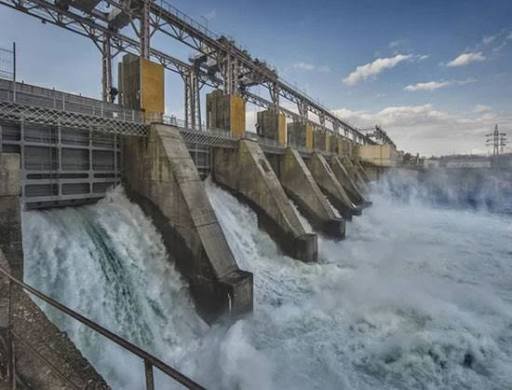
- Infrastructure: An 83.7-metre concrete gravity dam near Pulga village diverts water through a 31.56-km headrace tunnel (HRT) to the powerhouse at Siund in Sainj Valley. The tunnel also receives water from five nalas.
- Key Feature: The 31.56-km HRT is the longest hydroelectric tunnel in India.
- Capacity: 800 MW through four 200-MW units, with expected annual generation of about 3,074 million units (MU) after full commissioning.
Ownership and Power Sharing
- The project is developed and owned by National Hydroelectric Power Corporation (NHPC), with 100% ownership.
- Himachal Pradesh will receive 12% free power from the project, while an additional 1% free power will go to the Local Area Development Fund.
FAQs
Q1. Where is the Parbati-II Hydroelectric Project located?
Ans. It is located in Kullu district, Himachal Pradesh.
Q2. Which river is associated with the project?
Ans. The project is built on the Parbati River, a major tributary of the Beas River.
Q3. What is the installed capacity of Parbati-II?
Ans. Its total installed capacity is 800 MW, comprising four units of 200 MW each.
Q4. Which organisation owns and develops the project?
Ans. The project is being developed and owned by NHPC, which holds 100% ownership.