Context
The Lok Sabha Speaker recently paid tribute to Amrita Devi Bishnoi and other people who died while protecting Khejri trees at Khejadli village, Rajasthan, in the 18th century.
About Khejri Tree
- Khejri (Prosopis cineraria) is a sacred tree and the state tree of Rajasthan.
- It is locally known as Jant/Janti in parts of Alwar, Sikar and Jhunjhunu.
- It naturally occurs in arid and semi-arid regions of Rajasthan, Gujarat, Haryana, Punjab and Delhi, and parts of southern India.
Key Features
- Climate tolerance: It survives extreme heat and cold, with temperatures ranging from about 40–45°C in summer to below 10°C in winter.
- Rainfall Tolerance: Grows in areas receiving about 100–600 mm of annual rainfall and can withstand severe drought.
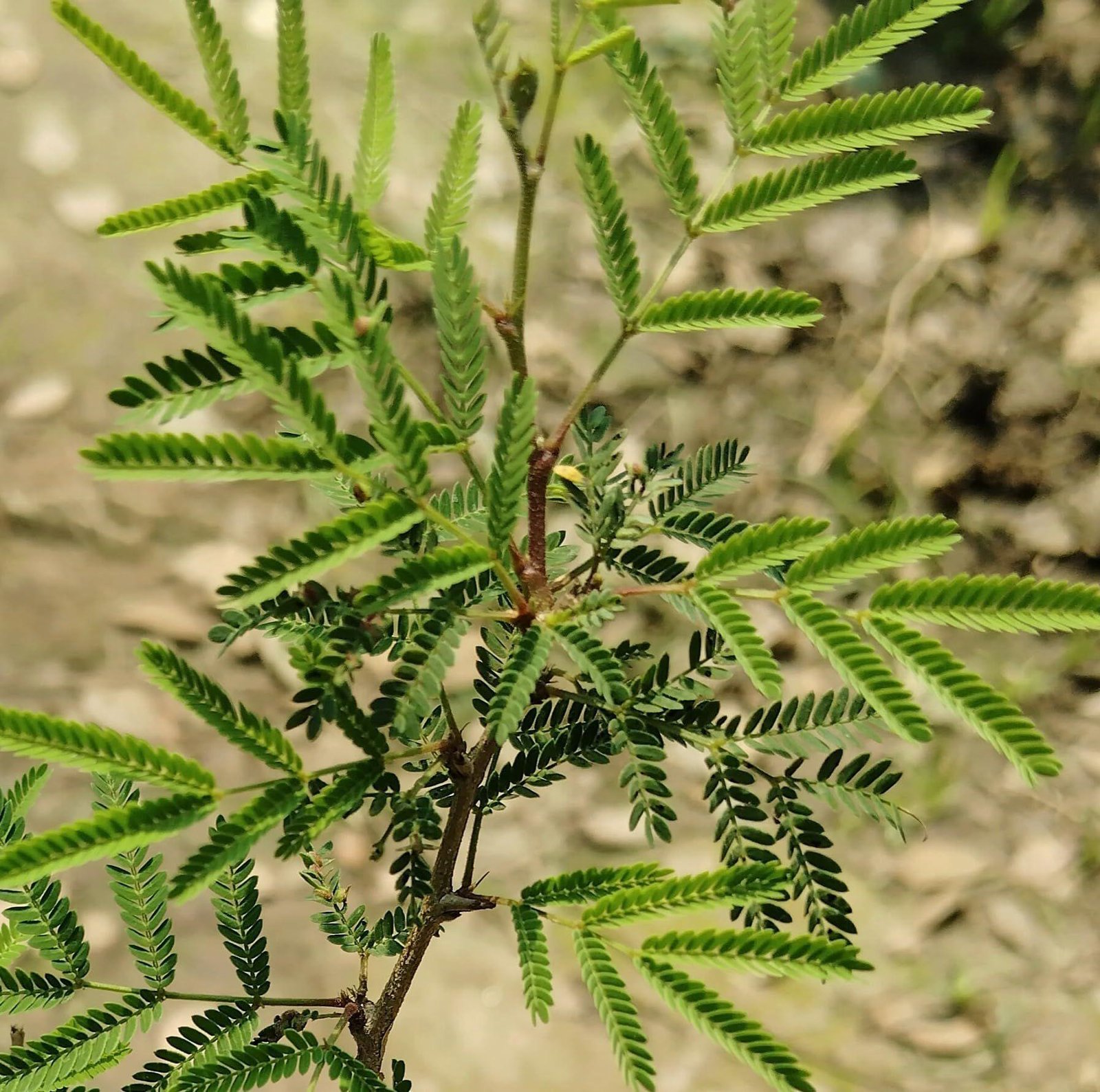
- Soil and vegetation: It is adapted to dry, sandy soils and is a deciduous tree with feathery leaves and small yellow flowers.
Ecological and Economic Significance
- Soil fertility: As a nitrogen-fixing tree, it helps improve soil nutrient availability in dry regions.
- Ecosystem Support: Helps maintain arid and semi-arid ecosystems, including the Thar Desert.
- Livestock support: Its nutrient-rich leaves provide fodder for livestock.
- Food: Its edible pods are used as vegetables and are an important ingredient in the Rajasthani dish Sangri.
- Medicinal use: Its bark is traditionally used for treating various ailments.
FAQs
Q1. Where is Khejri mainly found?
Ans: It occurs mainly in the arid and semi-arid regions of Rajasthan, Gujarat, Haryana, Punjab and Delhi, besides parts of southern India.
Q2. Why is Khejri important for soil fertility?
Ans: Khejri is a nitrogen-fixing tree. It helps improve nutrient availability and soil fertility, especially in dry regions.
Q3. What are the major uses of Khejri?
Ans: Its leaves are used as fodder, pods are consumed as food and used in Sangri, while its bark has traditional medicinal uses.