Context
A 20-year-old Anna University student in Chennai died of scrub typhus in September 2026, bringing renewed attention to this potentially severe but treatable bacterial infection.
The case highlights an important public-health concern: scrub typhus can resemble other common febrile illnesses, making early diagnosis and treatment critical.
What Is Scrub Typhus?
Scrub typhus is an acute bacterial infection caused by Orientia tsutsugamushi.
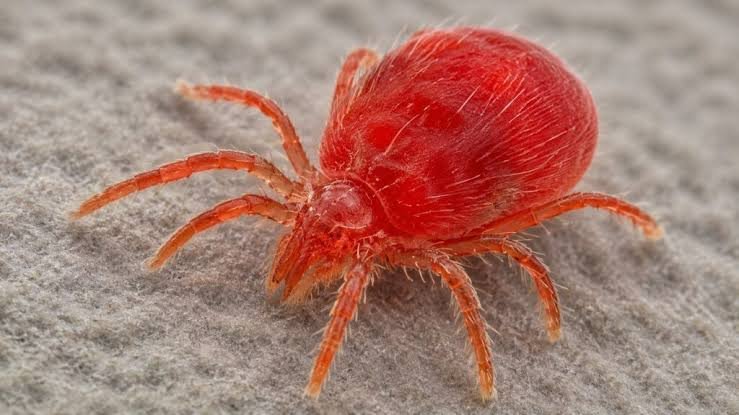
- It spreads through the bite of infected chiggers, the larval stage of trombiculid mites.
- It is not transmitted directly from person to person.
- It occurs mainly across the Asia-Pacific region, including India.
- Exposure is more common in areas with scrub vegetation where infected mites are present.
How Does Infection Occur?
The transmission pathway is:
Infected chigger bite → Bacterial entry → Systemic infection → Febrile illness
Symptoms usually appear within about 7–10 days and may include:
- fever and chills;
- headache;
- muscle and body pain;
- enlarged lymph nodes;
- rash;
- altered mental status in severe cases.
A useful clinical clue is an eschar—a dark, scab-like lesion that may develop at the bite site.
Treatment and Prevention
Treatment
- Doxycycline is commonly used as the treatment of choice.
- Azithromycin may be used in selected situations.
- Early treatment generally improves outcomes.
- There is currently no licensed vaccine.
Prevention
Since prevention depends mainly on avoiding chigger exposure:
- use protective clothing in high-risk areas;
- use appropriate insect repellents;
- avoid dense scrub vegetation where feasible;
- seek early medical evaluation for persistent fever after possible exposure.
Scrub Typhus vs Other Typhus Fevers
- Scrub typhus: Orientia tsutsugamushi → chiggers
- Epidemic typhus: Rickettsia prowazekii → body lice
- Murine typhus: Rickettsia typhi → fleas
This distinction is important for UPSC Prelims, as “typhus” refers to different vector-borne bacterial illnesses rather than a single disease.
FAQs
Q1. What causes scrub typhus?
Orientia tsutsugamushi, a bacterium.
Q2. How is scrub typhus transmitted?
Through the bite of infected chiggers or larval mites.
Q3. What is an eschar?
A dark, scab-like lesion that may develop at the site of the infected mite bite.
Q4. Is scrub typhus contagious?
No. It does not normally spread directly from person to person.
Q5. What is the key public-health concern?
Delayed diagnosis can allow a treatable infection to progress into severe multi-organ disease.