Context
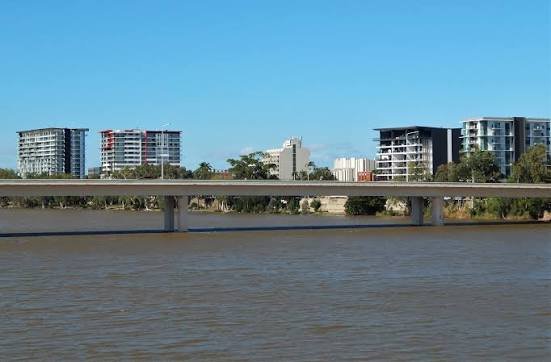
The Fitzroy River in Queensland, Australia, has been selected to host rowing and canoe sprint events at the Brisbane 2032 Olympic and Paralympic Games. The selection has raised attention to event safety and wildlife management because the river is also a habitat for saltwater crocodiles.
About the Fitzroy River
- Location: Located in Queensland, Australia, it flows through Rockhampton, a major regional centre.
- Formation: Formed by the confluence of the Dawson and Mackenzie rivers, on the slopes of the Great Dividing Range.
- Course: Flows about 480 km before draining into Keppel Bay, which opens into the Coral Sea and the Pacific Ocean.
- Catchment: Covers about 142,500 sq. km and supports agriculture, grazing, mining and urban settlements.
- Navigation: Navigable for about 56 km, from Port Alma to Rockhampton.
Significance
- Great Barrier Reef: Its catchment is the largest draining into the Great Barrier Reef Lagoon, making the river important for coastal ecosystem health.
- Flood Management: Its large catchment and heavy rainfall make flooding a major concern in the basin.
- Sports: The Rockhampton section already hosts rowing competitions and training, and has now been approved for rowing and canoe sprint events at the Brisbane 2032 Games.
FAQs
Q1. Where is the Fitzroy River located?
Ans: It is located in Queensland, Australia.
Q2. Which rivers form the Fitzroy River?
Ans: The Dawson River and Mackenzie River join to form the Fitzroy River.
Q3. Where does the Fitzroy River drain?
Ans: It drains into Keppel Bay, which is connected to the Coral Sea and Pacific Ocean.
Q4. What is the approximate length of the Fitzroy River?
Ans: The river is approximately 480 km long.