Context
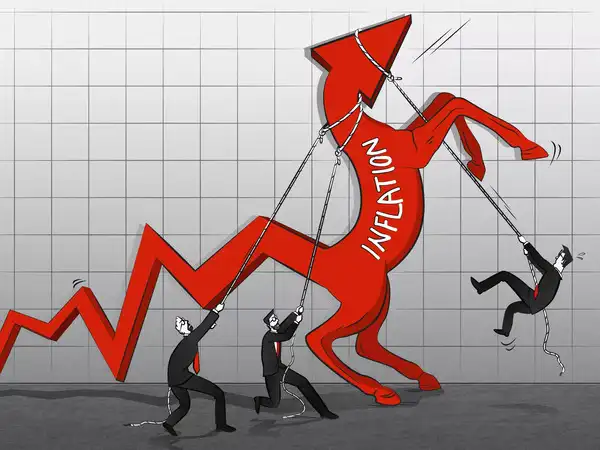
India’s CPI inflation rose to 4.82% in August 2026, the third consecutive month above the RBI’s 4% target, with food inflation at 5.95% and core inflation around 4.2%. With the repo rate at 5.25% and GDP growth at 7.8%, the narrowing gap between inflation and the policy rate is reducing the real policy-rate cushion and raising concerns about monetary restraint.
Real Rate Dynamics and Household Savings
- Real Policy Rate: It is the policy rate minus expected inflation. If inflation expectations approach the 5.25% repo rate, the ex-ante real rate could approach zero, weakening monetary restraint.
- Inflation Expectations: Persistent inflation can raise wage, price and household inflation expectations, making inflation harder to contain even after temporary supply shocks ease. The RBI projects FY2026–27 inflation at around 5%.
- Savings Behaviour: Higher inflation reduces the real return on bank deposits, encouraging households to shift savings towards equities, mutual funds, gold and other assets.
- Gold Demand: IMF analysis found a 0.83 correlation between gold imports and household inflation expectations during 2006Q3–2013Q2, indicating the role of gold as an inflation hedge.
- Bank Funding: A sustained shift from deposits to other assets could weaken banks’ ability to mobilise stable domestic funds for lending.
Factors Affecting Monetary Policy
- Energy and External Risks: West Asian tensions and Strait of Hormuz disruptions have pushed Brent crude towards/above $100 per barrel, raising India’s import costs and risks of imported inflation. A weaker rupee could further increase import prices.
- Food and Core Inflation: Food inflation remains sensitive to monsoon conditions, while core inflation at about 4.2% indicates that price pressures are extending beyond food.
- Strong Credit Demand: Bank credit grew 19.1% year-on-year by end-August 2026, reflecting strong financing demand alongside resilient economic activity.
- Deposit and Funding Dynamics: Bank deposits grew 17.8%, partly due to FCNR(B) inflows under the RBI’s special foreign-currency deposit window. With the credit-deposit ratio at about 80.3%, banks need adequate and stable funding to sustain credit growth.
Policy Challenge
- Managing Supply Shocks: Food and oil price rises may arise from temporary supply disruptions, making aggressive monetary tightening difficult to justify.
- Preventing Inflation Persistence: A key challenge is stopping temporary shocks from spreading to core inflation, wages, prices and inflation expectations.
- Balancing Growth and Price Stability: Strong GDP and credit growth make it challenging to contain inflation without slowing economic activity.
- Timely Policy Response: Delayed action may allow inflation expectations to become persistent, making inflation harder to control and requiring stronger measures later.
Way Forward
- Data-Based Policy: Assess inflation persistence, core inflation, expectations, credit growth and demand before changing policy.
- Anchor Inflation Expectations: Maintain clear communication and credibility around the 4% inflation target to prevent temporary shocks from becoming persistent.
- Manage External Risks: Closely monitor crude prices, the rupee and global financial conditions to contain imported inflation risks.
- Strengthen Banking Stability: Ensure banks maintain stable deposit funding while meeting strong credit demand.
- Address Supply Pressures: Complement monetary policy with measures to manage food and energy supply constraints
FAQs
Q1. What is a real policy rate?
Ans. It is the policy interest rate adjusted for inflation, commonly expressed as the nominal policy rate minus expected inflation. A lower real interest rate makes borrowing easier and reduces the incentive to save, providing less control over inflation.
Q2. What are the major risks to India’s inflation outlook?
Ans. Key risks include food-price pressures, higher crude oil prices, rupee depreciation, West Asian geopolitical tensions and rising core inflation.
Q3. How can inflation affect household savings?
Ans. Higher inflation reduces the real return on deposits, which can encourage households to shift towards gold, equities, mutual funds and other assets.
Q4. What is Core Inflation?
Ans. Core inflation measures the rise in prices excluding food and fuel, which are more volatile.
Q5. What is the Credit-Deposit Ratio (CD Ratio)?
Ans. It is the ratio of a bank’s total loans to its total deposits. A higher ratio indicates greater use of deposits for lending and can signal strong credit demand or tighter funding conditions.