Context
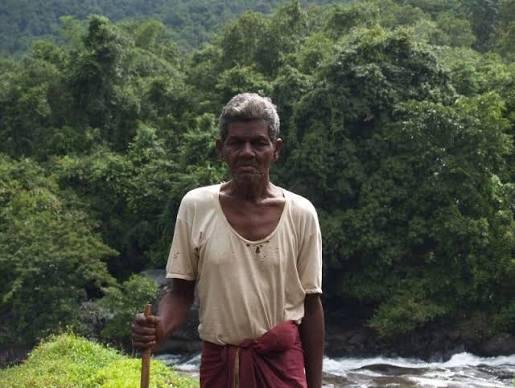
Members of the Cholanaikkan Tribe recently emerged from the forest to receive essential government documents during a special outreach programme organised by the district administration in Kerala.
About Cholanaikkan Tribe
The Cholanaikkans are an indigenous tribal community found exclusively in the Nilambur Valley of the Nilgiri Biosphere Reserve in the Western Ghats of Kerala. They are classified as a Particularly Vulnerable Tribal Group (PVTG).
The community identifies itself as Malanaikan or Sholanaikan, where ‘Shola (Chola)’ means dense forest and ‘Naikan’ means king. Popularly known as the “Cavemen of Kerala”, they are regarded as one of Asia’s last surviving cave-dwelling indigenous communities.
Lifestyle and Social Organisation
The tribe is characterised by the following features:
- They reside in rock shelters and caves, locally known as Kallulai (Kallu – rock; Aalai – cave), generally situated near streams and other water sources and are regarded as one of Asia’s last surviving cave-dwelling indigenous communities.
- The community is organised into smaller social units called Jenmam.
- They do not maintain permanent settlements and move within the forest according to their livelihood needs.
- Their primary livelihood is the collection of forest produce, and they rarely venture outside the forest.
- They speak the Cholanaikkan language, which belongs to the Dravidian language family.
Frequently Asked Questions (FAQs)
Q1. Where is the Cholanaikkan Tribe found?
Ans: The Cholanaikkan Tribe is found exclusively in the Nilambur Valley of the Nilgiri Biosphere Reserve in the Western Ghats of Kerala.
Q2. Why is the Cholanaikkan Tribe considered unique?
Ans: The community is regarded as one of Asia’s last surviving cave-dwelling indigenous communities and is popularly known as the “Cavemen of Kerala.”
Q3. What is the conservation status of the Cholanaikkan Tribe?
Ans: The Cholanaikkans are classified as a Particularly Vulnerable Tribal Group (PVTG), making them eligible for targeted welfare and development interventions.
Q4. What is a ‘Jenmam’ in the Cholanaikkan community?
Ans: Jenmam refers to the smaller social units into which the Cholanaikkan community is traditionally organised.
Q5. What does ‘Kallulai’ mean?
Ans: Kallulai refers to the rock shelters and caves traditionally used by the Cholanaikkans as dwellings. In the local terminology, ‘Kallu’ means rock and ‘Aalai’ means cave.
Q6. Which language is spoken by the Cholanaikkan Tribe?
Ans: The tribe speaks the Cholanaikkan language, which has been classified by linguists as part of the Dravidian language family.