Context
The recently signed US–Iran Memorandum of Understanding (MoU) provides for the downblending of Iran’s highly enriched uranium stockpile under International Atomic Energy Agency (IAEA) supervision as part of efforts to prevent nuclear weapon development and strengthen confidence in the peaceful nature of Iran’s nuclear programme.
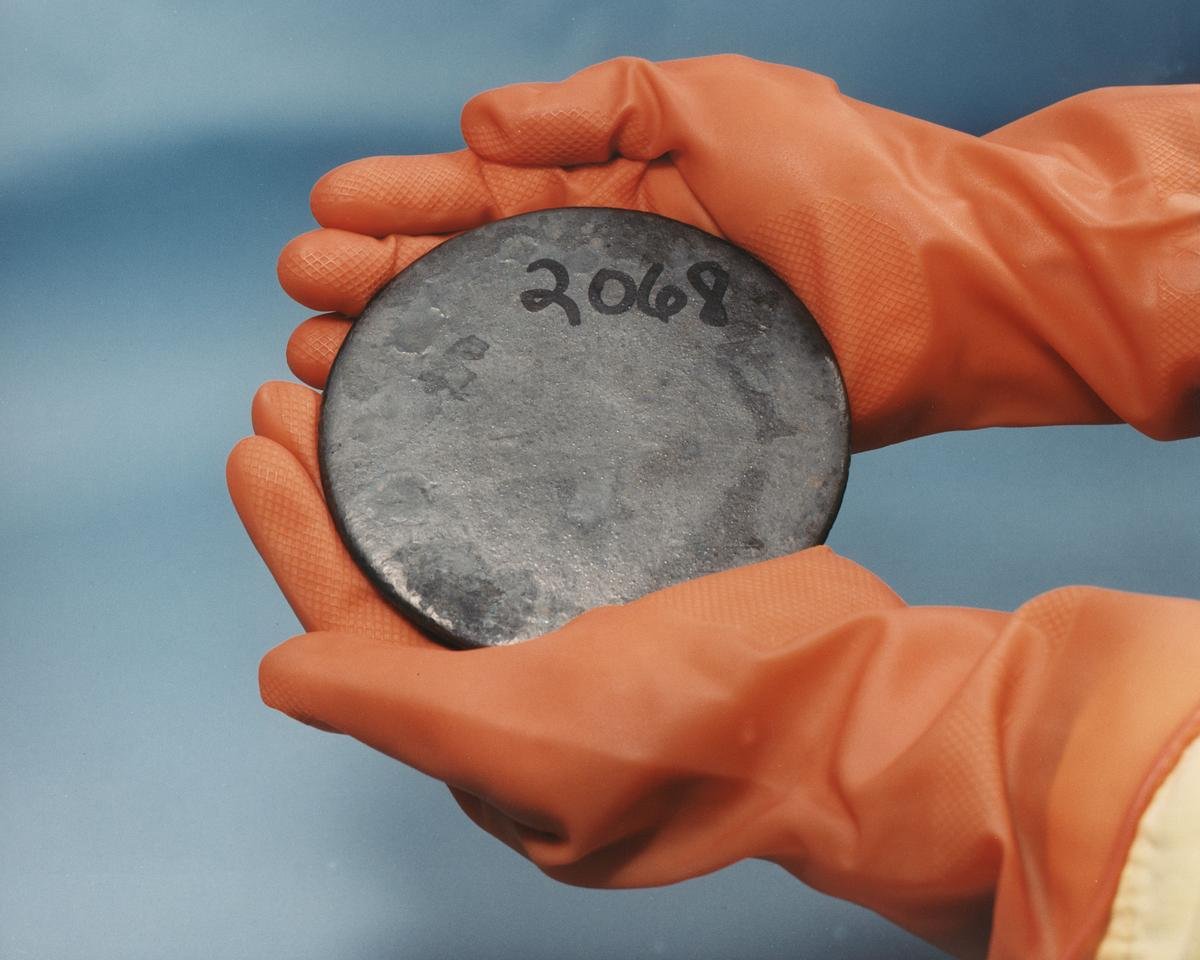
Uranium Enrichment
- Natural uranium primarily contains:
-
- Uranium-238 (U-238): ~99.3%; non-fissile.
- Uranium-235 (U-235): ~0.7%; fissile and capable of sustaining a nuclear chain reaction.
- Uranium enrichment involves increasing the concentration of U-235 above its natural level.
- Major enrichment levels include:
-
- 3–5%: Fuel for commercial nuclear reactors.
- ~20%: Research reactors.
- 90%+: Weapons-grade uranium.
- Iran enriched uranium up to 60% purity, far above civilian reactor requirements and closer to weapons-grade levels.
Uranium Downblending
- Uranium downblending refers to reducing the concentration of U-235 in highly enriched uranium by mixing it with natural, depleted, or low-enriched uranium.
- It is the reverse of enrichment and converts proliferation-sensitive material into forms suitable for peaceful civilian use.
- The process seeks to increase breakout time.
Breakout Time: The minimum time required for a country to produce sufficient weapons-grade fissile material for a nuclear weapon.
- Under the 2015 Joint Comprehensive Plan of Action (JCPOA), Iran was permitted to enrich uranium only up to 67%, a level suitable for civilian reactors but inadequate for weapon production.
Mechanism of Uranium Downblending
- Highly enriched uranium, generally stored as uranium hexafluoride (UF₆), is converted into gaseous form.
- It is blended with natural, depleted, or low-enriched uranium under controlled conditions to achieve the desired enrichment level.
- Continuous monitoring systems verify enrichment levels throughout the process.
- The blended material is subsequently converted into uranium dioxide (UO₂), a commonly used reactor-fuel form.
- Conversion into UO₂ creates an additional technical barrier, as reconversion to UF₆ is required before any future enrichment can occur.
Role of the IAEA
- The International Atomic Energy Agency (IAEA) is the principal international body responsible for promoting the peaceful use of nuclear energy and preventing its military diversion.
- It supervises the downblending process through inspections, surveillance systems, sampling, and laboratory analysis.
- The Agency verifies enrichment levels, applies safeguards, and ensures compliance with international non-proliferation obligations.
- Independent verification is essential for maintaining transparency and international confidence.
Significance
- Reduces the immediate risk of weaponisation by lowering enrichment levels and extending breakout time.
- Strengthens global nuclear non-proliferation and arms-control efforts.
- Enhances transparency and international confidence through independent verification.
- Facilitates the peaceful use of nuclear energy.
- Contributes to regional and global strategic stability.
Limitations
- Iran retains the technical expertise, centrifuges, and infrastructure required for future re-enrichment.
- Monitoring restrictions have created gaps in international oversight of its nuclear programme.
- Since the downblended uranium remains within Iran rather than being transferred to a third country, concerns regarding future re-enrichment persist.
- Technical safeguards alone cannot guarantee compliance without sustained political commitment.
- Long-term effectiveness depends on continuous verification, diplomatic engagement, and mutual trust among stakeholders.
Conclusion
Uranium downblending is a critical non-proliferation measure that reduces immediate proliferation risks by lowering enrichment levels and extending breakout time. However, its long-term success depends on robust IAEA verification, sustained diplomatic engagement, and continued adherence to international nuclear commitments