Context
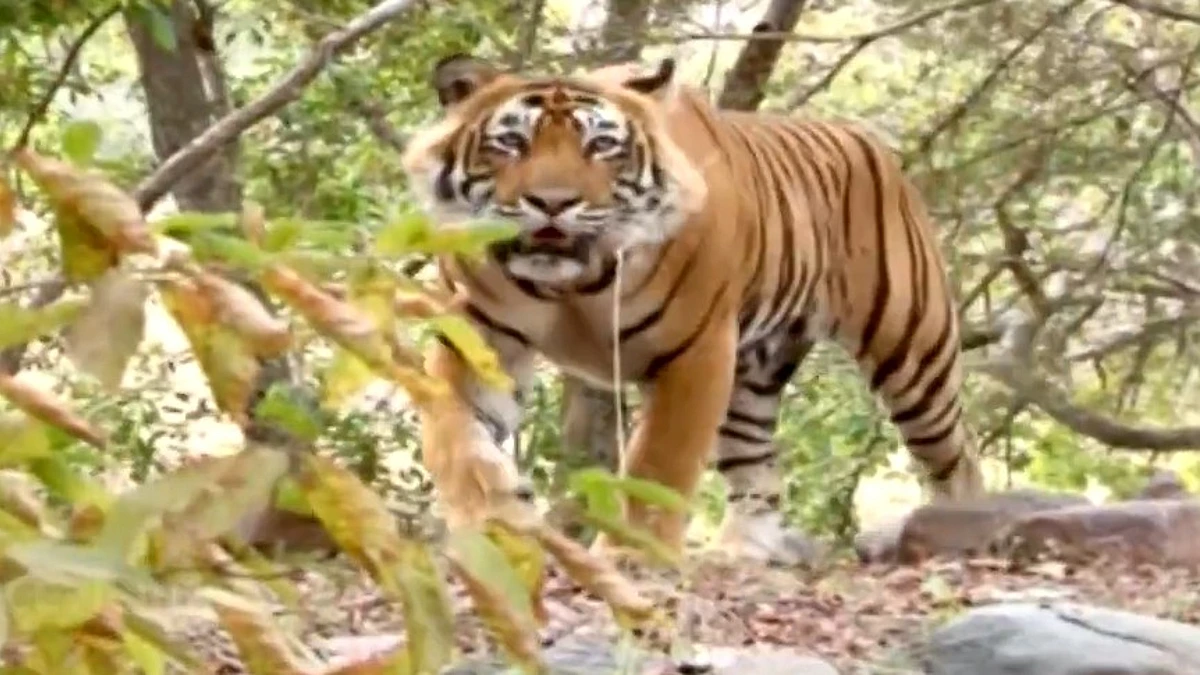
The recent sighting of four melanistic (black) tigers in the Similipal Tiger Reserve of Odisha has once again drawn attention to the reserve’s unique tiger population and its significance for wildlife conservation in India.
About Similipal Tiger Reserve
- Similipal Tiger Reserve is located in the Mayurbhanj district of Odisha and derives its name from the Simul (silk cotton) tree, which grows abundantly in the region.
- Situated in the Deccan Peninsular Biogeographic Zone, it represents a unique convergence of biodiversity elements from the Eastern Ghats, Western Ghats, and Eastern Himalayas.
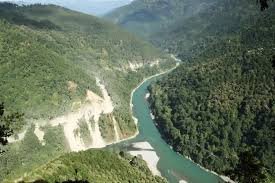
- The reserve is characterised by hills, plateaus, and notable waterfalls such as Barehipani and Joranda, with Khairiburu and Meghashini (1,515 m) forming its highest peaks.
- Its vegetation comprises predominantly moist mixed deciduous forests, along with patches of tropical semi-evergreen forests, dry deciduous forests, and grasslands.
- Sal is the dominant tree species. The reserve harbours nearly 7% of India’s flowering plant species and about 8% of its orchid species.
- Similipal supports rich wildlife, including tigers, elephants, leopards, sambars, and the hill mynah.
- The region is also inhabited by several tribal communities, including the Santhal, Bhumija, Kolha, Bhatudi, Gond, Khadia, Mankidia, and Sahara tribes.