Context
A magnitude 6.0 earthquake recently struck near Honaunau-Napoopoo on the Big Island, highlighting the tectonic and volcanic vulnerability of the Hawaiian island region.
About The Big Island
- It is the largest island in the Hawaiian archipelago and forms part of the U.S. state of Hawaii in the Pacific Ocean.
- Spread across nearly 10,432 sq. km., it is larger than all the other Hawaiian Islands combined.
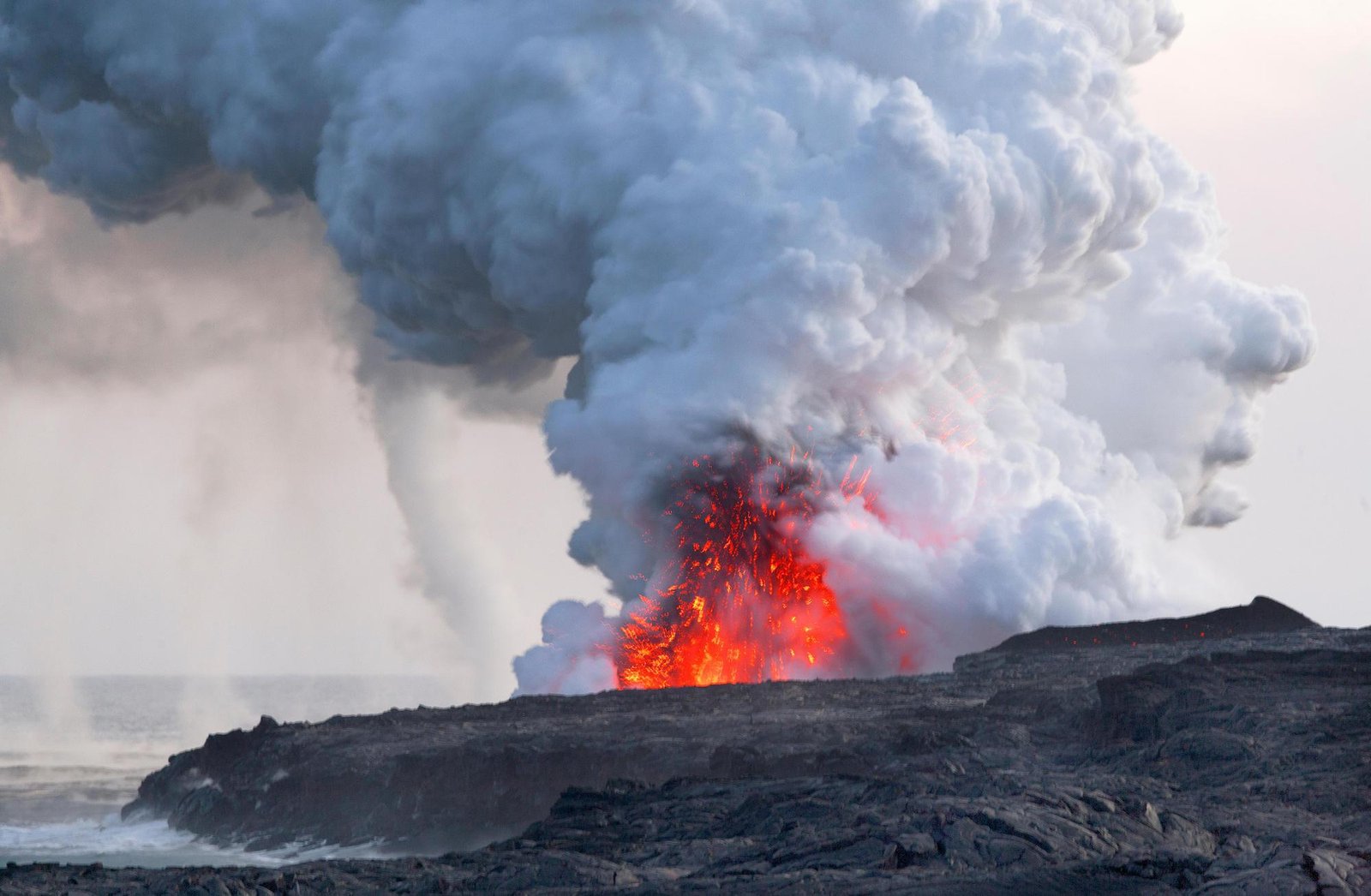
- The island was formed by five volcanoes — Kohala, Hualālai, Mauna Kea, Mauna Loa, and Kīlauea.
- Mauna Loa, the world’s largest volcano by mass and volume, and Kilauea, one of the world’s most active volcanoes, remain volcanically active and continue to shape the island.
- The island experiences varied climatic conditions ranging from tropical rainforests to volcanic deserts and snow-covered summits.
- Hawaii Volcanoes National Park, located on the island, is recognised as a UNESCO World Heritage Site.