Context
World Lupus Day is observed every year on 10 May across the world to raise awareness about lupus, a chronic autoimmune disease and its impact on health.
About Lupus Disease
- The disease is seen more commonly in women than men, and most often develops in the 20–40 years age group, though it can also appear in newborns, children, and older adults.
- Lupus is a chronic autoimmune disorder in which the immune system mistakenly attacks the body’s own healthy tissues instead of defending them.
- It leads to widespread inflammation, which may damage multiple organs such as the brain, skin, kidneys, heart, lungs, joints, and blood cells.
- The exact cause is not known, but it is thought to be linked with genetic, environmental, and hormonal factors.
Clinical Features, Course of Disease, and Management Approach
- Symptoms of lupus vary widely from person to person depending on which organs are affected, making it a highly unpredictable and variable disease.
- The condition typically progresses in a cyclical manner, with flare-ups (active phases of symptoms) followed by remission periods when symptoms reduce or disappear.
- Common manifestations include fatigue, fever, joint pain, skin rashes, headaches, mouth ulcers, confusion, swollen glands, and blood clotting issues.
- If the disease is not properly managed, it can lead to serious complications affecting vital organs such as the kidneys, heart, lungs, and brain.
- Although there is no permanent cure, lupus can be effectively controlled through medications and lifestyle changes, which help reduce symptoms and prevent flare-ups.
Types of Lupus
- Drug-induced lupus develops due to certain medicines and usually goes away once the medication is stopped.
- The most common form, Systemic Lupus Erythematosus (SLE), accounts for about 70% of cases and can affect several organs with varying severity.
- Neonatal lupus, a rare type, occurs in newborns and is associated with maternal antibodies passed from the mother.
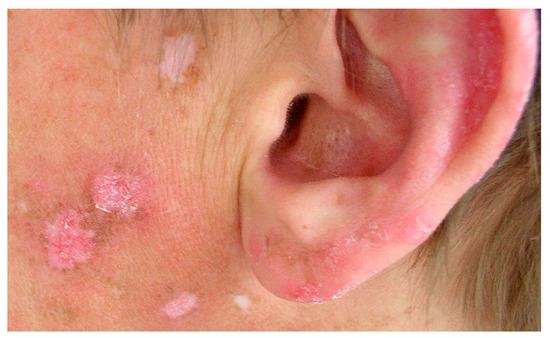
- Subacute cutaneous lupus often leads to skin sores that worsen after exposure to sunlight.
- Discoid lupus mainly affects the skin and causes long-lasting red rashes that do not heal easily.