Context
Shekha Jheel Bird Sanctuary has been designated as a Ramsar Site, increasing India’s total to 99 wetlands of international importance.
What are Ramsar Sites?
- Ramsar Sites are wetlands recognised under the Ramsar Convention for their international ecological importance, especially in conserving biodiversity.
- These wetlands play vital roles in groundwater recharge, flood control, climate regulation, and support livelihoods like fishing and agriculture, making them crucial for both ecology and human sustenance.
About Shekha Jheel Bird Sanctuary
- The sanctuary is located in Uttar Pradesh and represents a typical monsoonal wetland of the Gangetic plains.
- It is a freshwater perennial wetland formed after the construction of the Upper Ganges Canal (1852), which flows adjacent to it.
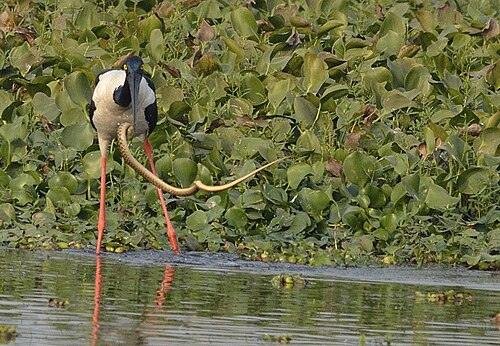
- The site serves as an important stopover for migratory birds along the Central Asian Flyway, enhancing its ecological significance.
- Its vegetation includes submerged plants like Hydrilla, Ceratophyllum, Vallisneria, Potamogeton, and Najas, along with floating species such as Salvinia, Azolla, and Eichhornia, and rooted floating plants like Nymphoides.
- The sanctuary supports diverse fauna, especially migratory birds such as the Bar-headed Goose, Painted Stork, and various duck species, particularly during winter.