Important questions for UPSC Pre/ Mains/ Interview:
|
Context
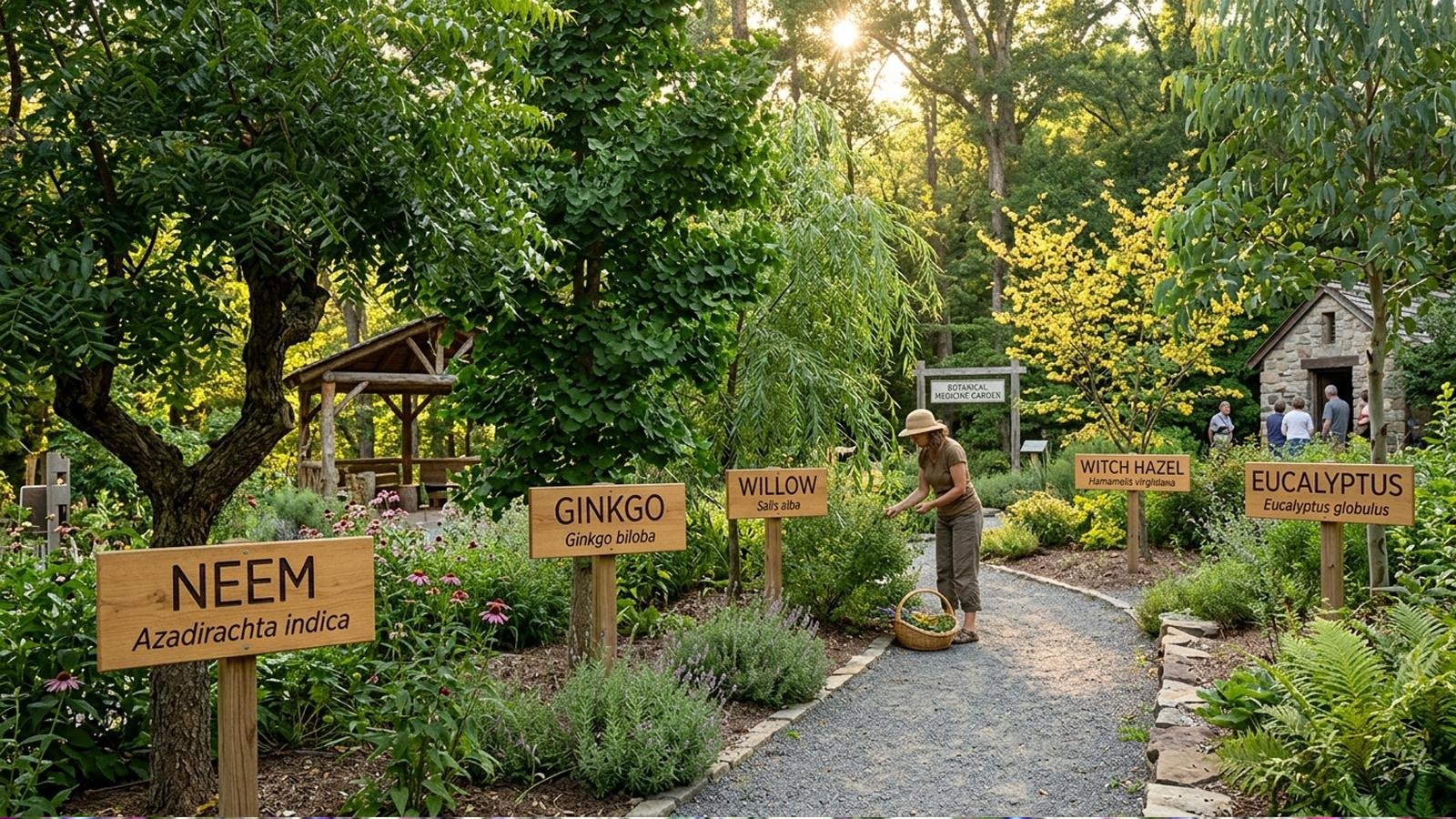
The National Highways Authority of India has launched the ‘Arogya Van’ initiative, focusing on medicinal tree plantations along National Highways. The initiative integrates biodiversity conservation with infrastructure development, promoting ecological sustainability and traditional knowledge systems.
Q1. What is the Arogya Van initiative?
- Thematic plantation of Medicinal trees along highways
- Objective:
- Enhance biodiversity
- Promote ecological sustainability
- Approach: Use of vacant land parcels along highways
- Focus: Ecosystem restoration + public awareness
Q2. What are the key features of the initiative?
- Phase 1 coverage: 17 land parcels with area coverage ~ 62.8 hectares
- Plantation target: ~67,462 medicinal trees
- States covered: MP, Haryana, Delhi-NCR, Gujarat, Karnataka, Tamil Nadu, etc.
- Species: ~36 medicinal plants like Neem, Amla, Jamun, Imli, Lemon, Gular, etc.
Q3. How is the implementation planned?
- Site selection: Toll plazas, Wayside amenities, Interchanges and junctions.
- Criteria: Agro-climatic suitability
- Timeline: Plantation during monsoon season
- Guidelines: As per Government landscaping norms
Q4. How does this initiative support biodiversity?
- Promotes pollinators (bees, butterflies), birds and microfauna.
- Enhances ecosystem resilience
- Creates green corridors along highways
- Improves habitat connectivity
Q5. What is its link with traditional medicine systems?
- Supports Ayurveda and indigenous medicine
- Conserves medicinal plant diversity
- Acts as living repository of knowledge
- Promotes public awareness of traditional practices
Q6. What are the benefits of the initiative?
- Environmental: Increased green cover and climate resilience
- Economic: Potential for medicinal plant value chains
- Social: Awareness about sustainable living and traditional knowledge
- Infrastructure: Integrates ecology with development
Q7. What are the challenges and way forward?
- Challenges
- Maintenance of plantations
- Survival rates of saplings
- Coordination across states
- Way Forward
- Community participation
- Regular monitoring and maintenance
- Expansion to more highway stretches
- Integration with climate action strategies
Conclusion
The Arogya Van initiative reflects a shift toward eco-sensitive infrastructure development, combining biodiversity conservation with cultural awareness. If implemented effectively, it can create sustainable green corridors while preserving India’s medicinal plant heritage.