Context
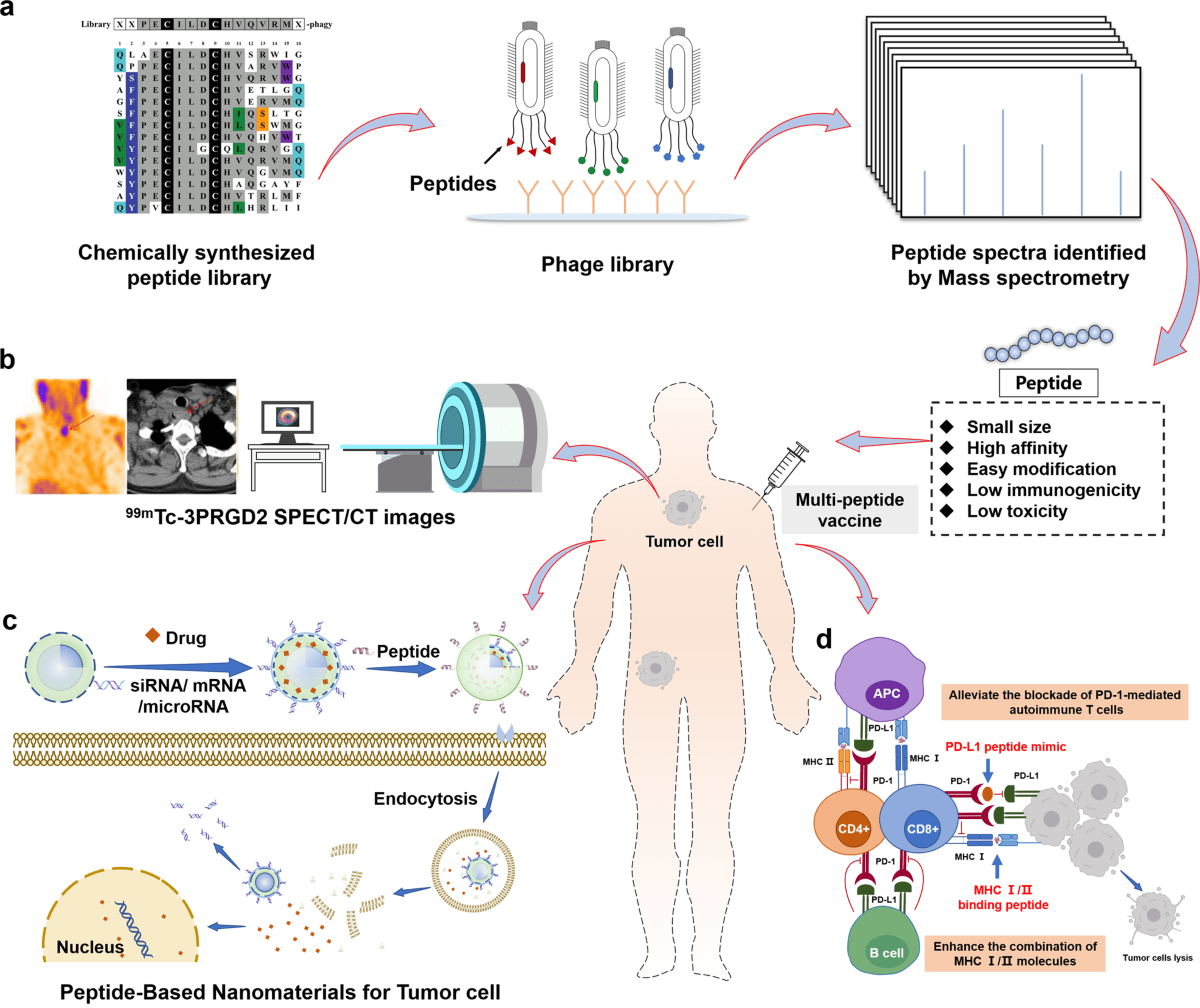
Peptide-based medicines are gaining global attention for their precision in targeting specific biological processes, making them a promising frontier in modern medicine and biotechnology.
Q1. What are Peptides?
Peptides are naturally occurring short chains of amino acids. These amino acids are connected by peptide bonds (chemical bonds), forming a specific sequence. They play vital biological roles and are involved in numerous physiological processes that sustain life.
Q2. What are Amino Acids?
- Amino acids are organic molecules that combine to form proteins and peptides, making them the basic building blocks of life. There are 20 different amino acids used in human proteins.
- The human body can produce some amino acids internally, while others (known as Essential Amino Acids) must be obtained through diet (Nine Essential Amino Acids – Histidine, Isoleucine, Leucine, Lysine, Methionine, Phenylalanine, Threonine, Tryptophan, and Valine).
Q3. How are peptides different from proteins?
| Basis | Peptides | Proteins |
| 1. Definition | Short chains of amino acids connected by peptide bonds. | Large biomolecules made of long chains of amino acids. |
| 2. Composition | Consist of 2–50 amino acids, usually forming a single short chain. | Contain more than 50 amino acids and may consist of multiple peptide chains (polypeptides). |
| 3. Structure | Generally have simpler and less complex structures. | Exhibit complex structural levels such as secondary, tertiary, and sometimes quaternary structures. |
| 4. Relationship | Can act as smaller units that form proteins. | Can be broken down by enzymes into smaller peptide fragments during digestion. |
Q4. What functions do peptides perform in the body?
- Human body produces many different peptides, each carrying out specific biological roles like:
- Acting as signalling molecules such as hormones, which help regulate body processes.
- Supporting muscle growth and repair.
- Providing anti-inflammatory effects.
- Influencing processes related to aging and cellular health.
- Because of these biological roles, peptides are increasingly used in medical treatments and health supplements, which may be derived from food sources or produced synthetically.
FAQs
Q1. What are peptides in biology?
Peptides are short chains of amino acids linked by peptide bonds. They occur naturally in the body and regulate vital physiological processes.
Q2. What are amino acids and how do they relate to peptides?
Amino acids are the building blocks of proteins and peptides. Of the 20 amino acids in humans, 9 are essential (e.g., leucine, lysine, tryptophan) and must be obtained through diet.
Q3. What functions do peptides perform in the human body?
They act as hormones, signaling molecules, muscle repair agents, anti‑inflammatory compounds, and influence aging and cellular health.