Important Questions for UPSC Prelims / Mains / Interview
|
Context
Recent medical studies have reported expanding treatment options for Cushing’s Syndrome, improving the management of this hormone-related disorder and raising awareness about its diagnosis and treatment.
Q1. What is Cushing’s Syndrome?
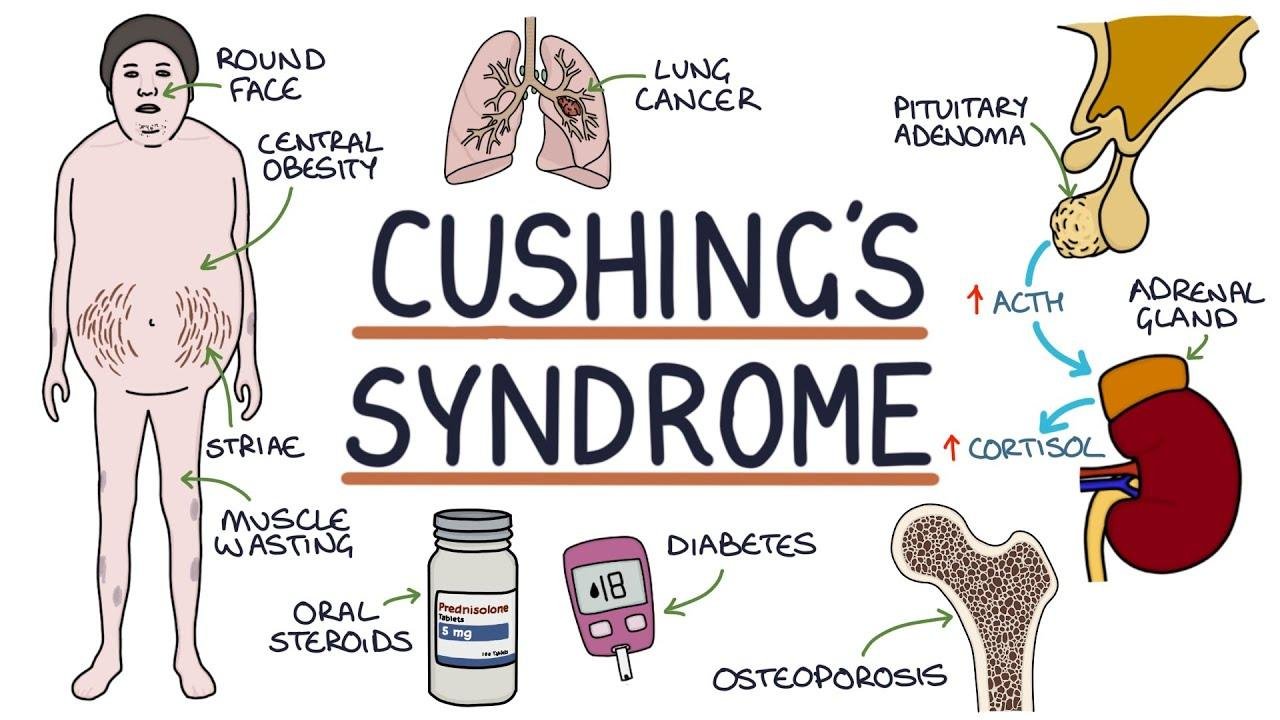
- Cushing’s syndrome is a hormonal disorder that occurs when the body is exposed to excess cortisol for a prolonged period of time.
- Cortisol is produced by the Adrenal glands and plays an important role in regulating blood pressure, metabolism, immunity, and the body’s response to stress.
- When cortisol levels remain abnormally high, it disrupts several bodily functions and leads to multiple physical and metabolic changes.
Q2. What are the main causes of Cushing’s Syndrome?
- Long-term Use of Steroid Medicines
- The most common cause is prolonged use of corticosteroid medicines prescribed for conditions such as asthma, autoimmune diseases, arthritis, or after organ transplantation.
- These medicines mimic cortisol and can raise hormone levels in the body.
- Excess Cortisol Produced by the Body: In some cases, the body produces too much cortisol on its own due to tumors.
- A non-cancerous tumour in the pituitary gland can lead to excessive production of cortisol-regulating hormones.
- This condition is specifically known as Cushing’s disease.
Q3. What are the major signs and symptoms of Cushing’s Syndrome?
- Physical Changes
- Significant weight gain, particularly around the abdomen and face.
- Development of fat accumulation between the shoulders, often called a “buffalo hump.”
- Skin Changes
- The skin becomes thin and bruises easily.
- Wounds may heal slowly.
- Wide purple stretch marks may appear on the abdomen, thighs, breasts, or arms.
- Hormonal and Metabolic Effects
- Acne and increased facial or body hair, particularly in women.
- Women may experience irregular or absent menstrual periods.
- Men may experience reduced libido or fertility issues.
- Metabolic Disorders
- Many individuals develop high blood pressure and high blood sugar levels.
- Some patients may develop diabetes.
- Bone and Mental Health Effects
- Bone loss may lead to osteoporosis and fractures.
- Psychological symptoms may include anxiety, irritability, depression, mood swings, sleep problems, and memory issues.
Q4. Who is at greater risk of developing Cushing’s Syndrome?
- Women are more commonly affected than men in naturally occurring cases.
- The condition most frequently occurs between the ages of 30 and 50 years.
- Individuals receiving long-term steroid treatment for chronic diseases are also at higher risk.
Q5. What are the treatment options for Cushing’s Syndrome?
- Treatment depends on the underlying cause and aims to restore normal cortisol levels.
- Adjustment of Steroid Medication: If steroid medicines are responsible, doctors gradually reduce the dosage under medical supervision to avoid withdrawal complications.
- Surgical Treatment: If a tumour is causing excess cortisol production, surgical removal of the tumour is usually the first line of treatment.
- Additional treatments may include medications or other medical interventions to control cortisol production if surgery is not effective or possible.
Conclusion
Cushing’s Syndrome is a serious endocrine disorder caused by prolonged exposure to excess cortisol. It leads to multiple physical, metabolic, and psychological health problems. Early diagnosis and appropriate treatment—whether through medication adjustments or surgery—are essential to restore hormonal balance and prevent long-term complications. The development of new treatment options is expected to improve outcomes for patients affected by this condition.