Important questions for UPSC Pre/ Mains/ Interview:
|
Context
Disruptions in oil flows through the Strait of Hormuz amid the West Asia conflict have raised concerns about India’s energy security. To maintain supply continuity, the government and public sector refiners are considering increasing imports of Russian crude as an alternative source.
Q1. Why is the Strait of Hormuz critical for India’s energy imports?
- Around 2.5–2.7 million barrels per day of India’s crude imports pass through the Strait of Hormuz.
- This accounts for nearly half of India’s total crude oil imports.
- Major suppliers include Iraq, Saudi Arabia, the UAE, and Kuwait.
- India is the world’s third-largest crude oil consumer and imports over 88% of its oil requirements.
- A significant share of natural gas imports from West Asia also passes through this maritime route.
Thus, disruptions in the Strait directly affect India’s energy supply chain.
Q2. What makes the Strait of Hormuz a global energy chokepoint?
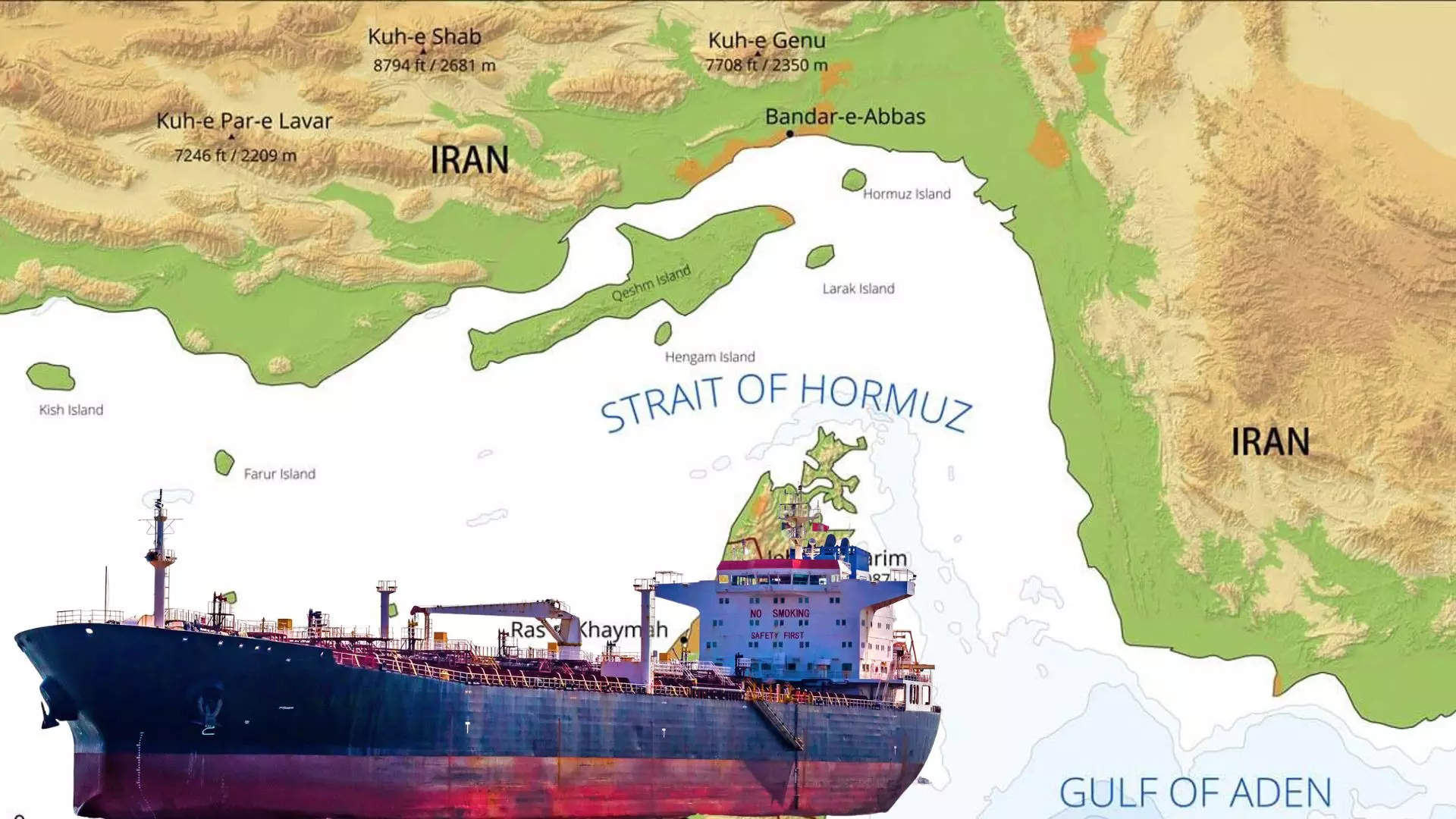
- The Strait lies between Iran and Oman, linking the Persian Gulf with the Arabian Sea.
- It is the world’s most important oil transit chokepoint, handling about one-fifth of global petroleum and LNG trade.
- A large portion of oil exports from Gulf producers passes through this narrow passage.
- Military tensions in the region can quickly disrupt shipping and insurance markets.
- Even temporary threats can cause shipping suspensions, higher freight costs, and global oil price volatility.
Its strategic location makes the Strait central to global energy security.
Q3. Why is India considering Russian crude as an alternative supply?
- Russian crude is currently available in large volumes in the Indian Ocean and Arabian Sea.
- Approximately 10 million barrels of Russian oil are estimated to be in floating storage in Asian waters.
- Earlier reductions in Russian imports during trade negotiations with the United States created space for renewed purchases.
- Russian crude often sells at discounted prices, making it economically attractive.
- The availability of nearby cargoes enables faster procurement compared to distant suppliers.
Therefore, Russian oil provides a flexible short-term substitute if Gulf supplies are disrupted.
Q4. What buffers does India currently have against supply disruptions?
- Indian refiners hold over 10 days of crude oil inventory.
- About one week’s supply of refined fuel stocks is also available.
- India’s Strategic Petroleum Reserves (SPR) provide roughly another week of crude supply.
- These buffers offer temporary protection against short-term supply shocks.
- The reserves allow time for the government to rearrange import sources and stabilise markets.
Such strategic stockpiles are a key component of energy security planning.
Q5. Which energy supplies are most vulnerable to a prolonged disruption?
- Liquefied Petroleum Gas (LPG) is India’s biggest vulnerability.
- The country imports 80–85% of its LPG, mainly from Gulf countries through Hormuz.
- Unlike crude oil, India lacks large strategic LPG reserves.
- Around 60% of India’s LNG imports also pass through the Strait.
- Global LNG spot markets are relatively tight, limiting alternative supply options.
Therefore, LPG and LNG shortages could emerge faster than crude oil disruptions.
Q6. What alternative sourcing options are available for India?
- India can increase crude imports from Russia.
- Other suppliers include the United States, West Africa, and Latin America.
- Spot purchases from global markets may help bridge temporary gaps.
- Drawing from strategic petroleum reserves can stabilise domestic supply.
- Diversification of import routes and suppliers reduces dependence on any single chokepoint.
Such diversification strategies are essential for long-term resilience.
Q7. How might prolonged disruption affect global and domestic markets?
- Sustained closure of the Strait could tighten global oil supplies and raise prices.
- Shipping insurance premiums and freight costs would increase.
- India could face higher fuel prices and inflationary pressures.
- Energy-importing economies may experience economic and fiscal stress.
- Global geopolitical tensions could intensify around energy security.
The scale of impact will largely depend on the duration of the disruption.
Conclusion
The Strait of Hormuz remains a vital artery of global energy trade and a critical supply route for India. While short-term buffers and alternative suppliers such as Russia can mitigate immediate disruptions, prolonged instability would expose vulnerabilities in India’s oil, LPG, and LNG supply chains. Strengthening strategic reserves, diversifying energy sources, and expanding domestic energy capacity will be essential for enhancing long-term energy security.