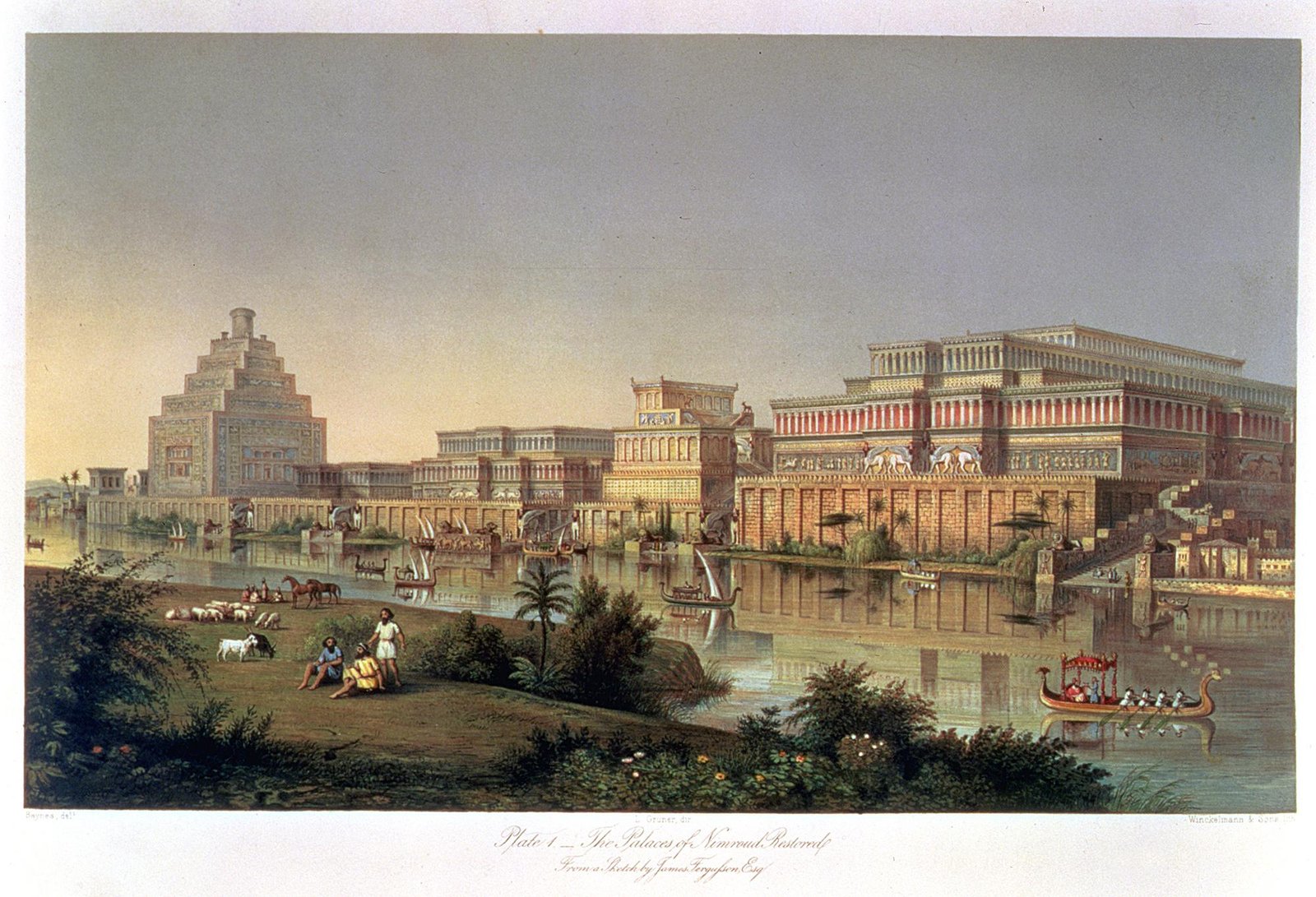
The Mauryan Empire stands as a watershed juncture in Indian history, representing the first time a large portion of the subcontinent, extending into the far northwest, was unified under a single supreme power. Founded by Chandragupta Maurya after overthrewing the Nanda dynasty, the empire transformed the political landscape of South Asia. It established a sophisticated bureaucracy, a powerful standing army, and a revolutionary code of social ethics known as Dhamma under Emperor Ashoka.
Geographically, the empire corresponded to the Northern Black Polished Ware (NBPW) era, with its nerve center located at Pataliputra (modern-day Patna).
Chronology of Mauryan Rulers and Their Contributions
The Mauryan dynasty saw a succession of powerful monarchs who expanded and consolidated the first great Indian empire.
| Ruler | Reign | Key Contributions & Facts |
| Chandragupta Maurya | 321–297 BCE | Founded the empire; defeated Seleucus Nicator (305 BC); authored the first pan-Indian unification. Became a Jain monk under Bhadrabahu. |
| Bindusara | 297–273 BCE | Known as Amitraghata (Slayer of enemies); expanded the empire into the Deccan and the “land between two seas” (Arabian Sea & Bay of Bengal). |
| Ashoka the Great | 272–232 BCE | Conquered Kalinga; converted to Buddhism; pioneered direct communication with subjects via edicts; propagated Dhamma. |
| Dasharatha | 232–224 BCE | Ashoka’s grandson; last to issue imperial inscriptions; issued cave grants to Ajivikas. |
| Samprati | 224–215 BCE | Ruled from Pataliputra and Ujjain; great patron of Jainism; reconquered disintegrated provinces like Saurashtra and Andhra. |
| Brihadratha | 187–185 BCE | The last Mauryan Emperor, assassinated by his commander-in-chief, Pushyamitra Shunga. |
Primary Sources of Mauryan History
Our understanding of this period is reconstructed through a rich variety of literary and archaeological evidence:
- Literary Sources: Kautilya’s Arthashastra (statecraft), Megasthenes’ Indica (account of a Greek ambassador), and Buddhist chronicles like Mahavamsa and Dipavamsa.
- Epigraphy: The Ashokan Inscriptions (Rock Edicts and Pillar Edicts) found across the subcontinent.
- Archaeology: Remains at Bulandi Bagh and Kumrahar (Pataliputra), and the characteristic Northern Black Polished Ware (NBPW).
Mauryan Administration and Economy
The Mauryan state was a highly centralized and efficient machine, focusing on resource extraction and agrarian expansion.
Land Revenue and Taxation
The Mauryans evolved the first systematic taxation structure in ancient India.
- Samaharta: The Collector General of revenue responsible for both income and expenditure.
- Sannidhata: The officer-in-charge of the treasury and stores.
- Bhaga: The primary land tax, usually 1/4th to 1/6th of the produce.
- Sita Lands: Crown lands owned directly by the state and managed by the Sitadhyaksa (Superintendent of Agriculture).
Trade and Guilds
- Trade Routes: Significant routes connected Taxila (overland to the West) with Pataliputra, extending further to Kalinga and the Deccan.
- Guild System: Artisans were organized into guilds (Srenis) including metallurgists, potters, and weavers.
- Currency: The silver Pana was the standard currency used for trade and paying state officials.
Society, Religion, and the Policy of Dhamma
Mauryan society was diverse, characterized by religious tolerance and complex social hierarchies.
Social Stratification
According to Megasthenes, Indian society was divided into seven groups: philosophers, cultivators, herders, artisans, overseers, and counselors. Intermarriage between these hereditary groups was prohibited.
Status of Women and Slavery
- Women: Occupied high positions, including serving as the King’s personal bodyguards. They had the right to remarry and divorce.
- Slavery: While Megasthenes claimed slavery did not exist, Indian sources like the Arthashastra detail various types of enslavement (war captives, judicial punishment). Ashoka’s Major Rock Edict V specifically calls for the humane treatment of slaves.
Ashoka’s Dhamma
Dhamma was a code of ethical conduct rather than a religious dogma. It emphasized:
- Tolerance: Respect for all religious sects.
- Non-violence: Abandonment of war (Bherighosha) in favor of cultural conquest (Dhammaghosha).
- Social Responsibility: Obedience to parents and humane treatment of servants and animals.
The Decline of the Mauryan Empire
The collapse of the empire by 185 BCE was a result of several internal and external pressures:
- Weak Successors: Following Ashoka’s death, a series of short-lived rulers failed to maintain a centralized command.
- Economic Strain: The massive costs of maintaining a large army and a vast bureaucracy led to financial crises. Kautilya even suggested taxing actors and prostitutes to boost revenue.
- Administrative Oppression: Powerful provincial officials (Dhamma-mahamattas) reportedly became oppressive, leading to local rebellions.
- Military Coup: The final blow was dealt by Pushyamitra Shunga, who assassinated Brihadratha during a military parade, establishing the Shunga dynasty.
FAQs: The Mauryan Empire
WHO WAS THE FOUNDER OF THE MAURYAN EMPIRE?
Chandragupta Maurya founded the empire in 321 BCE after defeating the Nanda King Dhana Nanda with the help of Chanakya (Kautilya).
WHAT WAS THE SIGNIFICANCE OF THE TREATY WITH SELEUCUS NICATOR?
In 303 BCE, Seleucus ceded the territories of Kandahar, Baluchistan, and Kabul to Chandragupta, securing the Mauryan northwest frontier.
WHICH GREEK AMBASSADOR WROTE THE BOOK “INDICA”?
Megasthenes, who resided at the court of Chandragupta Maurya, wrote Indica, providing a detailed account of Mauryan administration and society.
WHAT WERE THE “RESERVED” SUBJECTS IN MAURYAN AGRICULTURE?
Agriculture on crown lands, known as Sita lands, was directly supervised by the state official called Sitadhyaksa.
WHY DID ASHOKA INVADE KALINGA?
Kalinga was a prosperous coastal region with a strong navy and vital ports; its independence was seen as a strategic threat to Mauryan trade routes.
WHAT IS THE DIFFERENCE BETWEEN BHERIGHOSHA AND DHAMMAGHOSHA?
Bherighosha refers to the sound of war drums for territorial conquest, while Dhammaghosha refers to the drum of righteousness for cultural and moral conquest.
WHO WAS THE COLLECTOR GENERAL OF REVENUE IN THE MAURYAN EMPIRE?
The Samaharta was the chief official responsible for the collection of revenue and monitoring expenditures.
WHAT WAS THE “PANA” IN THE MAURYAN ECONOMY?
The Pana was the official silver punch-marked coin used for commercial transactions and state salaries.
WHICH SECT DID BINDUSARA FOLLOW?
Bindusara was a patron and follower of the Ajivika sect, a non-Vedic school of Indian philosophy.
WHO WAS THE LAST MAURYAN RULER?
Brihadratha was the last Mauryan king, assassinated by his general Pushyamitra Shunga in 185 BCE.