- The Ministry of Health and Family Welfare is set to launch a nationwide HPV vaccination programme targeting girls aged 14 years.
- About Human Papillomavirus (HPV)
- It is the most common sexually transmitted infection (STI) globally.
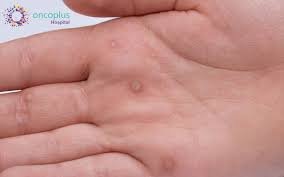
- Types: There are 100+ types of HPV. Most types do not cause health problems. Some types cause warts. Certain high-risk types cause cancer. More than 95% of cervical cancer cases are linked to HPV infection.
- Transmission: HPV spreads through skin-to-skin contact, mainly via vaginal, anal or oral sex. About 80% of people (men and women) will acquire HPV at some point in life.
- Symptoms: Most infected individuals do not show symptoms, are unaware of infection and clear the virus naturally. However, persistent infection can lead to precancerous lesions, cervical cancer, cancers of the mouth & throat and genital or anal warts.
- Treatment: There is no cure for HPV infection. Medical treatment targets warts or cancerous changes, not the virus itself.
- HPV Vaccination
- The HPV vaccine is given as a series of shots. It prevents high-risk HPV infections and protects against cervical cancer and genital warts.
- It is most effective when given between 9–26 years and less effective if administered after infection.
- It is not given during pregnancy.
FAQs
Q1. What is Human Papillomavirus (HPV)?
Human Papillomavirus (HPV) is the most common sexually transmitted infection worldwide, with over 100 types. Some cause harmless warts, while high-risk types are linked to cancers.
Q2. How is Human Papillomavirus (HPV) transmitted?
It spreads through skin-to-skin contact, mainly via vaginal, anal, or oral sex. Around 80% of people will acquire HPV at some point in life.
Q3. What are the symptoms of Human Papillomavirus (HPV)?
Most infected individuals show no symptoms and clear the virus naturally. Persistent infection can lead to cervical cancer, precancerous lesions, genital warts, and cancers of the mouth or throat.
Q4. Is there a cure for Human Papillomavirus (HPV)?
There is no cure for HPV infection. Medical treatment targets warts or cancerous changes, not the virus itself.
Q5. What is the Human Papillomavirus (HPV) vaccine?
The HPV vaccine prevents high-risk infections and protects against cervical cancer and genital warts. It is most effective when given between ages 9–26, and is not administered during pregnancy.