Context
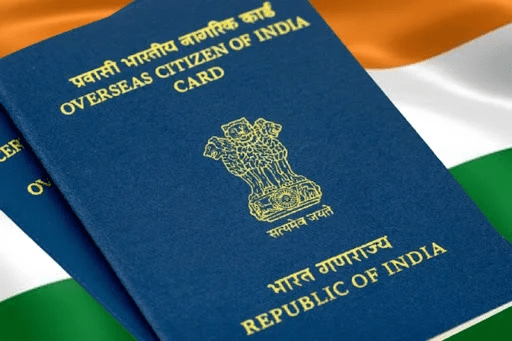
Recently, the Supreme Court of India rejected a request by an Overseas Citizen of India (OCI) cardholder seeking membership in a State Bar Council.
What Is the OCI Scheme?
- The OCI scheme was introduced in 2005 through amendments to the Citizenship Act, 1955.
- Its objective was to provide a special legal status to persons of Indian origin living abroad, allowing closer engagement with India without granting full citizenship.
- OCI is not dual citizenship.
OCI cardholders do not get political rights, such as voting or contesting elections. - OCI represents a privileged residency status, not Indian nationality.
- OCI is not dual citizenship.
Key Benefits Available to OCI Cardholders
- Travel Rights: Lifelong multiple-entry visa to India.
- Economic and Educational Parity: Treated on par with NRIs in financial, economic, and educational matters. However, this equality does not extend to purchase of agricultural land and plantation properties.
- Restricted Activities: For certain activities such as research or missionary work, prior government permission is mandatory. So, while OCI offers broad access, it remains regulated and conditional.
Who Is Eligible for OCI?
- Eligibility is mainly based on Indian origin. OCI can be granted to:
- Persons of Indian Origin who were citizens of India on or after 26 January 1950, or
- Those who were eligible to become Indian citizens on that date, or
- Individuals belonging to territories that became part of India after 15 August 1947.
- In simple terms, people with verifiable ancestral links to India may qualify.
- Explicit Exclusions: The scheme clearly bars certain categories:
- No person is eligible if they, or their parents, or their grandparents were citizens of Pakistan, Bangladesh or any other country notified by the Government of India.
- These exclusions are rooted in national security considerations.
Conclusion
The OCI scheme reflects India’s outreach to its global diaspora while firmly preserving the constitutional distinction between citizens and non-citizens. Clear legal interpretation, as reaffirmed by the Supreme Court, ensures this balance is maintained.
FAQs
Q1. What is the OCI scheme?
The Overseas Citizen of India scheme was introduced in 2005 via amendments to the Citizenship Act, 1955. It provides a special legal status to persons of Indian origin abroad, but it is not dual citizenship.
Q2. What rights do OCI cardholders have?
- Lifelong multiple-entry visa to India
- Parity with NRIs in economic and educational matters
- Restrictions on owning agricultural/plantation land
- Prior permission required for activities like research or missionary work
Q3. What rights are restricted in the case of OCI cardholders?
OCI cardholders cannot vote, contest elections, or hold political office. They also cannot access full citizenship privileges.
Q4. Who is eligible for OCI?
Persons of Indian origin who were citizens of India on or after 26 January 1950, or eligible to become citizens then, or belonging to territories that became part of India after 1947.
Q5. Who is excluded from OCI?
Individuals with ancestry linked to Pakistan, Bangladesh, or any other country notified by the Government of India are barred, mainly due to national security considerations.