- Recently, forest officials highlighted that the busy pilgrimage corridor near Tirupati has made illegal transport of Red Sanders easier in southern Andhra Pradesh.
- What is Red Sanders?
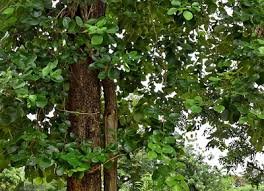
- Scientifically known as Pterocarpus santalinus, it is a rare and highly valued tree species. It is also called Red Sandalwood.
- It is endemic to India, meaning it naturally grows only in a limited region — mainly the Eastern Ghats.
- Climatic Conditions: Red Sanders typically thrives in:
- Rocky terrain
- Degraded and fallow lands
- Red soil regions
- Hot and dry climatic conditions
- Other Characteristics
- It is drought-resistant
- It is fire-hardy, meaning it can withstand forest fires better than many species.
- It is a slow-growing tree – takes around 25 to 40 years to reach maturity
- The wood is slightly brittle when compared to timber trees like teak
- However, it is prized for its deep red heartwood and medicinal properties.
- Uses and Commercial Value
- Natural Dye – Santalin: From its heartwood, a dye called santalin is extracted. This is used in Pharmaceutical preparations, Food products, Leather processing and Textile industries.
- Red Sanders wood is also valued in the Perfume industry and Traditional medicine.
- Because of these wide applications, it commands very high prices in international markets.
- Major Threat – Smuggling: Due to its enormous commercial value illegal felling has increased. Smuggling networks operate actively, especially in Andhra Pradesh. Pilgrimage routes and transport corridors are often misused for moving timber unnoticed. This unchecked exploitation has pushed the species towards serious decline.
- Conservation Status
- IUCN: Endangered
- CITES: Appendix II
- The Wildlife (Protection) Act 1972: Schedule IV
- In essence, Red Sanders symbolises the tension between conservation and commerce — reminding us that protecting endemic natural wealth requires strict vigilance, community participation, and strong governance.
FAQs
Q1. What is Red Sanders?
It is Pterocarpus santalinus, also called Red Sandalwood, a rare tree endemic to the Eastern Ghats.
Q2. What conditions does Red Sanders grow in?
It thrives in rocky terrain, red soil regions, and hot, dry climates. It is drought-resistant and fire-hardy.
Q3. Why is Red Sanders commercially valuable?
Its deep red heartwood yields santalin dye used in pharmaceuticals, food, textiles, perfumes, and traditional medicine.
Q4. What is the major threat to Red Sanders?
Illegal felling and smuggling, especially along pilgrimage corridors near Tirupati, driven by high international demand.
Q5. What is the conservation status of Red Sanders?
The conservation status of Red Sanders is:
- IUCN: Endangered
- CITES: Appendix II
- Wildlife (Protection) Act, 1972: Schedule IV.