Context
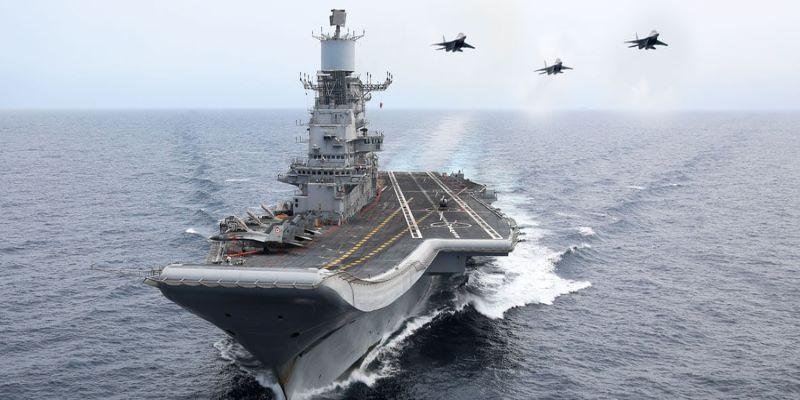
As the modern maritime threats are no longer isolated but are becoming complex and interconnected, India’s Defence Minister, during Exercise Milan urged the international community to address these challenges jointly.
What are “Evolving Maritime Challenges”?
- Maritime security today goes far beyond protecting ships. It now includes geopolitics, environment, cyber systems, and supply chains.
- Major Emerging Threats in Maritime Security
- Geopolitical Tensions and Territorial Disputes
- Growing competition over strategic straits and sea channels
- Rising global interest in underwater resources, especially rare-earth minerals
- Increasing naval presence in contested waters
- These factors raise risks of confrontation and instability.
- Piracy, Terrorism, and Smuggling: Certain sea routes remain vulnerable, especially the Gulf of Aden and Strait of Malacca. Here, illegal activities such as piracy, arms trafficking, and drug smuggling threaten commercial shipping and regional peace.
- Environmental Challenges: Climate change is creating new maritime risks like rising sea levels, more intense cyclones and coastal erosion. These directly affect ports, coastal populations, and naval infrastructure.
- Cyber Vulnerabilities: Modern maritime systems are digitally connected, creating fresh dangers:
- Possible attacks on undersea optical fibre cables
- Cyber disruptions to ports and navigation networks
- Threats to global supply chains and logistics platforms
- A cyber incident at sea can now paralyse trade on land.
- Geopolitical Tensions and Territorial Disputes
Why Maritime Security Is Critical for India
- Long Coastline: India has a coastline of over 11,000 km, making maritime border management a major national responsibility.
- Trade and Economic Lifelines: More than 95% of India’s trade volume moves through sea routes. Any disruption directly impacts energy supplies, manufacturing, food imports and export earnings.
- Marine Resource Wealth: India controls an Exclusive Economic Zone of nearly 2 million square kilometres, rich in hydrocarbons, fisheries and rare-earth minerals. Protecting this space is vital for future economic security.
- Regional Stability and Diplomacy: India projects itself as a “Vishwa-Mitra” (global friend) and a net security provider in the Indian Ocean Region. This means India supports disaster relief, anti-piracy operations and capacity building of smaller nations.
India’s Multi-Layered Approach to Tackle Evolving Maritime Challenges
- SAGAR (Security and Growth for All in the Region) Vision (2015): It laid the foundation for
- A safe and stable Indian Ocean Region
- Promotion of the blue economy
- Cooperative maritime partnerships
- MAHASAGAR (2025): MAHASAGAR marks a strategic upgrade from SAGAR.It expands maritime cooperation to a global scale, combining security, sustainable development, shared responsibility and international partnerships.
- Information Fusion Centre – Indian Ocean Region (IFC_IOR): It was established in Gurugram in 2018 and acts as a regional hub for real-time maritime data sharing and a platform connecting navies and agencies of partner countries. It improves early warning and situational awareness.
- National Maritime Security Coordinator: India appointed it to:
- Integrate efforts of Navy, Coast Guard, and Home Ministry
- Streamline decision-making
- Strengthen maritime border management
- Multilateral Naval Engagements: India regularly conducts joint patrols and exercises, including Exercise MILAN, to:
- Build interoperability
- Share best practices
- Promote collective security
- Space-Based Surveillance: India combines NavIC and Satellite inputs from ISRO. This enables real-time vessel tracking and enhanced maritime domain awareness.
Conclusion
India is moving from reactive maritime defence to proactive, partnership-based ocean governance, aimed at securing both regional stability and global commons.
FAQs
Q1. What are evolving maritime challenges?
They include not just ship safety but also geopolitics, environment, cyber systems, and global supply chains.
Q2. What are the major threats India faces at sea?
Geopolitical disputes, piracy and smuggling, climate change impacts, and cyber vulnerabilities to ports and undersea cables.
Q3. Why is maritime security critical for India?
India has an 11,000 km coastline, 95% of trade volume moves by sea, and its 2 million sq. km Exclusive Economic Zone is rich in resources.
Q4. What is India’s strategic vision for maritime security?
The SAGAR vision (2015) for regional safety and growth, upgraded to MAHASAGAR (2025) for global cooperation and sustainable ocean governance.
Q5. What steps has India taken to strengthen maritime security?
Establishing the IFC-IOR for real-time data sharing, appointing a National Maritime Security Coordinator, conducting multilateral naval exercises like MILAN, and using space-based surveillance through NavIC and ISRO satellites.