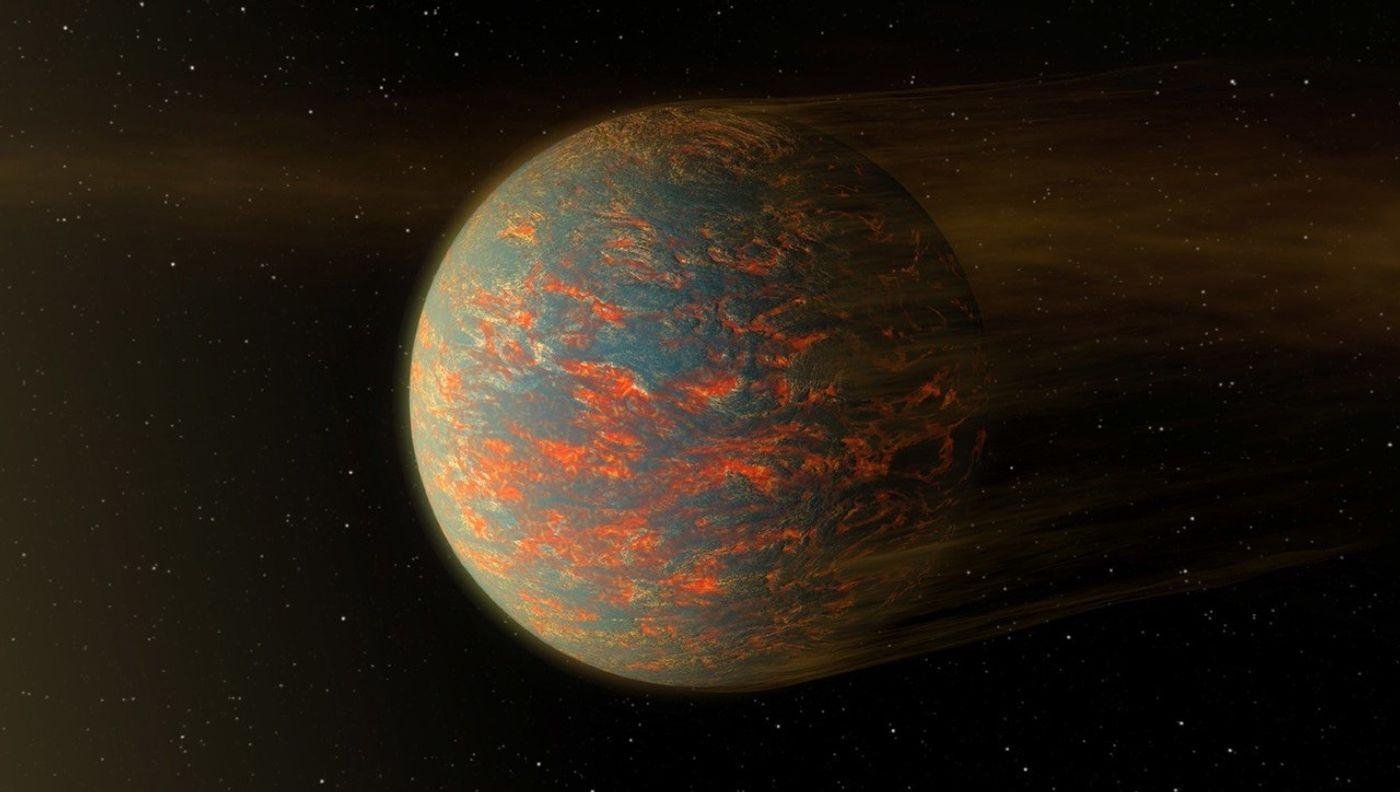
- In recent years, astronomers have discovered hundreds of planets outside our solar system and a particularly interesting category is called Super-Earths.
- What is a Super Earth?
- They are bigger than Earth with mass up to 10 times that of Earth and diameter up to 2 times that of Earth.
- But, they are smaller and lighter than ice giants like Neptune and Uranus.
- They can be made up of rocks or gases or a mixture of both. This means that not all Super-Earths look the same.
- They may help scientists understand how planets are born and how they change over time.
- Super-Earth does NOT mean the planet is Earth-like. It only refers to size and mass, not habitability.
FAQs
Q1. What is a Super-Earth?
It is a planet with mass up to 10 times Earth’s and diameter up to 2 times Earth’s.
Q2. How are Super-Earths different from ice giants?
They are smaller and lighter than Neptune and Uranus.
Q3. What are Super-Earths made of?
They can be rocky, gaseous, or a mix of both.
Q4. Do Super-Earths mean Earth-like planets?
No, the term refers only to size and mass, not habitability.
Q5. Why are Super-Earths important to science?
They help scientists study how planets form and evolve over time.