Context
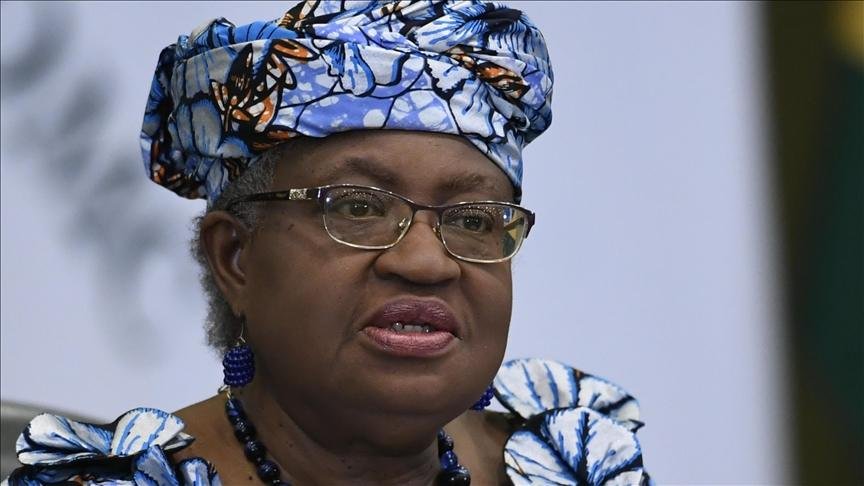
As highlighted by the WTO Chief in early 2026, the world faces a choice between multilateral cooperation and economic chaos caused by geopolitical fragmentation and rapid technological shifts.
What are the structural and systemic challenges paralyzing the WTO today?
The World Trade Organization (WTO), established in 1995 via the Marrakesh Agreement, is currently facing an existential crisis due to several unresolved friction points.
- The Dispute Settlement Mechanism:
The Appellate Body of global trade has not been functional since December 2019. This happened because the US blocked the appointment of new judges, leaving trade disputes in a legal limbo. Without an active two-tier system, countries can ignore rulings without fear of authorized retaliation.
- Divergence on Agricultural and Subsidy Issues:
Negotiations on agricultural domestic support remain stalled. Developed nations push for stricter rules on subsidies, while emerging economies like India defend Public Stockholding (PSH) for food security and Special and Differential Treatment (S&D) to protect small-scale farmers.
- Geopolitical Shifts and New Protectionism:
The rise of “friend-shoring,” reciprocal tariffs, and bilateral trade deals is undermining the Most Favored Nation (MFN) principle. Major powers are increasingly using trade as a tool for national security rather than economic efficiency.
How can the global trading system be strengthened ?
To remain relevant, the WTO must adapt to new realities involving the digital economy and the climate crisis.
- The top priority is to restore a fully functional, two-tier dispute settlement system by the end of 2026 to ensure timely and efficient resolution of trade conflicts.
- Plurilateral Agreements: Where consensus among all 166 members is impossible, “Plurilateral” deals (agreements between a smaller group of members) can be used, provided they remain open for others to join and do not harm the multilateral foundation.
- Climate and Trade Alignment: Trade policies must align with the Paris Agreement. This includes addressing “Green Protectionism,” such as the Carbon Border Adjustment Mechanism (CBAM), ensuring they do not become unfair barriers for developing nations.
- Digital Interoperability: New rules are needed to manage cross-border data flows, data privacy, and the taxation of digital services, which were not envisioned during the original Uruguay Round.
World Trade Organization (WTO)
- WTO replaced the General Agreement on Tariffs and Trade (GATT) in 1995, shifting from a mere “agreement” to a permanent international organization. 1986-94 Uruguay Round negotiations led to its creation.
- Headquarters: Geneva, Switzerland.
- Consensus-Based Decision Making: Unlike the IMF or World Bank, every WTO member (from the USA to Vanuatu) has a veto, as decisions require consensus. This ensures inclusivity but often leads to “negotiation fatigue.”
- Doha Development Agenda (DDA): Launched in 2001, it remains largely unfinished, highlighting the deep divide between the Global North and Global South over issues like agriculture subsidies, intellectual property and industrial tariffs.