

20-01-2026 Mains Question Answer
In the wake of recent incidents related to Groundwater contamination, highlight the major sources of Groundwater Pollution.
Groundwater is the lifeline of India’s water security, catering to more than 60% of irrigation needs and 85% of rural drinking water requirements. However, recent findings from the Central Ground Water Board (CGWB) Annual Groundwater Quality Report (2024-25) and incidents such as the detection of uranium in breast milk in Bihar and the sewage-contamination tragedy in Indore highlight that India is facing a “silent emergency” of aquifer poisoning. The crisis has shifted from one of quantity (depletion) to quality (toxicity).
Major Sources of Groundwater Pollution
1. Agricultural Activities
- Excessive use of chemical fertilizers and pesticides leads to leaching of nitrates, phosphates, and toxic residues into aquifers.
- Over-irrigation causes percolation of contaminants such as urea and insecticides.
- Ex- Haryana and punjab region
2. Industrial Effluents
- Discharge of untreated effluents containing heavy metals (lead, arsenic, mercury, cadmium) and chemicals into soil and water bodies.
- Leather tanning, textile dyeing, paper mills, and chemical industries are major contributors. For example kanpur
3. Domestic Sewage and Solid Waste
- Seepage from unlined septic tanks and open drains contaminates groundwater with pathogens, nitrates, and organic matter.
- Leachate from municipal solid waste dumps introduces harmful chemicals and microplastics.
- Ex: mass illness in Indore
4. Mining and Quarrying Activities
- Acid mine drainage and leaching of toxic substances from abandoned mines pollute aquifers.
- Sand mining alters natural recharge zones, increasing vulnerability to contamination.
5. Salinity Intrusion in Coastal Areas
- Over-extraction of groundwater in coastal regions leads to seawater intrusion, raising salinity levels.
- Example Gujrat region
6. Arsenic and Fluoride Contamination (Geogenic Sources)
- Naturally occurring contaminants like arsenic (West Bengal, Bihar, Assam) and fluoride (Rajasthan, Andhra Pradesh) enter groundwater due to geological formations.
7. Leakage from Underground Storage Tanks and Pipelines
- Leakage of petroleum products, solvents, and chemicals from underground tanks contaminates aquifers.
8. Improper Disposal of Hazardous Waste
- Dumping of biomedical waste, e-waste, and radioactive materials without safeguards leads to long-term contamination.
Representation through map
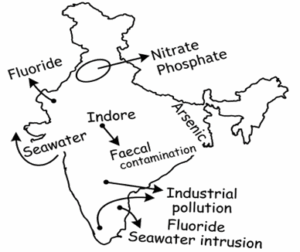
Fig 1: Groundwater contamination hotspots
Consequences of Groundwater Pollution
- Health impacts: Waterborne diseases, fluorosis, arsenicosis, cancers, neurological disorders.
- Agricultural impacts: Reduced soil fertility, crop toxicity.
- Economic impacts: Increased healthcare costs, reduced productivity.
- Ecological impacts: Loss of biodiversity, degradation of wetlands and rivers.
Way Forward
- Strict enforcement of Water (Prevention and Control of Pollution) Act, 1974 and Environment Protection Act, 1986.
- Promotion of organic farming and biofertilizers to reduce chemical leaching.
- Establishing real-time groundwater quality monitoring systems.
- Scientific management of solid and hazardous waste.
- Community awareness and participation in water conservation.
- Adoption of Integrated Water Resource Management (IWRM) and recharge techniques like rainwater harvesting.
Conclusion
Groundwater contamination is a silent crisis that undermines India’s socio-economic development. Addressing both anthropogenic and geogenic sources through regulation, technology, and community participation is essential to safeguard this vital resource for future generations and fulfill the SDG 6 target.