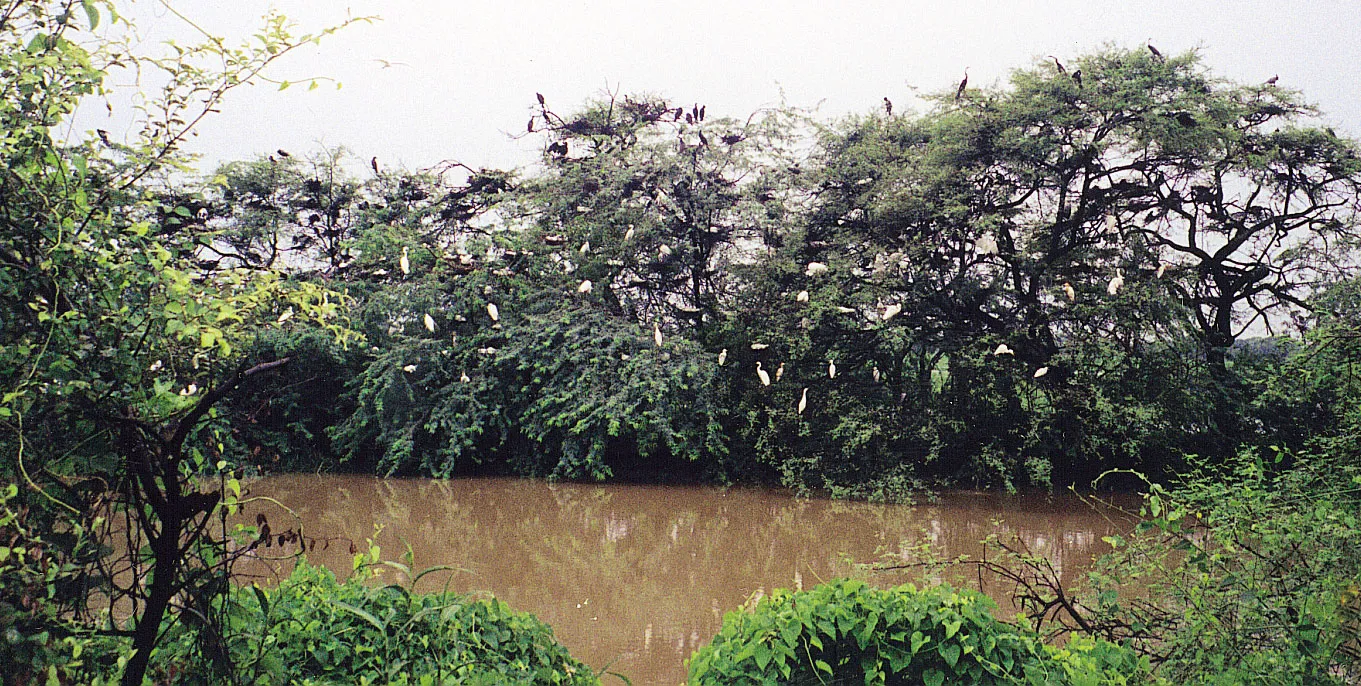
Tropical Evergreen Forests, often referred to as Tropical Rainforests, represent the most exuberant and biodiverse form of natural vegetation in India. These forests are characterized by their towering height, multi-layered structure, and perpetual greenery, as they do not undergo a synchronized leaf-shedding period. In the Indian subcontinent, these “lungs of the earth” are primarily found in regions where the monsoon is most intense, such as the Western Ghats, the Northeast, and the Andaman and Nicobar Islands.
Core Characteristics of Tropical Evergreen Forests
Tropical Evergreen forests thrive in regions of high heat and high humidity. Their unique structural features distinguish them from other forest types like deciduous or thorn forests.
- Climatic Requirements: They are found in areas receiving an annual rainfall exceeding 200 cm to 250 cm. The average annual temperature typically remains above 22°C.
- Perpetual Greenery: Due to the lack of a prolonged dry season, different tree species shed their leaves at different times of the year, ensuring the forest always appears green.
- Stratification (Layering): These forests exhibit a distinct vertical stratification.
- Emergent Layer: Tallest trees reaching up to 60 meters or more.
- Canopy: A thick, continuous layer of foliage that blocks most sunlight from reaching the ground.
- Understorey and Forest Floor: Composed of ferns, shrubs, and shade-loving plants with sparse grass due to limited light.
- Rapid Decomposition: High humidity and temperature lead to the quick breakdown of organic matter, meaning there is minimal litter accumulation on the forest floor.
Major Locations and Types in India
India’s Tropical Evergreen forests are geographically concentrated in three distinct zones, each harboring unique ecological sub-types.
1. Western Ghats Tropical Wet Evergreen Forests
These are found along the windward western slopes of the Western Ghats across Kerala, Karnataka, Maharashtra, and Tamil Nadu.
- Species: Rosewood, Mahogany, Ebony, and Ironwood.
- Ecology: This region is a global biodiversity hotspot and a UNESCO World Heritage site, supporting the Malabar Hornbill and the endangered Lion-tailed Macaque.
2. Northeast India Tropical Wet Evergreen Forests
Spanning states like Assam, Arunachal Pradesh, Meghalaya, and Nagaland, these forests are vital for the regional monsoon system.
- Species: Hollong (the state tree of Assam), Hollock, Gurjan, and Bamboo.
- Ecology: They form part of the Indo-Burma biodiversity hotspot, home to the Hoolock Gibbon and the One-horned Rhinoceros.
3. Andaman and Nicobar Islands Tropical Wet Evergreen Forests
Due to their maritime location, these islands experience heavy rainfall from both the Southwest and Northeast monsoons.
- Species: Andaman Redwood (Padauk) and various species of Dipterocarpus.
- Ecology: These islands feature unique endemic species like the Andaman Wild Pig and the Nicobar Megapode.
Flora and Fauna: The Biodiversity Powerhouse
The dense canopy and humid environment support an incredibly dense population of diverse life forms.
| Category | Representative Species in India |
| Tall Trees | Rosewood, Mahogany, Ebony, Aini, White Cedar, Hollong, and Champa. |
| Lower Vegetation | Canes, Bamboo, Ferns, Orchids, and Lianas (woody climbers). |
| Mammals | Elephants, Tigers, Clouded Leopards, Sloths, and various Possums. |
| Birds | Great Indian Hornbill, Owls, Cardinals, and Wood Pigeons. |
| Reptiles | King Cobras, Pythons, and Saltwater Crocodiles (in coastal islands). |
Unique Plant Adaptations
To survive in competitive, nutrient-poor, and light-restricted environments, plants have developed specialized evolutionary traits:
- Buttress Roots: Large, wide roots that grow out from the base of the trunk (sometimes up to 30 feet high) to provide stability for massive trees in shallow soil.
- Epiphytes: Plants like orchids grow on the branches of taller trees to reach sunlight without needing to be rooted in the ground.
- Drip Tips: Leaves often have pointed tips to allow rainwater to run off quickly, preventing fungal growth in high-humidity conditions.
Tropical Evergreen vs. Deciduous Forests
| Feature | Tropical Evergreen Forests | Tropical Deciduous Forests |
| Rainfall | Over 200 cm | 70 cm to 200 cm |
| Appearance | Green throughout the year | Shed leaves for 6–8 weeks in dry summer |
| Tree Type | Hardwood (Rosewood, Ebony) | Hardwood (Teak, Sal, Sheesham) |
| Density | Extremely dense; multi-layered | Open and less dense |
| Location | Western Ghats, NE India, Islands | Most of Central India and Indo-Gangetic plains |
FAQs
WHAT IS THE MAIN DIFFERENCE BETWEEN EVERGREEN AND RAINFORESTS?
While the terms are often used interchangeably, Tropical Evergreen Forests refer to the biological trait of keeping leaves year-round, whereas Rainforests specifically highlight the high rainfall (over 200 cm) that sustains them.
WHICH TREE SPECIES ARE COMMONLY FOUND IN THE EVERGREEN FORESTS OF ASSAM?
The primary species in the Northeast include Hollong, Gurjan, Nahar, and Bamboo. Hollong is particularly significant as the state tree of Assam.
WHY DO TROPICAL EVERGREEN TREES HAVE BUTTRESS ROOTS?
These trees grow very tall and have heavy canopies, but the rainforest soil is often shallow. Buttress roots provide the necessary structural support to prevent the trees from toppling.
HOW DOES THE CANOPY AFFECT THE FOREST FLOOR?
The dense canopy blocks up to 95% of sunlight, creating a dark, humid environment on the forest floor where only shade-tolerant ferns and shrubs can survive.
WHAT IS THE AVERAGE TEMPERATURE REQUIRED FOR THESE FORESTS?
Tropical Evergreen forests require a consistently warm climate with an average annual temperature exceeding 22°C.
ARE THERE EVERGREEN FORESTS IN ODISHA?
Yes, while Odisha is dominated by deciduous cover, there are isolated patches of semi-evergreen and evergreen forests in high-rainfall zones.
WHAT IS THE ECONOMIC VALUE OF ROSEWOOD AND EBONY?
These are high-value hardwood species prized globally for making premium furniture, musical instruments, and decorative woodcraft due to their durability and fine grain.
HOW DO EPIPHYTES SURVIVE WITHOUT SOIL?
Epiphytes (like orchids) grow on other plants for physical support and derive moisture and nutrients from the air, rain, and debris accumulating around them.
WHY IS LITTER ACCUMULATION MINIMAL IN THESE FORESTS?
The combination of high heat and moisture creates an ideal environment for bacteria and fungi, causing fallen leaves and branches to decompose almost instantly, recycling nutrients back into the system.