Context
The Indian Rupee has depreciated significantly against US Dollar, reaching a historic low of ₹94 per $1.
Q1. What is the difference between depreciation, devaluation, appreciation and revaluation?
- Depreciation: Fall in value of currency due to market forces (demand–supply).
- Devaluation: Fall in value of currency due to government/central bank decisions.
- Appreciation: Rise in value of currency due to market forces.
- Revaluation: Rise in value of currency due to government decisions.
Q2. What are the basic concepts of Balance of Payments (BoP) and Demand-Supply?
Balance of Payments: BoP is divided into:
- Current Account
- Visible Items (Goods):
- Usually Imports > Exports → Trade Deficit
- Trade happens in dollars → Demand for dollar increases
- Invisible Items (Services): Can be in surplus (Exports > Imports)
- Overall, India usually has a Current Account Deficit (CAD).
- Visible Items (Goods):
- Capital Account Includes foreign investments:
- FDI (Foreign Direct Investment): Long-term investment. Can be incoming or outgoing
- FPI (Foreign Portfolio Investment): Short-term investment. Can be incoming or outgoing
- India generally has a capital account surplus, but recently FDI and FPI inflows have slowed down and FPI outflows have increased.
Demand–Supply Concept
- Demand > Supply → Value increases
- Supply > Demand → Value decreases
Q3. Why is the Indian Rupee depreciating currently?
Reasons can be divided into three categories:
- Domestic (India-specific) Reasons:
- Trade Deficit: Imports > Exports → More dollars going out
- Higher Current Account Deficit (CAD): More dollar outflow → higher demand for dollar
- Foreign Investment Trends: Outflows > Inflows due to
- Policy uncertainty (tax, labour laws) → lower investor confidence
- High fiscal deficit (high expenditure, low revenue) → more borrowing
- High inflation → reduces rupee purchasing power → less attractive to investors
- Global Factors
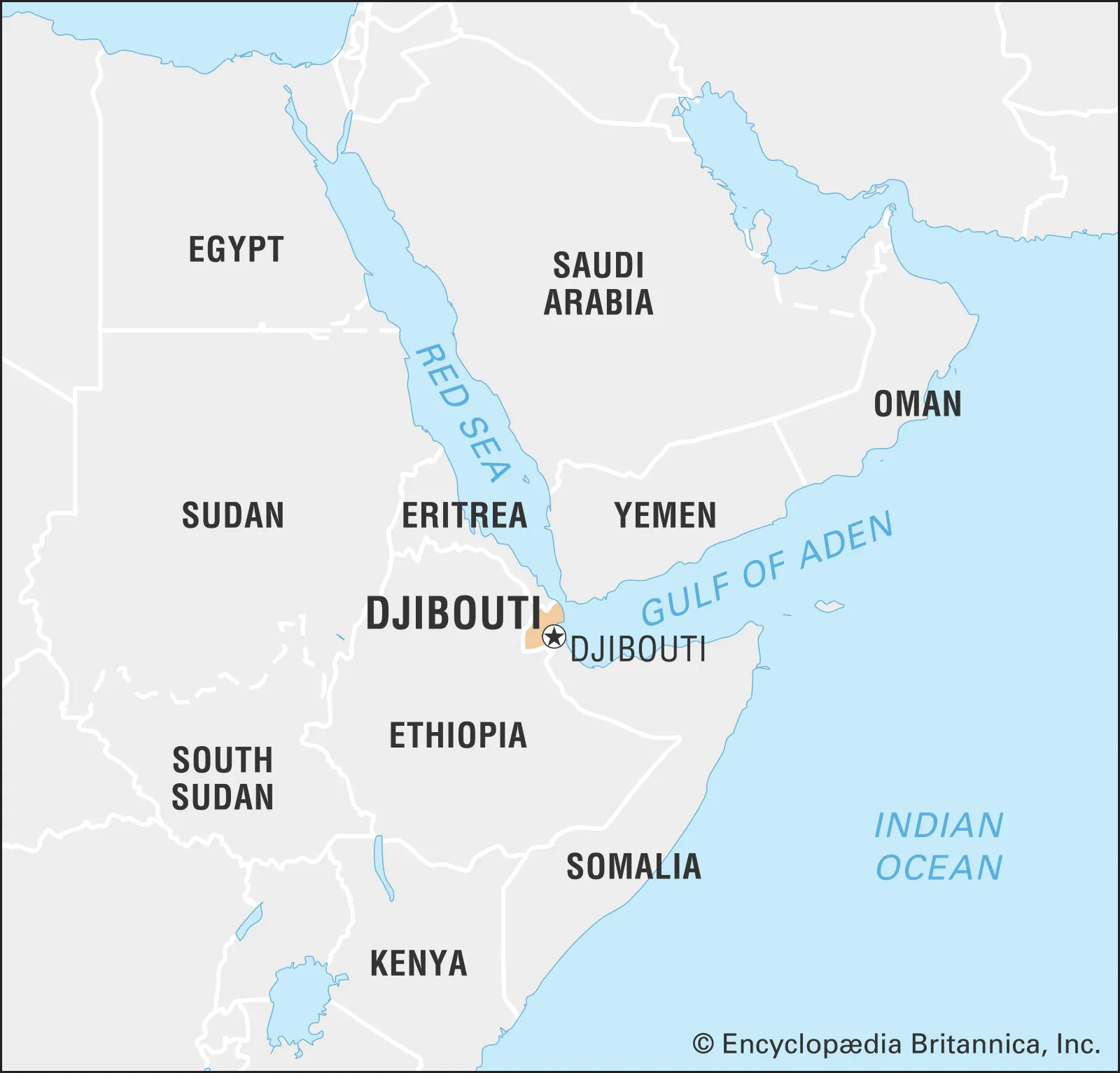
- Geopolitical Tensions (Iran–US conflict): Increases global uncertainty and investors move towards safe haven currencies like US Dollar.
- Rising Oil Prices: Oil is priced in dollars. Importing countries like India need more dollars → demand increases
- United States Factors
- Strong US Dollar: Global trade is largely conducted in US Dollar (safe haven currency)
- US Federal Reserve Policy: Higher interest rates in US dollar-denominated assets which gives better returns and attracts investors.
- US Tariffs on Indian Goods: Indian exports become costlier. Exports decrease → dollar inflow reduces. Lower supply of dollar → rupee depreciates.