Context
Rising tensions involving the United States, Israel, and Iran are increasingly being described by analysts as resembling a war of attrition.
Q1. What is a War of Attrition?
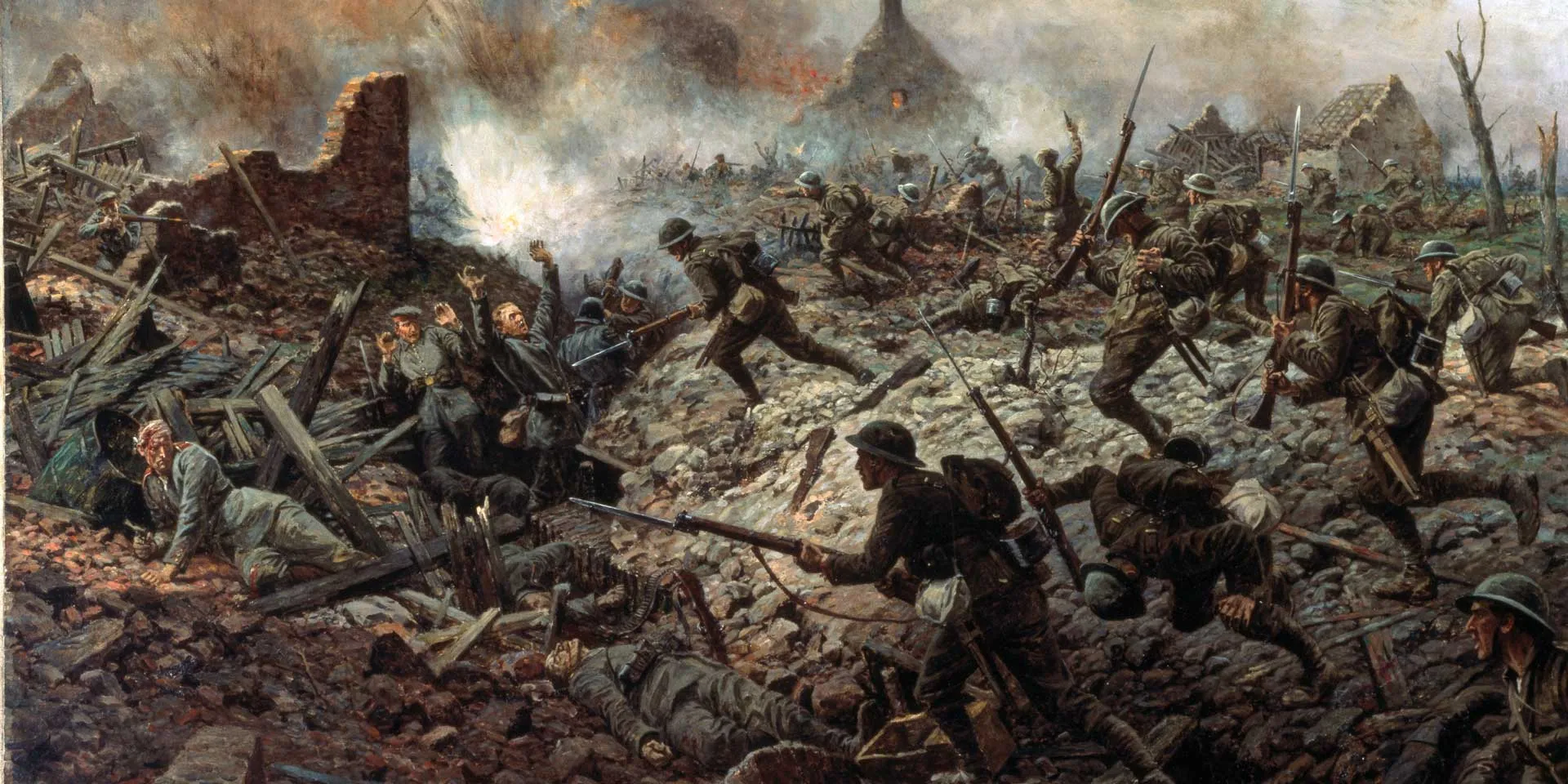
- It is a military strategy in which one side attempts to wear down the enemy over time by continuously reducing its resources, manpower, and morale.
- Key idea: Instead of seeking a quick decisive victory, the objective is to slowly weaken the opponent until it can no longer continue fighting.
Q2. What are the main characteristics of a War of Attrition?
- Prolonged Conflict: These wars usually last for long periods because neither side achieves a quick breakthrough.
- Continuous Pressure: Opposing forces conduct repeated attacks, bombardments, or blockades to gradually weaken the enemy.
- Resource Exhaustion: The strategy focuses on depleting the opponent’s military personnel, economic resources, weapons and equipment and public morale.
- Importance of Endurance: Success depends on a country’s ability to maintain military, economic, and logistical support over time.
FAQs
Q1. What is a War of Attrition in military strategy?
A prolonged conflict where one side aims to wear down the enemy’s resources, manpower, and morale instead of seeking a quick decisive victory.
Q2. What are the main characteristics of a War of Attrition?
It involves continuous pressure, repeated attacks, resource exhaustion, and long duration, with success depending on endurance and sustained support.
Q3. Why is the War of Attrition strategy significant in modern conflicts?
It highlights the importance of economic strength, logistics, and resilience, as victory depends on outlasting the opponent rather than rapid battlefield wins.