Important questions for UPSC Pre/ Mains/ Interview:
|
Context
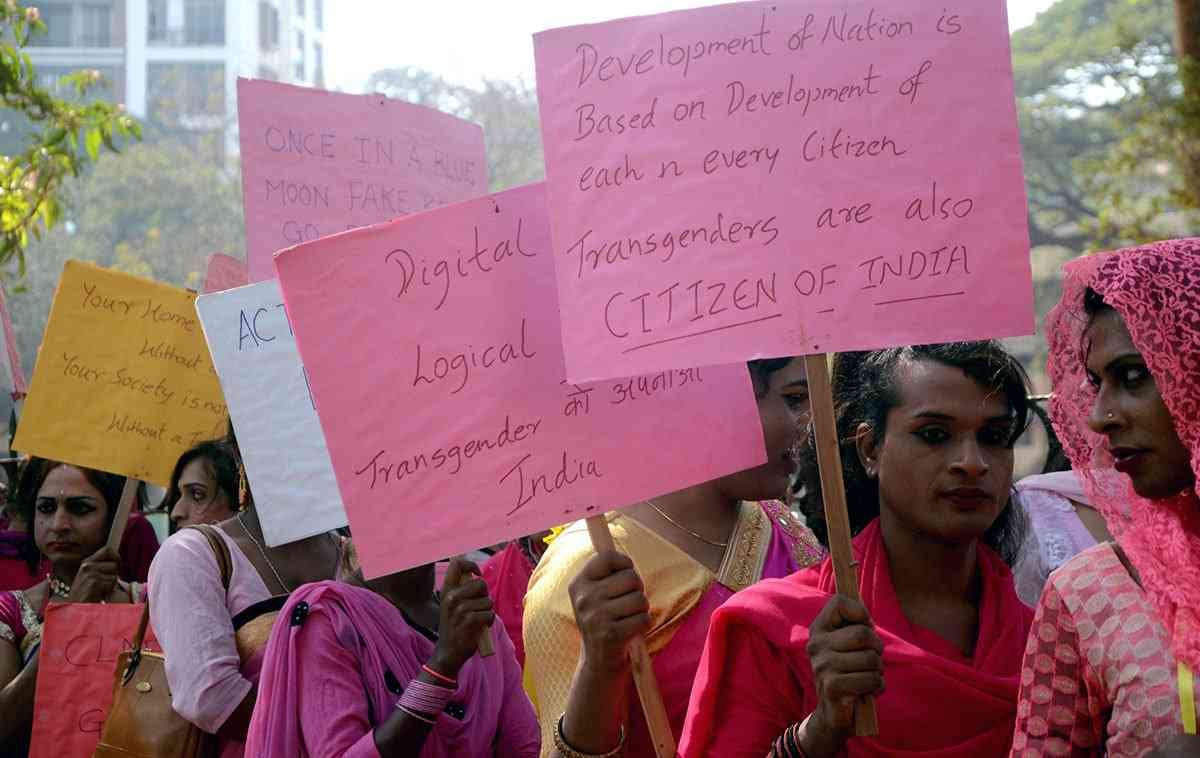
The Minister of Social Justice and Empowerment has introduced a Bill proposing major amendments to the Transgender Persons (Protection of Rights) Act, 2019. The Bill aims to revise the definition of transgender persons, modify the identification process, and strengthen legal protections for the community.
Q1. What is the Transgender Persons (Protection of Rights) Act, 2019?
- The Transgender Persons (Protection of Rights) Act, 2019 was enacted to protect the rights of transgender persons and prohibit discrimination.
- The Act recognises transgender persons as individuals whose gender identity differs from the gender assigned at birth.
- It prohibits discrimination in areas such as education, employment, healthcare and access to public services.
- It also established the National Council for Transgender Persons (NCTP) to advise the government on policy and welfare measures.
- The law implemented the principles laid down by the Supreme Court in the NALSA v. Union of India (2014) judgment, which recognised transgender persons as a third gender and affirmed their fundamental rights.
Q2. What changes does the Bill propose in the definition of transgender persons?
- The Bill introduces a revised definition of transgender persons.
- It includes individuals with socio-cultural transgender identities, such as Kinner, Hijra, Aravani and Jogta.
- It also includes individuals with biological variations or those forced to outwardly present a transgender identity through practices such as mutilation or hormonal procedures.
- However, the proposed definition excludes self-perceived gender identity, such as a person identifying with a gender different from their assigned sex.
- It also excludes sexual orientation-based identities.
- The amendment removes Section 4(2) of the 2019 Act, which recognised the right to self-determined gender identity.
Q3. How does the Bill change the process of identifying transgender persons?
The Bill introduces a medical verification process.
- A medical board will assist authorities in verifying transgender identity.
- The board will be headed by:
- A Chief Medical Officer (CMO) or
- A Deputy Chief Medical Officer (DCMO).
- This board will help government authorities assess identity claims.
Difference from the 2019 Act
| Feature | 2019 Act | Proposed Amendment |
| Basis of identity recognition | Self-perceived gender identity | Medical verification |
| Certificate authority | District Magistrate | Verification supported by medical board |
| Medical examination | Not required | Introduced for verification |
This represents a shift from self-identification to institutional verification.
Q4. What new legal protections and penalties does the Bill introduce?
- The Bill strengthens criminal provisions against offences targeting transgender persons.
- It introduces graded punishments for serious crimes, including physical or verbal abuse, forced labour, abduction or trafficking and forcing individuals into transgender identity through bodily harm.
- Penalties may extend up to life imprisonment in severe cases.
- These provisions aim to deter exploitation, violence, and coercion against transgender persons.
Q5. How does the Bill modify the National Council for Transgender Persons?
- The Bill proposes changes to the composition of the National Council for Transgender Persons (NCTP).
- It introduces rotational representation from State Governments and Union Territories.
- This change aims to strengthen federal participation and regional representation in policymaking.
- The Council will continue to advise the government on transgender welfare programmes and legal safeguards.
Q6. What administrative provisions are included in the Bill?
- Individuals who receive a Certificate of Identity will be allowed to make corresponding changes in official documents.
- This includes updates in records such as identity documents, educational certificates and government records.
- The provision seeks to ensure legal consistency between identity recognition and official documentation.
Q7. What is the significance of the proposed amendments?
- Improved legal clarity: The revised definition and verification process aim to address ambiguities in the 2019 Act.
- Stronger legal protection: Graded punishments create a stronger legal framework against violence and exploitation.
- Protection of bodily integrity: Penalising forced identity changes reinforces constitutional values of dignity and bodily autonomy.
- Administrative consistency: Allowing document changes ensures smoother legal recognition of identity.
Conclusion
The proposed amendments to the Transgender Persons (Protection of Rights) Act seek to strengthen legal protections and administrative clarity for transgender individuals. However, the shift from self-identification to medical verification may also generate debates about autonomy, dignity, and the constitutional principles established by earlier judicial decisions. Balancing legal safeguards with the rights of gender self-determination will remain central to discussions around the Bill.