Context
A recent study by IIT Kharagpur and Physical Research Laboratory (PRL) has analysed titanium-rich rocks on the Moon, highlighting its importance in planetary science.
Q1. What is Titanium?
- Titanium is a strong, lightweight metal (4th most abundant metal and the 9th most abundant element) found naturally in the Earth’s crust.
- It usually occurs combined with oxygen or iron (not in pure form).
- Also found in meteorites and the Sun.
Q2. In what form is Titanium found and how is it extracted?
- Main ores:
- Ilmenite (FeTiO₃)
- Rutile (TiO₂)
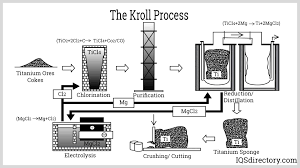
- Extraction (Kroll Process):
- Titanium is extracted from its compounds using the Kroll process, developed by William Justin Kroll in the 1940s.
- Titanium compound is converted into a chemical form (titanium tetrachloride) and then reduced using magnesium to get pure metal.
Q3. What are the key properties of Titanium?
- Highly corrosion-resistant: Not easily affected by air, water, acids
- Lightweight but strong: Ideal for high-performance use
- Heat-resistant and durable
- Unique property: Can burn in air and even in nitrogen (rare behavior)
- Biocompatible: Does not react with human body tissues
Q4. What are the major uses of Titanium?
- Aerospace & Defence: Aircraft, spacecraft, ships (strong + light)
- Medical field: Implants and prosthetics (safe for body)
- Alloys: Mixed with metals like aluminium and iron to improve strength
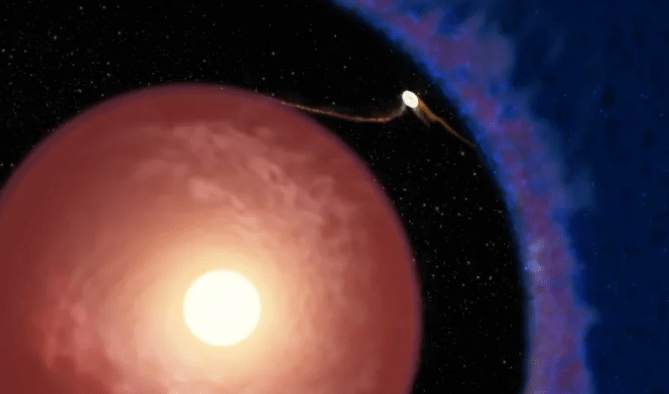
- Astronomy: Titanium oxide helps identify cool red dwarf stars
Conclusion
Titanium is a high-strength, lightweight, and corrosion-resistant metal with wide applications in aerospace, medicine, and advanced technology, making it crucial both on Earth and in space research.