Context
The project titled “Strengthening Institutional Capacities for Securing Biodiversity Conservation Commitments” has been launched by the Ministry of Environment, Forest and Climate Change in collaboration with the National Biodiversity Authority (NBA) to enhance institutional capacity for effective biodiversity conservation.
About the project
- Joint initiative: A collaboration between the Government of India, the Global Environment Facility (GEF), and the United Nations Development Programme (UNDP).
- Financial support: The project has a funding of USD 4.88 million.
- Duration: The project will run for 5 years (2025–2030).
Location of the project
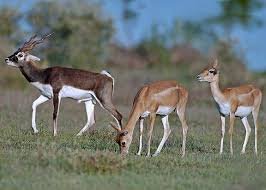
- In Tamil Nadu: The project covers the Sathyamangalam landscape at the meeting point of the Western and Eastern Ghats, including the Mudumalai Tiger Reserve and the Sathyamangalam Tiger Reserve.
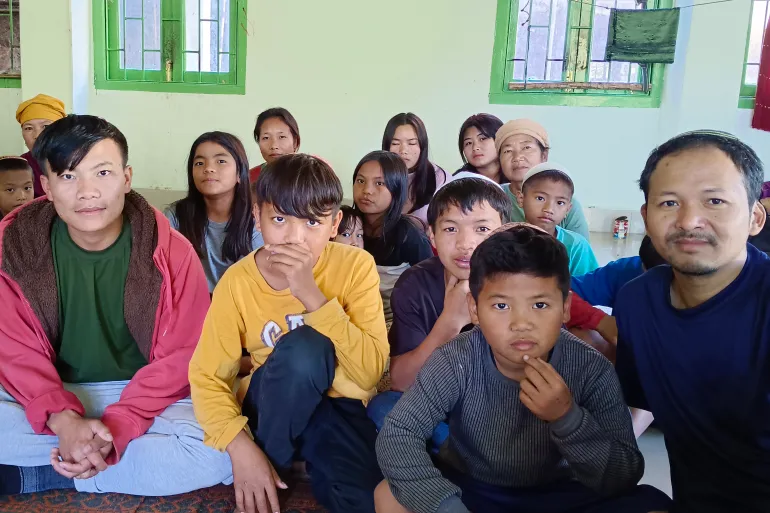
- In Meghalaya: The project includes the Nokrek Biosphere Reserve, Balpakram National Park, and Siju Wildlife Sanctuary located in the Garo Hills.
Salient features of the project
- Integrate biodiversity into local planning to strengthen Panchayati Raj Institutions (PRIs) and Biodiversity Management Committees (BMCs).
- Encourage innovative funding methods such as CSR partnerships and green micro-enterprises.
- Build capacity of women, Scheduled Castes (SCs), and tribal communities to support biodiversity conservation.
- Support implementation of key national and global commitments, including the updated National Biodiversity Strategy and Action Plan (2024–2030) and India’s Nationally Determined Contributions (NDCs) under the Paris Agreement.
Framework for Biodiversity Governance in India
- Biological Diversity Act (BDA), 2002: Provides for the conservation of biodiversity, sustainable use of biological resources, and fair Access and Benefit Sharing (ABS) of genetic resources.
- International commitment: The Act was enacted to meet India’s obligations under the United Nations Convention on Biological Diversity (CBD).
Three-tier governance system
- National Biodiversity Authority (NBA): Works at the national level to regulate access to biological resources by foreign entities, transfer of research results outside India, and approval of Intellectual Property Rights (IPR) related to biological resources.
- State Biodiversity Boards (SBBs): Regulate access to biological resources by Indian citizens and organizations for commercial use at the state level.
- Biodiversity Management Committees (BMCs): Local bodies under Panchayati Raj Institutions that document local biodiversity and traditional knowledge through People’s Biodiversity Registers (PBRs).