Context
- The problem of work-related stress, long working hours, and digital overreach is increasing in India, leading to more debates on ‘right to disconnect’ after work.
- In December 2025, a private member’s bill was introduced in Lok Sabha to legally recognize this right by amending the Occupational Safety, Health and Working Conditions Code, 2020, following global trends and recent State-level initiatives such as in Kerala.
What is the Right to Disconnect?
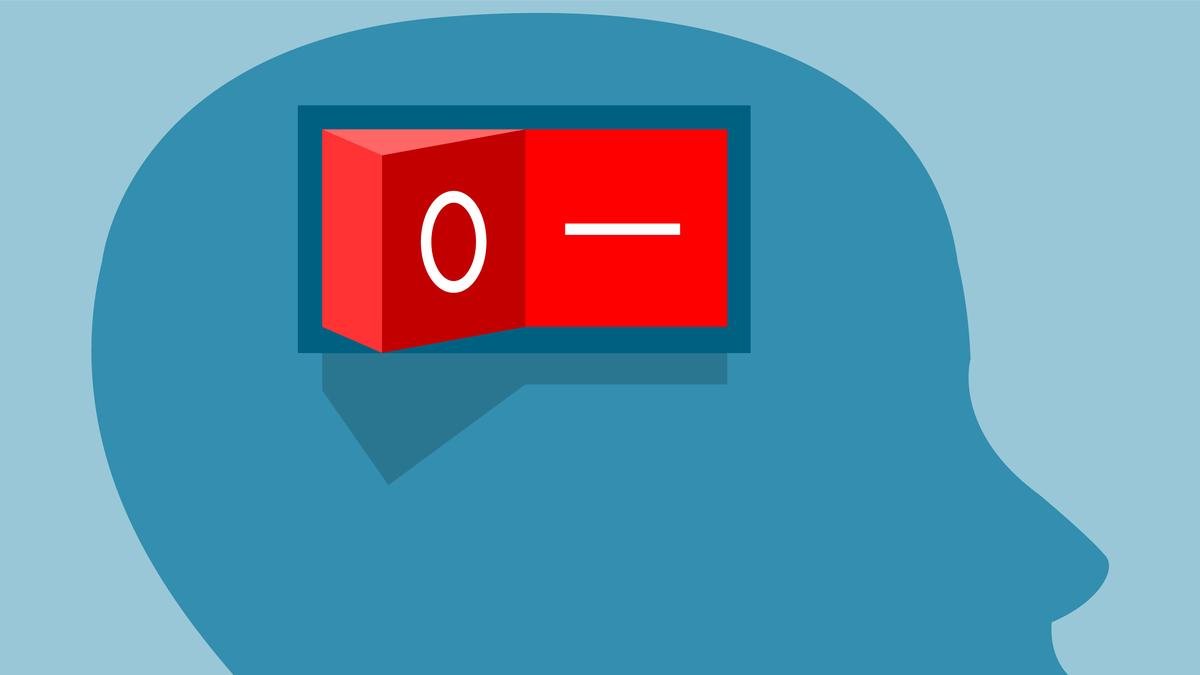
- It means that an employee is not required to respond to work-related calls, emails, or messages beyond official working hours, and cannot be penalised for doing so.
- Its purpose is to restore the boundary between work and personal life, protect mental and physical health, and prevent burnout in a digitally connected economy.
- In an “always-on” work culture, smartphones, laptops, and instant communication tools have blurred work-life boundaries, turning evenings, weekends, and holidays into unpaid extensions of the workday.
Why is the Right to Disconnect Needed in India?
- According to the International Labour Organization, 51% of India’s workforce works more than 49 hours per week, placing India second globally in extended working hours.
- 78% of Indian employees report job burnout, leading to physical and emotional exhaustion.
- Overwork contributes to hypertension, diabetes, anxiety, and depression, increasing pressure on the healthcare system.
- Work-related stress accounts for 10-12% of mental health cases, as per the National Mental Health Survey.
- The death of Anna Sebastian Perayil (2024) highlighted the extreme human cost of overwork.
- Productivity based on long hours rather than quality of work is inefficient and outdated.
- Fear of disciplinary action for not responding after hours creates an unequal power relationship between employers and employees.
How India’s Current Legal Framework Falls Short?
- The Occupational Safety, Health and Working Conditions Code, 2020 limits working hours mainly for traditional “workers”.
- It often does not adequately cover employees, especially:
- Contractual workers
- Freelancers
- Gig-economy workers
- This leaves a large, young, and digitally connected workforce unprotected from excessive work demands.
How the Proposed Reform Seeks to Address the Problem?
The proposed Bill aims to amend the existing labour code to:
- Clearly define and limit working hours for all employees, not just traditional workers.
- Legally guarantee the right to disconnect, ensuring that employees:
- Are not penalised for ignoring work communications after hours.
- Have access to grievance-redress mechanisms if their rights are violated.
- Treat the right to disconnect as a part of occupational safety and mental health protection, not merely a workplace privilege.
Global Practices and Lessons for India
- The right to disconnect is a global labour issue, not unique to India.
Countries that have adopted similar laws include: France (pioneer, 2017), Portugal, Italy, Ireland and - These laws require companies to set clear protocols for after-hours communication, showing that respecting rest time supports sustainable economic growth, not productivity loss.
What are the other interconnected steps that need to be taken to make this legislation effective?
- Run comprehensive awareness and training programmes to educate both employees and managers about healthy work practices and the right to disconnect.
- Change workplace culture by discouraging practices that value long working hours or late-night emails over actual quality of work and productivity.
- Make mental health support a regular part of workplaces, by providing counselling and psychological support services for employees.
Implications
- Improves employee mental and physical health.
- Enhances long-term productivity and creativity.
- Reduces healthcare and social costs linked to stress-related illnesses.
- Strengthens labour rights in the digital economy.
- Helps India leverage its demographic dividend
Conclusion
Recognising the right to disconnect is essential to protect worker well-being in India’s digital economy. A uniform national framework, supported by cultural change and mental health safeguards, can create a healthier, more productive, and sustainable workforce for the future.
| Ensure IAS Mains Question
Q. “The right to disconnect is essential for balancing productivity with worker well-being in a digital economy.” Discuss the need for such a right in India and the challenges in implementing it. (250 words) |
| Ensure IAS Prelims Question
Q. Consider the following statements regarding the ‘right to disconnect’: 1. It aims to protect employees from work-related communication beyond working hours. 2. Several developed countries have already enacted laws recognising this right. 3. India’s current labour codes comprehensively protect gig workers from excessive working hours. How many of the statements given above are correct? [A] Only one [B] Only two [C] All three [D] None Answer: B Explanation: Statement 1 is correct: The right to disconnect protects employees from being compelled to respond to work-related calls, emails, or messages beyond official working hours, helping restore work–life balance. Statement 2 is correct: Several developed countries such as France, Portugal, Italy, Ireland, and Australia have enacted laws recognising the right to disconnect to address the challenges of an always-on work culture. Statement 3 is incorrect: India’s current labour codes do not comprehensively protect gig and contractual workers from excessive working hours, leaving them vulnerable in the digital economy. |