| Important questions for UPSC Pre/ Mains/ Interview:
1. What is rat-hole mining? 2. Why is rat-hole mining prevalent in Meghalaya? 3. Why is rat-hole mining illegal and hazardous? 4. What happened in the latest East Jaintia Hills incident? 5. Why were rescue operations extremely difficult? 6. What are the major environmental impacts of rat-hole mining? 7. What legal and administrative actions followed the incident? 8. What is the role of the Justice BP Katakey Committee? 9. Why is this not an isolated accident? 10.What governance challenges does this tragedy highlight? 11.How does Meghalaya’s Sixth Schedule status complicate regulation? 12.What safeguards and oversight mechanisms are required? 13.What is the way forward? |
Context
A fatal explosion in an illegally operating rat-hole coal mine in Meghalaya’s East Jaintia Hills has again exposed persistent illegal mining despite judicial bans, raising concerns over regulatory enforcement, labour safety, environmental governance, and disaster preparedness.
Q1. What is rat-hole mining?
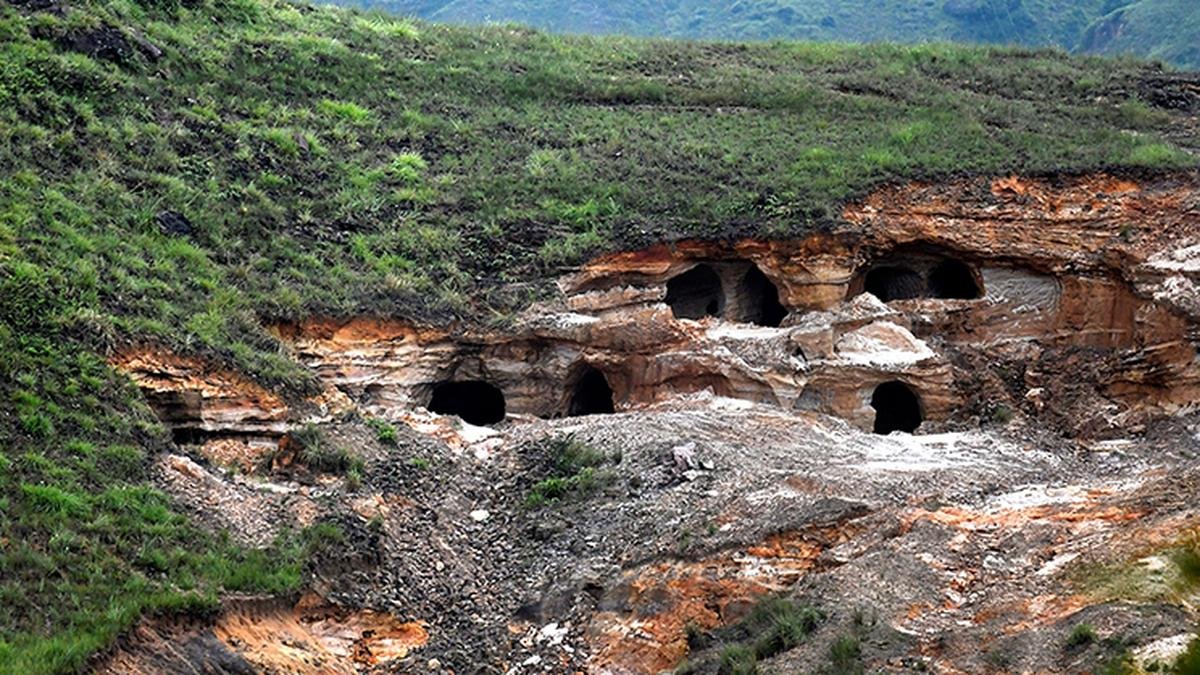
- A primitive coal extraction method involving narrow vertical pits connected to low-height horizontal tunnels.
- Miners crawl through tunnels to manually extract coal, without mechanisation.
- Prevalent in Meghalaya due to community/private land ownership rather than state ownership.
Q2. Why is rat-hole mining prevalent in Meghalaya?
- Coal-bearing land largely owned by individuals or communities under the Sixth Schedule.
- Weak integration of traditional land systems with formal mining regulation.
- Livelihood dependence in economically backward regions.
- Limited presence of formal, scientific mining alternatives.
Q3. Why is rat-hole mining illegal and hazardous?
- Violates provisions of the Mines and Minerals (Development and Regulation) Act, 1957.
- Banned by the National Green Tribunal (2014); ban upheld by the Supreme Court of India.
- Operates without:
- Ventilation systems
- Structural supports
- Safety equipment or emergency exits
Q4. What happened in the latest East Jaintia Hills incident?
- A dynamite explosion occurred in an illegal mine in a remote area of East Jaintia Hills district.
- Mine structure involved:
- Five vertical shafts (~100 feet deep)
- Each shaft branching into 2–3 narrow tunnels
- Tunnel dimensions as small as 2 feet high and 3 feet wide
- Bodies were found up to 350 feet horizontally inside tunnels.
Q5. Why were rescue operations extremely difficult?
- Remote terrain with poor road connectivity.
- Confined underground spaces restricting movement.
- Water accumulation causing mudslides and instability.
- Continuous rockfall risks endangering rescuers.
- Limited scope for use of heavy rescue equipment.
Q6. What are the major environmental impacts of rat-hole mining?
- Acid mine drainage contaminating rivers and groundwater.
- Widespread water pollution affecting agriculture and drinking water.
- Land subsidence and geological instability.
- Loss of forest cover and local biodiversity.
- Absence of post-mining restoration or closure plans.
Q7. What legal and administrative actions followed the incident?
- FIR registered for:
- Culpable homicide
- Violations of the MMDR Act
- Violations of the Explosive Substances Act, 1908
- Arrest of mine owners involved in illegal operations.
- Ongoing judicial monitoring by a High Court–appointed committee.
Q8. What is the role of the Justice BP Katakey Committee?
- Headed by B P Katakey, constituted in 2022.
- Mandate:
- Monitor illegal coal mining
- Oversee compliance with judicial directions
- Key findings:
- Over 22,000 illegal mine openings in East Jaintia Hills alone
- More than 25,000 illegal mines across Meghalaya
- Highlighted weak executive enforcement and systemic non-compliance.
Q9. Why is this not an isolated accident?
- Repeated fatal incidents:
- 2018 Ksan flooding tragedy (15 miners killed)
- Umpleng incident (5 deaths)
- Indicates a pattern of regulatory collapse, not random mishaps.
- Demonstrates failure to internalise judicial warnings and past lessons.
Q10. What governance challenges does this tragedy highlight?
- Governance deficit: Weak enforcement of court and NGT orders.
- Administrative complicity: Informal protection networks and local silence.
- Terrain constraints: Remote, inaccessible regions slowing oversight.
- Labour exploitation: Migrant and vulnerable workers without contracts or insurance.
- Disaster management gaps: No early-warning or monitoring systems.
Q11. How does Meghalaya’s Sixth Schedule status complicate regulation?
- Autonomous District Councils control land and local resources.
- Overlapping authority between:
- State government
- District Councils
- Central mining laws
- Regulatory ambiguity exploited to bypass formal oversight.
Benefits claimed vs concerns raised
- Claimed livelihood benefits
- Local employment generation.
- Income for land-owning communities.
- Concerns
- Loss of life and dignity of labour.
- Irreversible environmental damage.
- Criminalisation of the mining economy.
- Normalisation of illegal activities under livelihood narratives.
Q12. What safeguards and oversight mechanisms are required?
- Strict access control and accountability of district officials.
- Real-time satellite and drone surveillance of mining areas.
- Mandatory audit trails and compliance reporting to courts.
- Clear delineation of powers among State, ADCs, and Centre.
- Community-level awareness on occupational risks and legal consequences.
Q13. What is the way forward?
- Enforcement: Zero-tolerance implementation of judicial bans.
- Institutional accountability: Fix responsibility for administrative failure.
- Formalisation: Introduce regulated, scientific mining where feasible.
- Alternatives: Skill development and non-mining livelihoods.
- Environmental restoration: Apply Polluter Pays Principle and mine closure norms.
- Worker protection: Insurance, compensation, and labour law compliance.
Conclusion
The rat-hole mining tragedy in Meghalaya reflects a deeper crisis of governance, enforcement, and social vulnerability. Judicial bans without executive resolve have failed to prevent repeat disasters. Balancing livelihoods with environmental sustainability and the right to life under Articles 21 and 48A requires systemic reform, not episodic reaction.