Context
Cleft lip and cleft palate continue to be among the most common birth defects in India, yet they are not officially treated as a public health priority. Despite large- scale work by NGOs like Smile Train, India still faces a huge backlog of untreated cleft cases, weak data systems, and inadequate government infrastructure for comprehensive cleft care.
What is Cleft Lip and Cleft Palate?
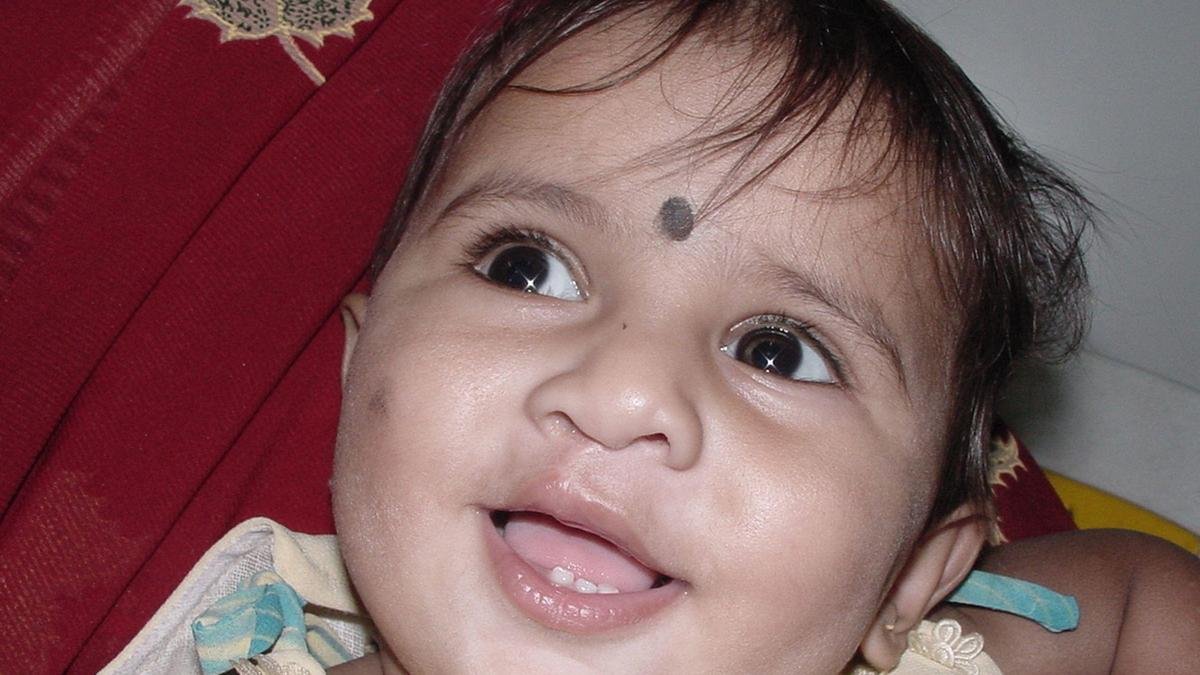
- Cleft lip and cleft palate are congenital facial birth defects that occur when parts of the upper lip or roof of the mouth do not fuse properly during pregnancy.
- Causes include genetic factors and maternal nutritional deficiencies.
- The condition leaves a visible gap in the lip and/or palate.
- It is not just a cosmetic problem.
- If untreated, it affects a child’s ability to:
- Feed and swallow properly
- Speak clearly
- Hear and breathe normally
- Independent estimates show that about 36,000 babies are born with cleft conditions every year in India, which means one in every 700 children is affected.
Why Cleft Care is a Serious Health Concern in India
- India has the highest number of cleft births globally, yet:
- There is no national epidemiological database on cleft lip and palate.
- Around 5 lakh children currently live with unrepaired clefts.
- Every year, there is a backlog of nearly 7,000 corrective surgeries.
- About 68% of affected children depend on government hospitals for diagnosis, but these hospitals often lack specialised facilities.
- According to the Institute for Health Metrics and Evaluation (2022):
- Children with cleft conditions in India are 5 times more likely to suffer from severe malnutrition.
- One-third of cleft-related malnutrition deaths can be prevented through timely surgery and proper nutrition.
- The Lancet Surgery Commission earlier estimated that 7% of orofacial clefts in India remain untreated, showing a long-standing care gap.
How Cleft Care is Currently Being Delivered?
- Role of NGOs
- Smile Train has supported over 7.5 lakh free cleft surgeries in India over the last 25 years, averaging 30,000 surgeries per year, the highest by any organisation.
- Other NGOs such as Mission Smile, Operation Smile, Transforming Cleft, and Healing Smile Foundation have together helped another 15 lakh children in the last 20 years.
- These NGOs:
- Partner with trained surgeons
- Cover surgical and treatment costs
- Provide training to local doctors
Limitations of the Current Model
- Most NGO-supported surgeries are done in urban private hospitals.
- Government hospitals lack trained specialists and infrastructure.
- Cleft services provided by public hospitals are fragmented and not recorded in national databases.
- India does not treat craniofacial anomalies as a notifiable disease, leading to poor documentation.
Why Cleft Conditions Remain Under-treated in India?
- Lack of awareness at the grassroots level
- High cost of surgery, which discourages poor families
- Poor counselling for parents after birth
- Rural-urban divide in access to surgery
- Social stigma and superstition, which delay treatment
- Children with untreated clefts often face:
- Bullying in school
- Poor communication skills
- Difficulty in employment and marriage
- Long-term psychological trauma and low self-confidence
Recent Policy Attention and Global Recognition
- The World Health Organization has recognised craniofacial anomalies under the Global Burden of Disease Framework.
- This influenced NITI Aayog to start discussions on birth defects.
- In August 2024, India observed National Birth Defect Awareness Month with a focus on early identification and management of clefts.
How Can the Problem Be Addressed?
- India records 5 crore births every year, and the National Family Health Survey (2022) shows 1.35 crore births occur in government hospitals, where early cleft care can begin.
- Key steps required:
- Recognise cleft deformity as a public health issue, not a cosmetic problem.
- Start screening at birth and plan surgery after three months of age.
- Strengthen government hospitals, where nearly 50% of births take place.
- Collaborate with Rashtriya Bal Swasthya Karyakram (RBSK) and ASHA workers for early detection and awareness.
- Provide financial incentives covering travel, surgery, hospital stay, and follow-up care such as speech therapy.
- Focus strongly on rural areas, where 8% of India’s population lives.
Implications
- Treating cleft care as a health issue can reduce child malnutrition and mortality.
- Early surgery improves speech, nutrition, education, and employment outcomes.
- Strengthening cleft care will also upgrade surgical infrastructure and workforce capacity in public hospitals.
- It can help break social stigma and improve inclusion.
Challenges and Way Forward
| Challenges | Way Forward |
| India does not have reliable national data on the number of children born with cleft lip or cleft palate. | The government should declare cleft lip and palate as a notifiable birth defect, so that every case is recorded and monitored at the national level. |
| Government hospitals lack specialised infrastructure and trained surgeons for cleft care | Government hospitals should be upgraded with specialised surgical facilities and doctors should be trained in cleft repair and post-operative care. |
| Children in rural areas have poor access to timely diagnosis and surgery. | The government should incentivise outreach programmes, mobile screening, and referral systems to ensure rural children receive timely treatment. |
| The high cost of surgery and follow-up treatment discourages poor families from seeking care. | Cleft surgeries should be fully publicly funded, with strong partnerships between government hospitals and experienced NGOs. |
| Social stigma, ignorance, and lack of awareness lead to delayed treatment and psychological trauma. | Awareness programmes should be conducted through ASHA workers, Anganwadi centres, and schools to promote early detection and reduce stigma. |
Conclusion
Cleft lip and palate are life-altering but fully treatable conditions. By recognising them as a public health priority, strengthening government hospitals, and partnering with NGOs, India can ensure that no child’s future is limited by a correctable birth defect.
| Ensure IAS Mains Question
Q. Why should cleft lip and cleft palate be treated as a public health issue in India? Discuss the challenges in cleft care delivery and suggest measures for improvement. (250 words) |
| Ensure IAS Prelims Question
Q. With reference to cleft lip and cleft palate in India, consider the following statements: 1. Cleft lip and cleft palate are only cosmetic conditions and do not affect nutrition or speech. 2. India has one of the highest numbers of cleft births globally. 3. Timely surgical treatment can prevent a significant share of cleft-related malnutrition deaths. Which of the statements are correct? a) 2 and 3 only b) 1 and 2 only c) 1 and 3 only d) 1, 2 and 3 Answer: a) 2 and 3 only Explanation: Statement 1 is incorrect: Cleft lip and cleft palate are not merely cosmetic conditions. They seriously affect feeding, swallowing, speech, hearing, and nutrition, and can lead to malnutrition and long-term health and psychological problems. Statement 2 is correct: India records the highest number of cleft births in the world, with about one in every 700 children born with cleft lip and/or cleft palate each year. Statement 3 is correct: Studies show that timely surgical correction combined with proper nutrition can prevent nearly one-third of malnutrition-related deaths among children with cleft conditions. |